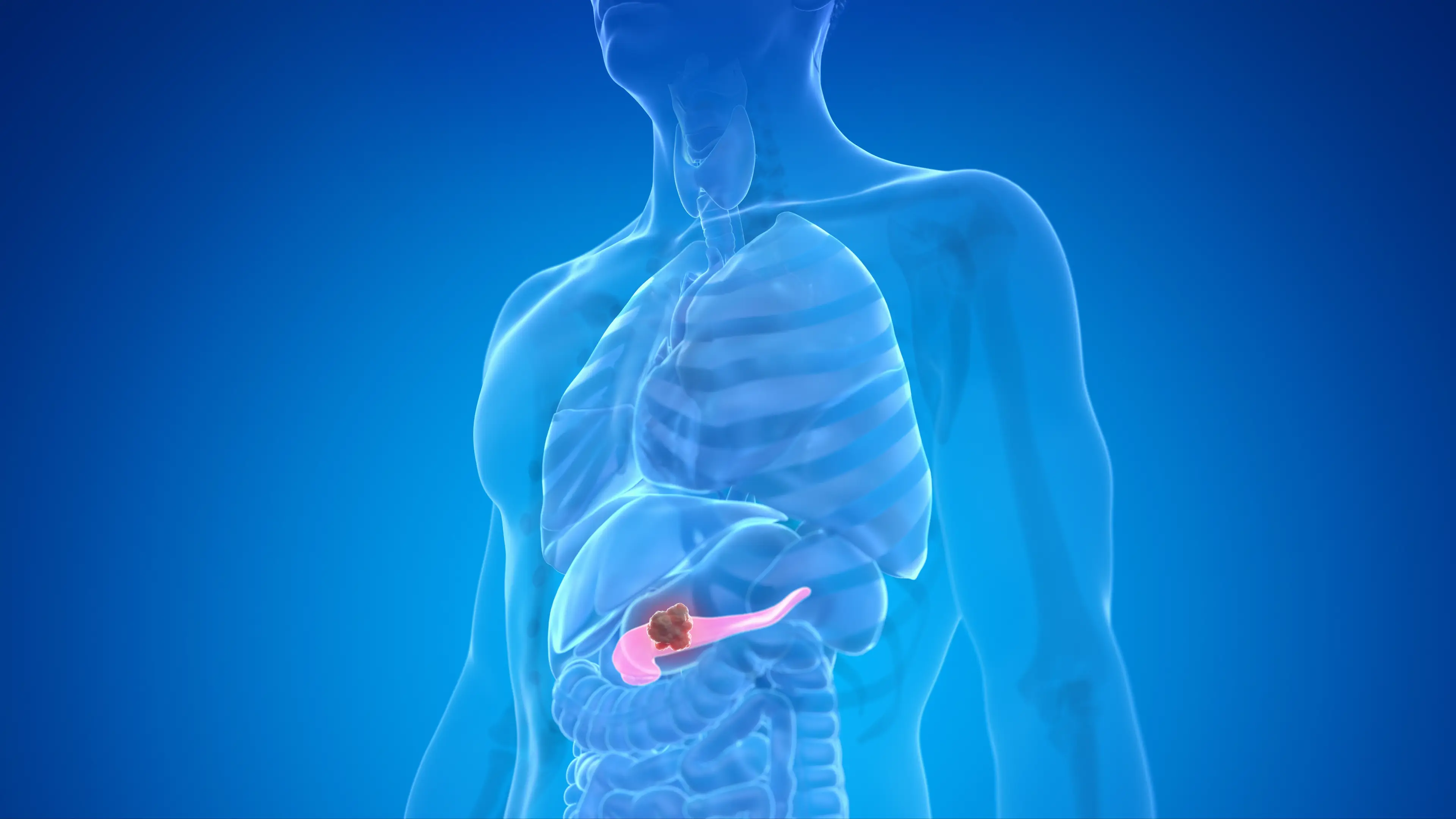
Scientists make huge breakthrough in finding cure for pancreatic cancer

A group of scientists may have just found a cure for one of the deadliest cancers, after achieving a 'permanent disappearance of pancreatic cancer' in a new study.
The team from the Spanish National Cancer Research Centre (CNIO) made the incredible breakthrough while managing to eradicate the disease in mice.
Pancreatic cancer claims the lives of more than 10,000 people each year in the UK alone, giving it one of the lowest survival rates of all common cancers.
Only around a quarter of people diagnosed live beyond a year from finding out they have pancreatic cancer, while only around 8 per cent live for a further five years, according to harrowing statistics from Pancreatic Cancer UK.
Advert
One of the biggest issues with the disease is that the symptoms are often dismissed as other conditions, or may not present at all until it is already too late.

Led by Mariano Barbacid, the team has now offered fresh hope to people worldwide after researching a new triple-drug therapy that has yielded very exciting results.
The findings were published in the Proceedings of the National Academy of Sciences (PNAS), revealing that the three drugs used in the trials were daraxonrasib, afatinib, and SD36, which are vital to providing resistance against the tumour.
When given to mice, the cocktail of drugs was not only able to target the pancreatic cancer tumour successfully, but they also showed no signs of relapse in the follow-up tests, which were conducted after treatment was complete. If these same results are to be seen in human trials, this will completely revolutionise cancer treatment.
One of the many reasons these results offer so much help is that pancreatic cancer is known for being particularly resistant to treatment; however, this new treatment targets three of the tumour's survival mechanisms at once, giving the disease fewer opportunities to 'rewire' itself to grow and spread.
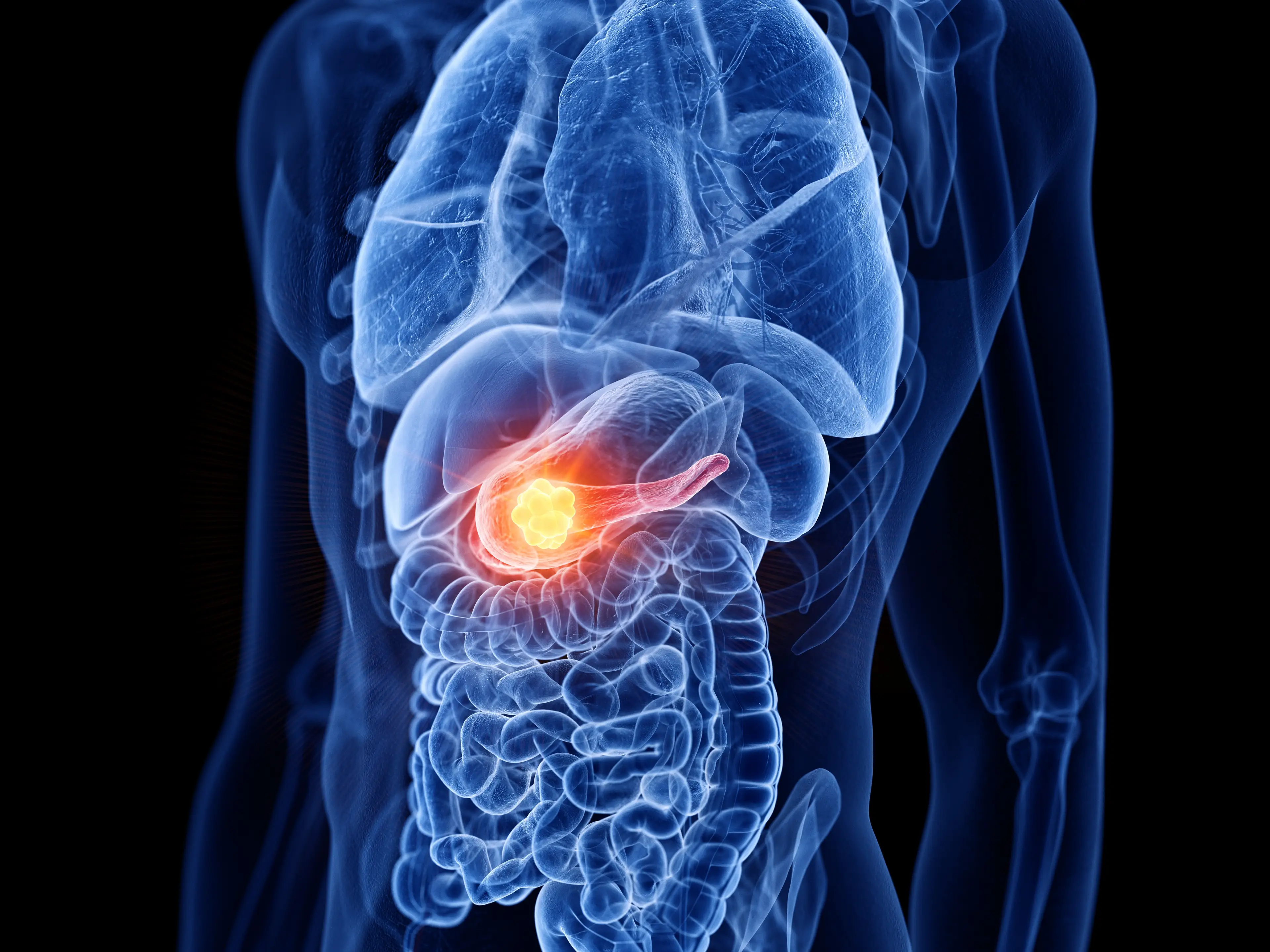
While the study says the 'triple combination is well tolerated in mice,' the future is even more promising as it 'opens the road to design novel combination therapies that may improve the survival of PDAC patients'.
As well as working towards a cure for pancreatic cancer, the study also opens the opportunity to test other triple-drug medications fight against other forms of cancer too.
"These studies open a path to designing new combination therapies that can improve survival for patients with pancreatic ductal adenocarcinoma [the most common pancreatic cancer]," the study's authors said in a statement. "These results point the way for developing new clinical trials."
However, Barbacid said that because of how groundbreaking these results are, they aren't 'yet in a position to carry out clinical trials with the triple therapy', but he added that it could 'open the doors' to new potential therapeutic options as further clinical trials are needed to observe if the same reaction would occur in humans.
 Emma Rosemurgey