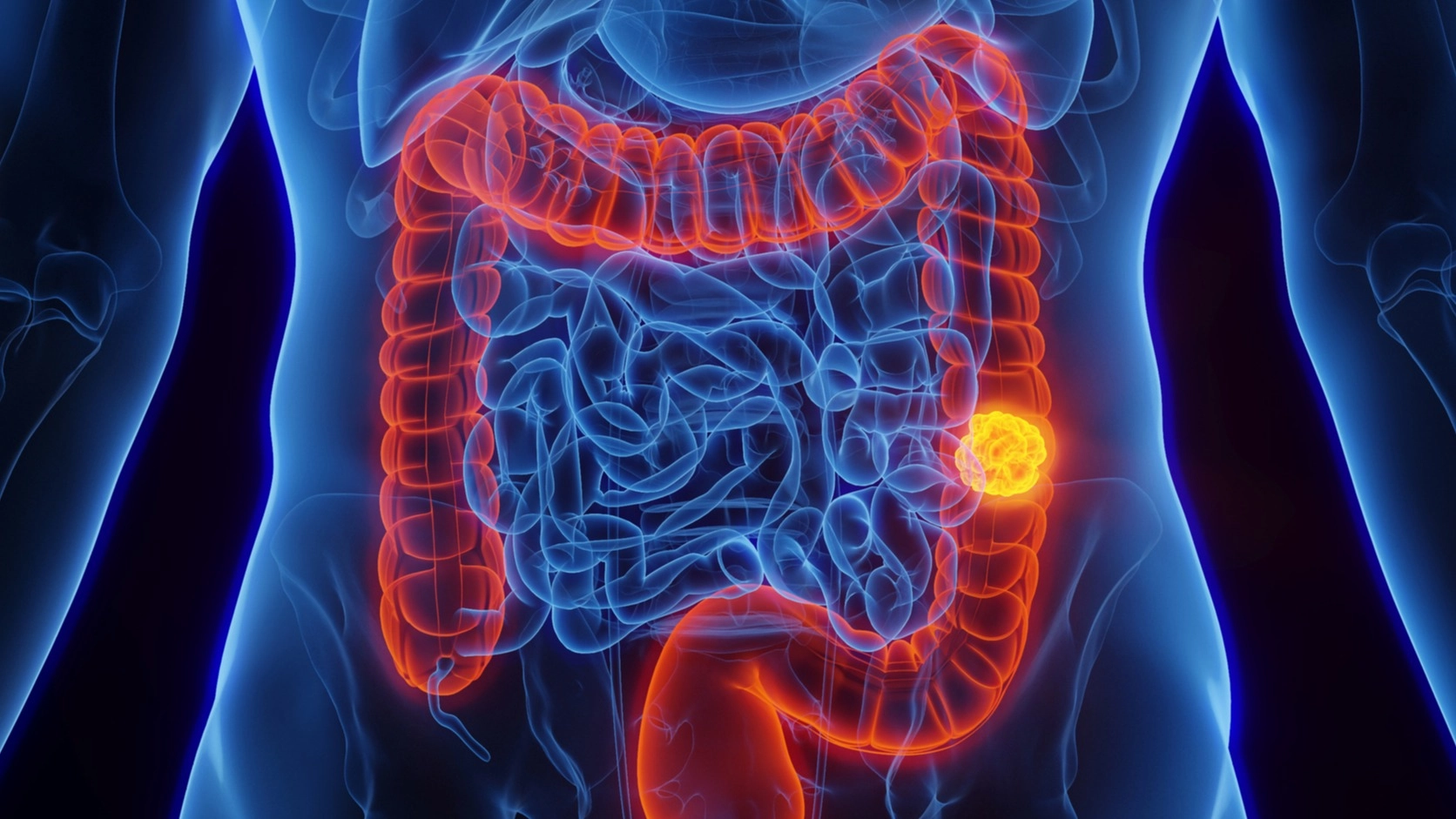
Researchers may have found new cause of colon cancer as cases rise in young people

Researchers in Denmark have made an 'interesting' discovery which may be linked with cases of colon cancer.
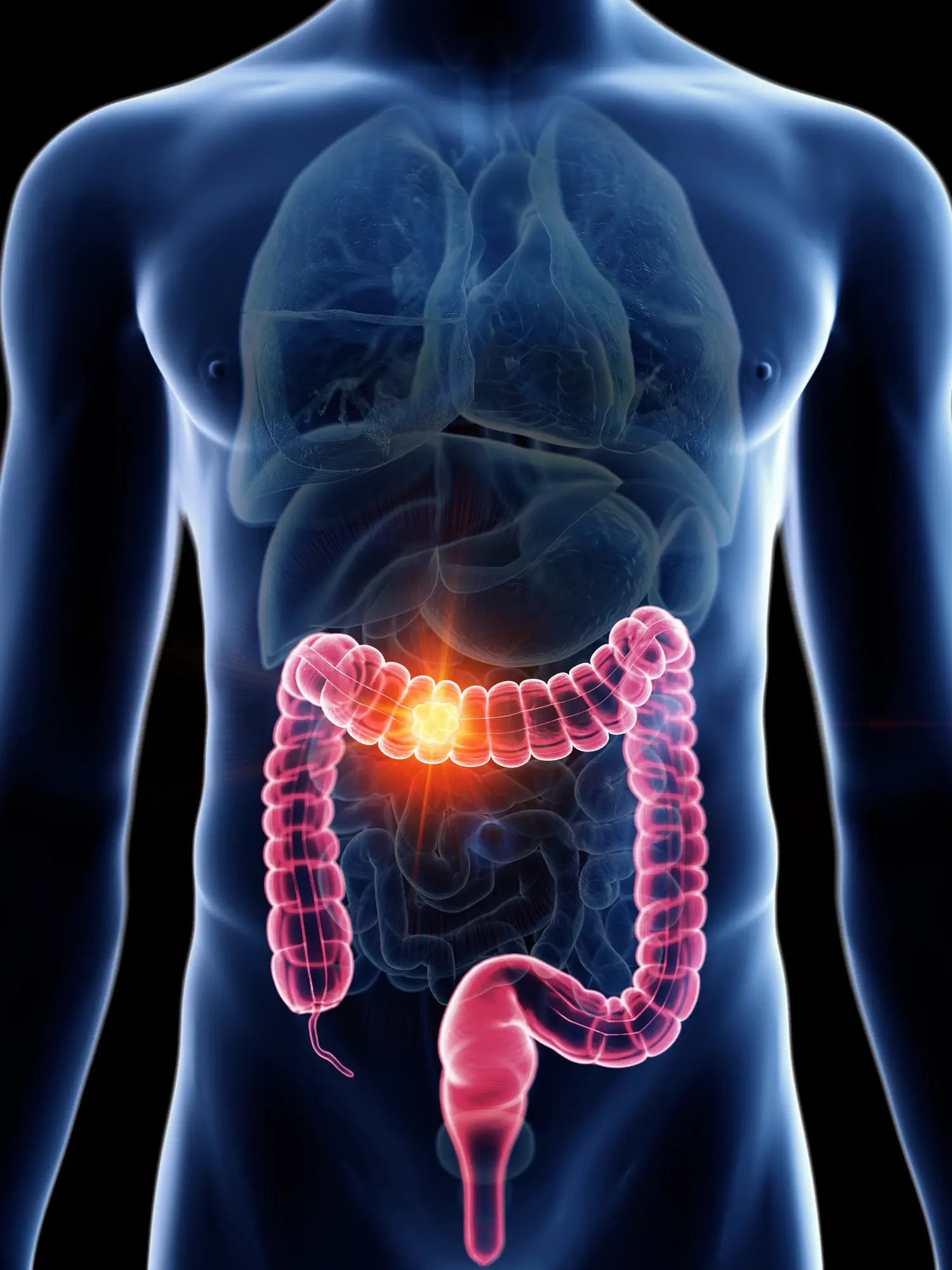
There are increasing concerns about a rise in cases of colon cancer - also described by the broader term bowel cancer - in young people, with statistics from Cancer Research UK suggesting that one in every 20 bowel cancer cases diagnosed in the UK are in people under 50.
Meanwhile, the American Cancer Society revealed it is the leading cause of cancer death for men under 50 and second for women.
With rising rates among young people and high profile deaths - most recently Dawson's Creek star James Van Der Beek - understanding why bowel cancer rates are rising is a priority for health experts.
Advert
And a new study from researchers in Denmark may have just found an association between colon cancer and a virus found in the gut.

A unique discovery
Joint research from University of Southern Denmark and Odense University Hospital analysed the gut bacteria of over 800 people, with half of participants having colon cancer, specifically around the bacterium Bacteroides fragilis.
The bacteria is found in both healthy patients and those with colon cancer, meaning that for years researchers were stumped as to how a strain of bacteria could be normal for some but associated with cancer in others.
"It has been a paradox that we repeatedly find the same bacterium in connection with colorectal cancer, while at the same time it is a completely normal part of the gut in healthy people," researcher Flemming Damgaard, medical doctor and PhD at the Department of Clinical Microbiology at Odense University Hospital and the University of Southern Denmark, said of the study.
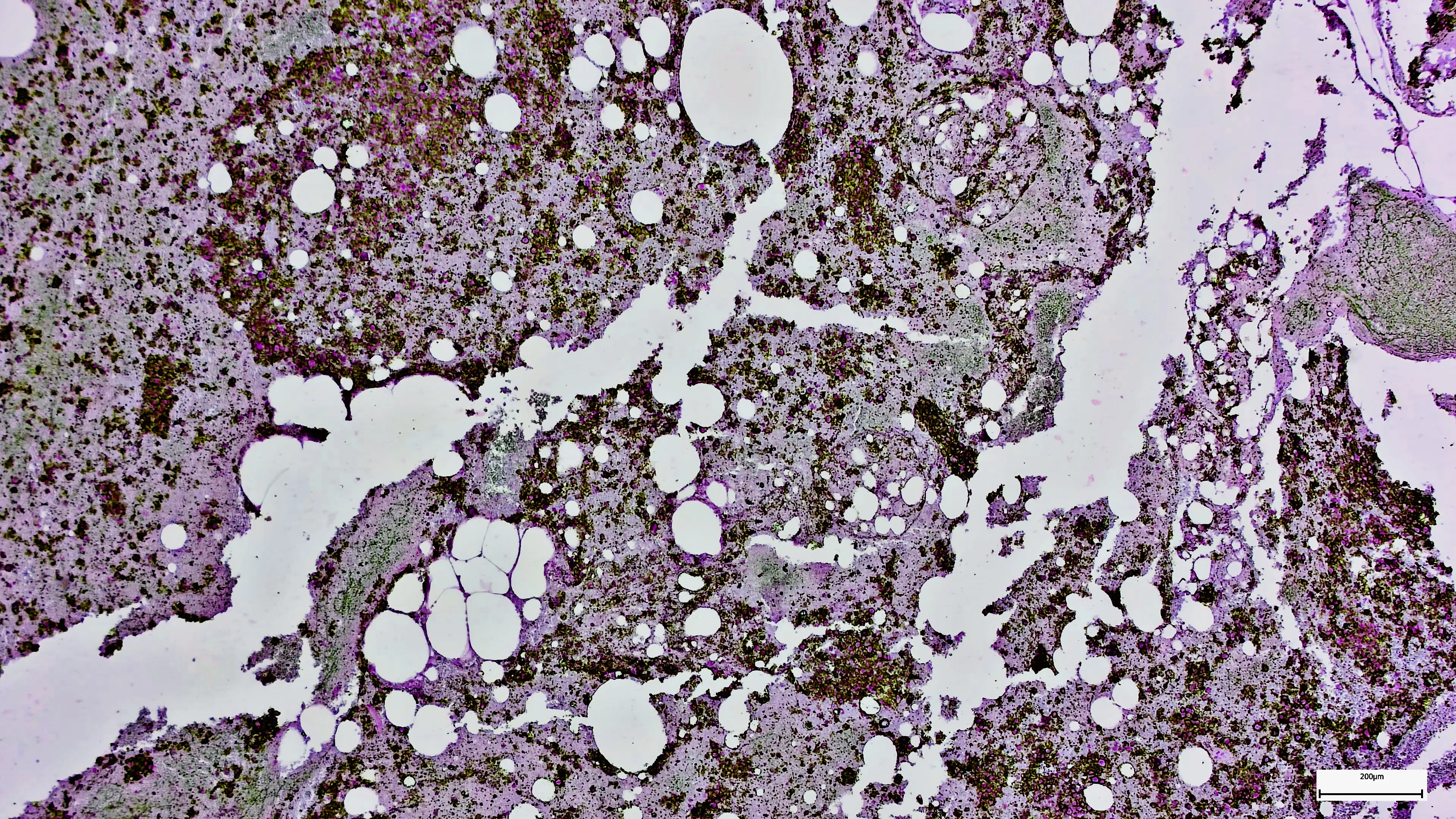
This led to researchers examining the bacteria itself for differences, finding a previously undescribed virus, named bacteriophage, inside the bacteria of colon cancer patients.
"We have discovered a virus that has not previously been described and which appears to be closely linked to the bacteria we find in patients with colorectal cancer," Damgaard continued.
"It is not just the bacterium itself that seems interesting. It is the bacterium in interaction with the virus it carries."
How could the results be used in the future?
As of now, colon cancer screening is partly achieved through a Faecal Immunochemical Test (FIT), which looks for hidden traces of blood in your poop.
However, the researchers believe that, in the future, it may be possible to test stool samples for the virus they identified.
This could lead to new methods for screening colon cancer, allowing more people to be treated.
However, Damgaard stressed that the virus and colon cancer rates were still a statistical association and that further research would be needed to determine whether or not there is a direct link between the two.
"We do not yet know whether the virus is a contributing cause, or whether it is simply a sign that something else in the gut has changed," he added.
What are the symptoms of colon cancer?
According to the NHS, symptoms may include:
· Changes in your pooing habits
· Bleeding from your bottom
· Feeling like you need to poo even if you've just been to the toilet
· Tummy pain
· A lump in your tummy
· Bloating
· Losing weight without trying
· Feeling very tired for no reason
A GP appointment is recommended is you experience the above symptoms.
If you’ve been affected by any of these issues and want to speak to someone in confidence, contact Macmillan’s Cancer Support Line on 0808 808 00 00, 8am–8pm seven days a week.
Topics: Bowel cancer, Cancer, Health, Science
 Brenna Cooper