Doctor issues warning over 'ticking time bomb' cancer risk millions are unaware of

A doctor has warned that a condition we often dismiss could be a 'ticking time bomb' which may lead to a form a cancer if left untreated.
Gut specialist Dr Wendi LeBrett said that one of the biggest hidden risks of causing cancer is acid reflux, which is a 'burning feeling in the chest caused by stomach acid travelling up towards the throat', according to the NHS.
"If it keeps happening, it may be called gastro-oesophageal reflux disease (GORD)," the health service warns.
Over on TikTok, Dr LeBrett explained why GERD can eventually lead to cancer.
Advert
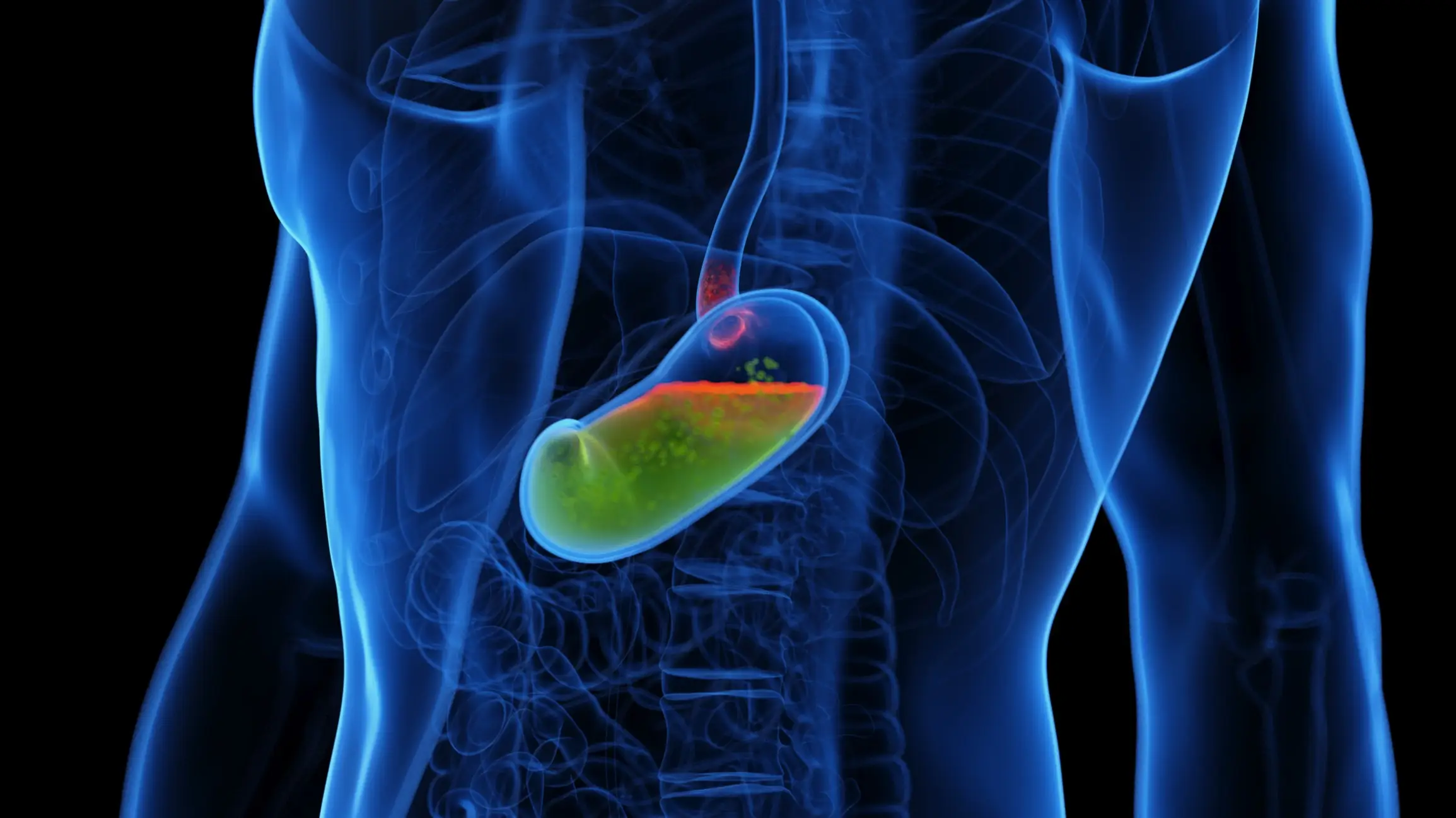
GERD happens when stomach acid repeatedly flows back into the oesophagus and irritates its lining.
Over many years, this constant acid exposure can damage the cells and cause a condition called Barrett’s oesophagus.

In Barrett’s oesophagus, the normal lining of the oesophagus is replaced with abnormal cells that are more likely to become cancerous.
"About 60 to 70 percent of people who have acid reflux have the typical symptom of heartburn — the burning sensation in your chest often after eating," the gastroenterologist said.
"That means around one in three do not have typical symptoms or know they have the condition."
Dr LeBrett advised people to watch for less obvious symptoms such as a chronic cough, particularly at night when reflux symptoms tend to worsen.
“Breathing problems can also be a symptom as the acid irritates the airways and can exacerbate conditions like asthma,” she said.
“Problems swallowing is also an atypical symptom.”
Symptoms of acid reflux
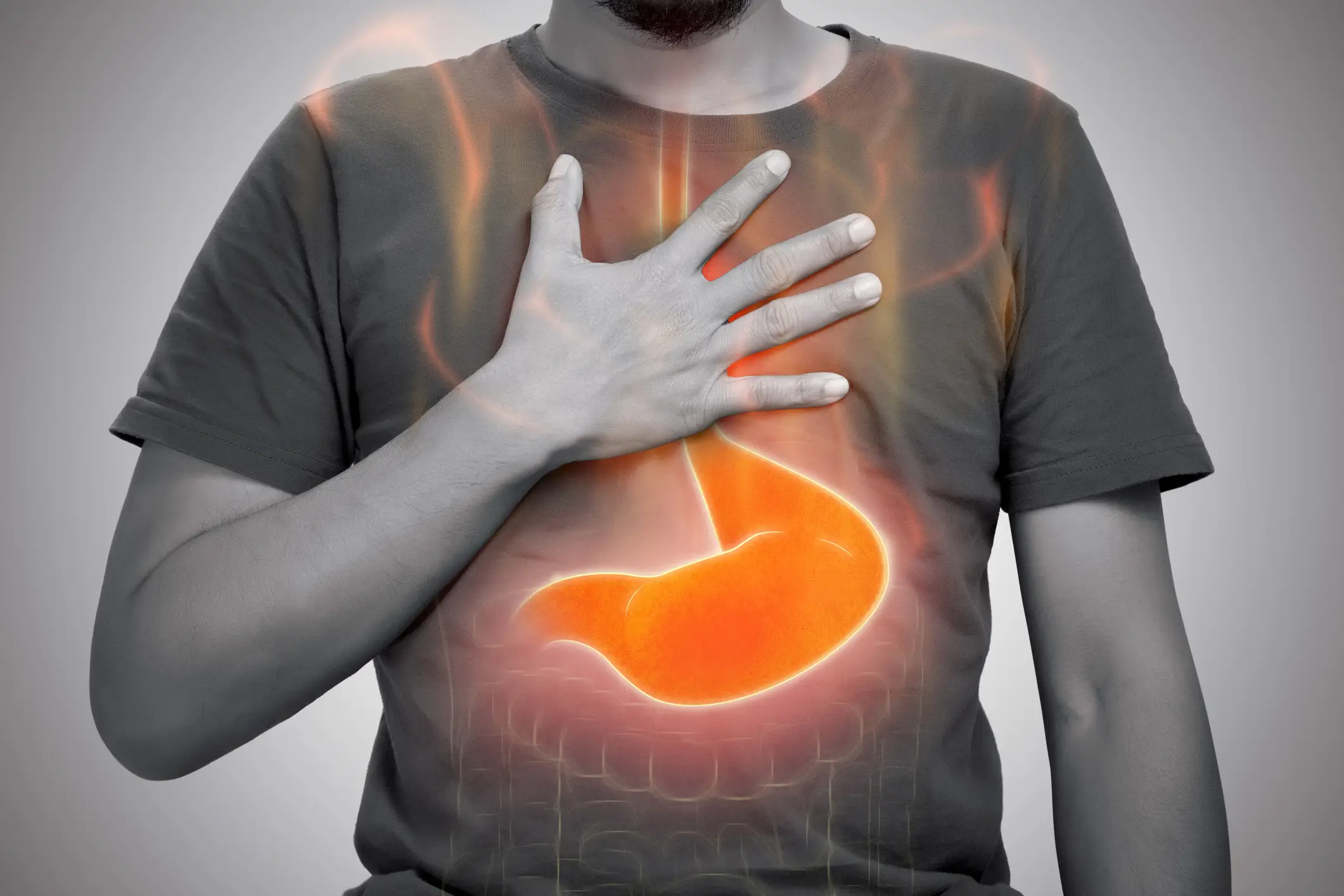
· heartburn – a burning sensation in the middle of your chest
· an unpleasant sour taste in your mouth, caused by stomach acid
· a cough or hiccups that keep coming back
· a hoarse voice
· bad breath
· bloating and feeling sick
There are many ways to limit heartburn, from losing excess weight, avoiding trigger foods and eating smaller meals to quitting smoking, limiting alcohol and eating well before bed.
The NHS suggests to go and see your local GP if 'lifestyle changes and pharmacy medicines are not helping your heartburn'.
Risk factors
Mayo Clinic has revealed seven risk factors that increase your risk of Barrett's esophagus:
· Family history - Your odds of having Barrett's esophagus increase if you have a family history of Barrett's esophagus or esophageal cancer.
· Being male - Men are far more likely to develop Barrett's esophagus.
· Being white - White people have a greater risk of the disease than do people of other races.
· Age - Barrett's esophagus can occur at any age but is more common in adults over 50.
· Chronic heartburn and acid reflux - Having GERD that doesn't get better when taking medications known as proton pump inhibitors or having GERD that requires regular medication can increase the risk of Barrett's esophagus.
· Smoking.
· Being overweight - Body fat around your abdomen further increases your risk.
Topics: Cancer, Bowel cancer, Health
 Anish Vij