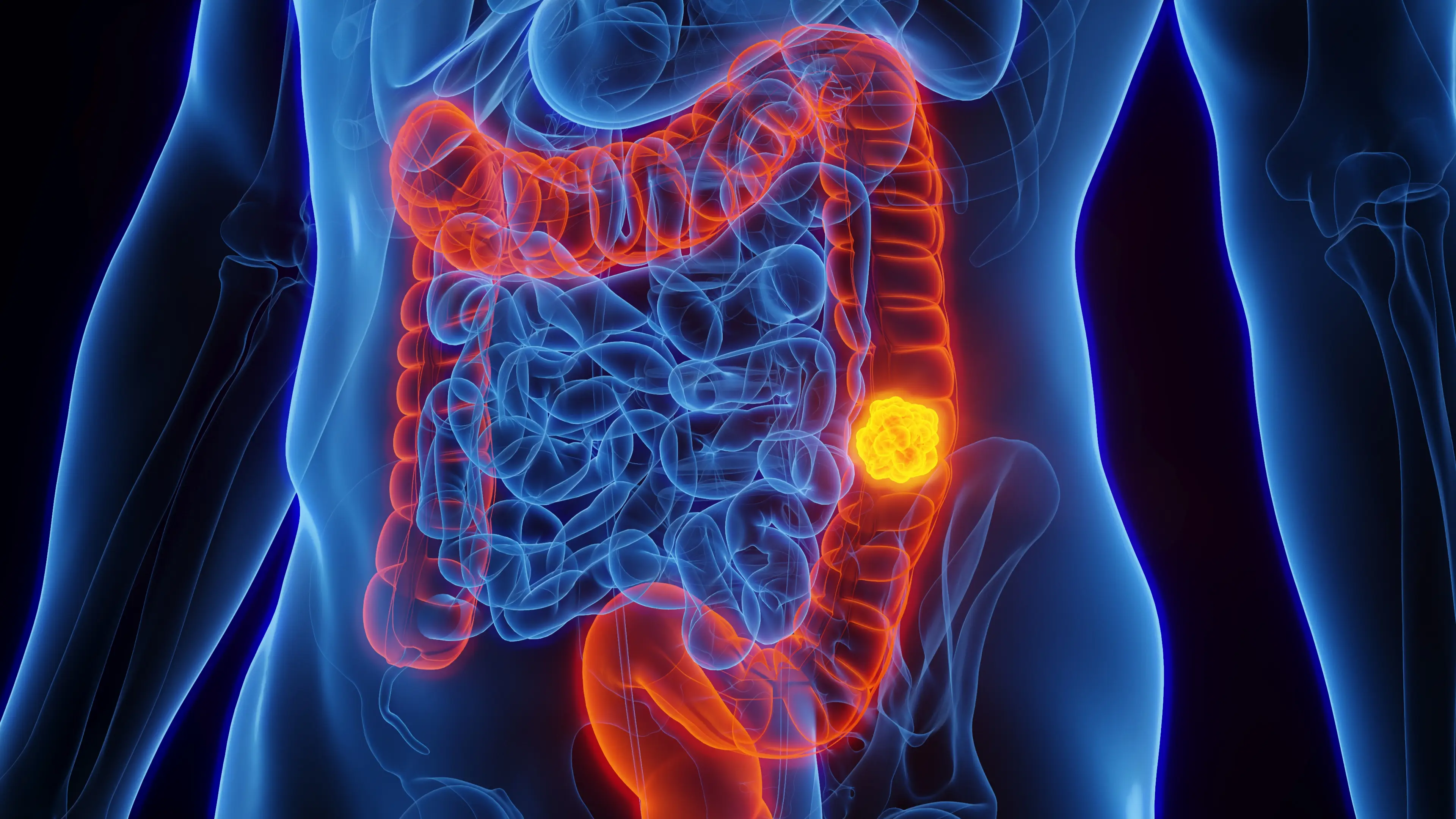
Key signs of 'alarming' cancer spiking in young people as doctor issues warning

Bodily changes happen to us all throughout life, for better and - unfortunately - for worse. Indeed, some of them can be early markers of a potentially deadly cancer.
In the UK, one specific cancer type is rapidly increasing in its rate in the under-50s age group, and scientists are trying to figure out why.
Mostly, they attribute it to our diet and lifestyle in the modern world.
Considering 44,000 people are diagnosed yearly, per Cancer Research UK, with that number having increased in recent years, it’s clear something is going on.
Advert
While it’s considered to be a relatively treatable cancer type, if you catch it early, its symptoms can be easily dismissed as irritable bowel syndrome, digestive troubles, or minor ailments.
However, once missed, it can rapidly get out of control and even cost you your life if you don’t recognise that something is seriously wrong.
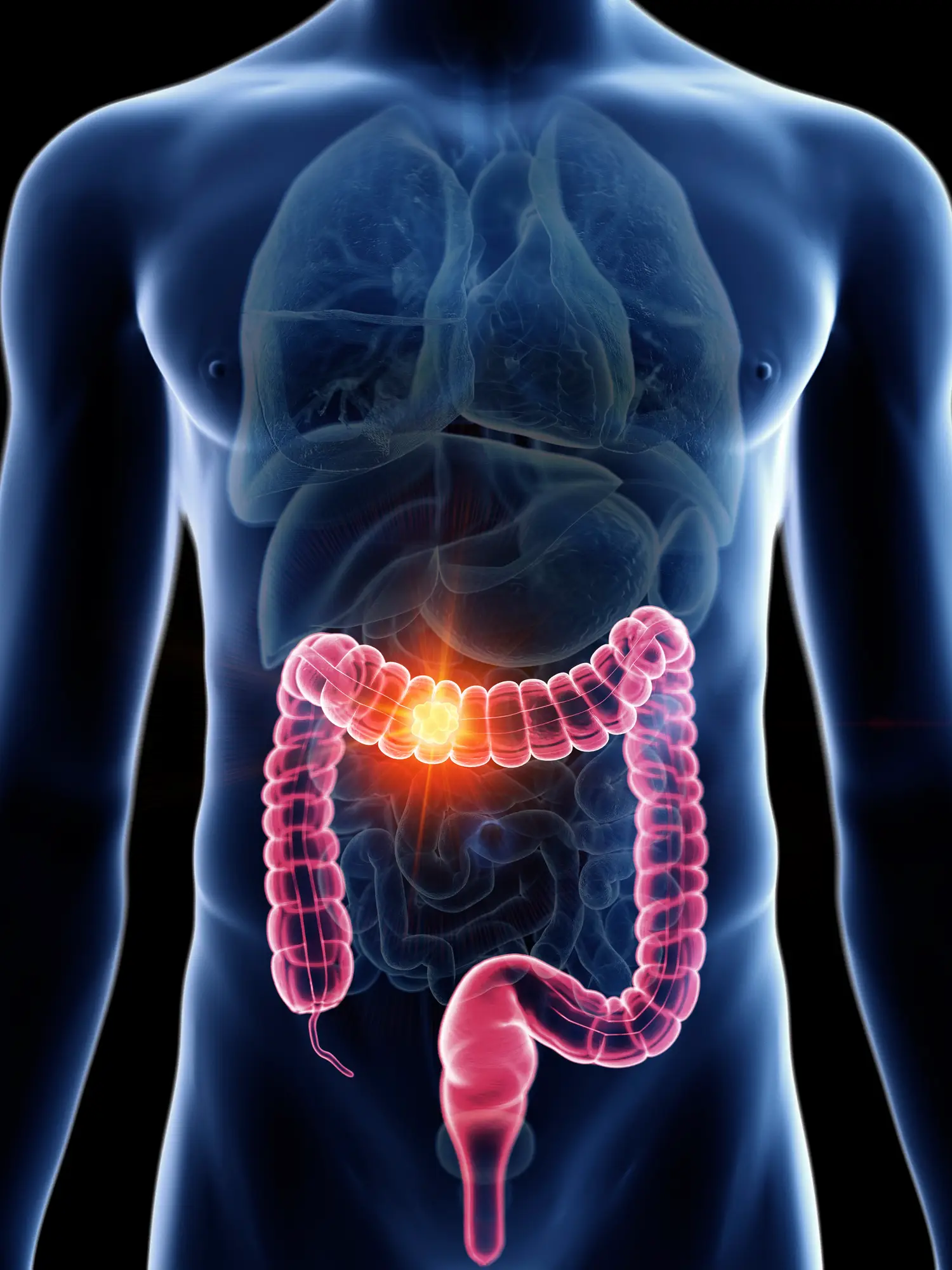
"We're seeing that it's on an upward trajectory and that's what's most concerning," Professor Sarah Berry, Chief Scientist at ZOE, revealed to the Manchester Evening News, while also sharing that she believes it’s due to ‘very poor diets’.
"There is a strong association between alcohol intake and early onset colorectal cancer," she explained. "There's also a strong association between obesity and early-onset colorectal cancer."
As for diets, red and processed meat, low-fibre diets, and sugar-sweetened beverages can contribute.
But it could also be environmental, too.

According to the NHS, symptoms of bowel cancer may include things like:
- Changes in your poo
- Needing to poo more or less often
- Blood in your poo
- Bleeding from your bum
- Feeling like you need to poo even if you've just been to the toilet
- Tummy pain
- A lump in your tummy
- Bloating
- Losing weight without trying
- Feeling very tired or short of breath
Researchers believe several exposures add to our risk, with Berry stating the aim of scientists researching the cause is to prevent or treat early-stage cancer.
"It might be that by looking at the bacteria in someone's poo in the future, we might be able to identify those that are more likely to go on and develop colorectal cancer," she said.
"If we can use that [data] to help us understand more about what is it's causing this alarming increase and then hopefully develop preventative strategies, it's really valuable that we try to leverage that," she says. "It might be that by looking at the bacteria in someone's poo in the future, we might be able to identify those that are more likely to go on and develop colorectal cancer."
Topics: Bowel cancer, Cancer, Health, UK News, NHS
 Britt Jones