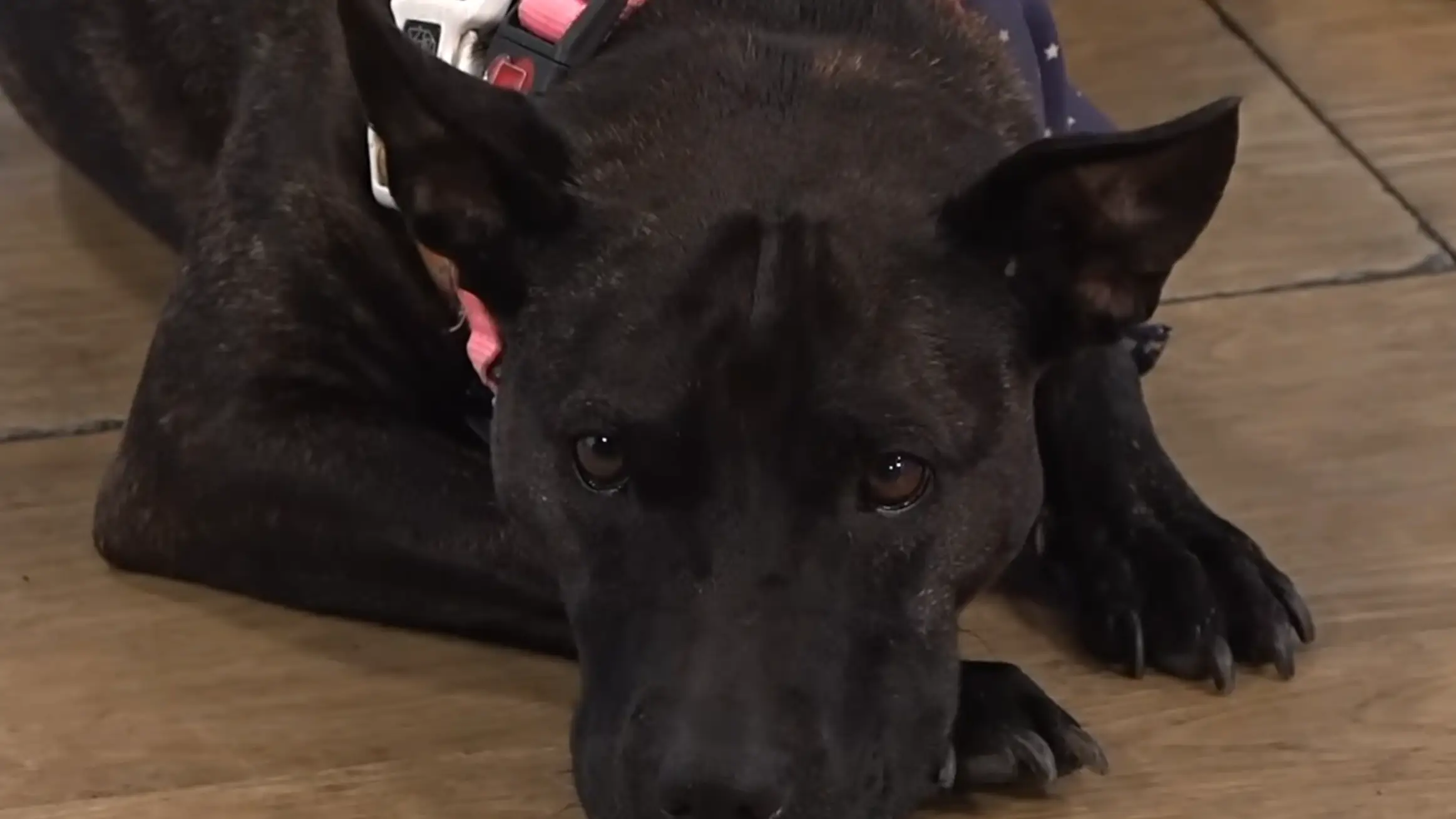
Man creates cancer vaccine for 'best mate' dog using ChatGPT

A man was able to create a personalised cancer vaccine for his dog, thanks to the use of AI.
When it comes to the topic of artificial intelligence and modern life, most of us are used to hearing stories about super computers stealing our jobs or causing immense damage to the environment – but what about a story which reveals the potential benefits of AI?
This is exactly what happened when an Australian man Paul Conyngham revealed he was able to sequence his dog's cancer and create a personalised vaccine which was able to target 75 percent of her illness.
The Sydney based tech entrepreneur revealed that his eight-year-old Staffy-Shar Pei cross, named Rose, had been diagnosed with incurable form of cell skin cancer and had just months to live.
Advert
Determined to do everything he could to help his pet pooch, Conyngham searched for a way to combat it.
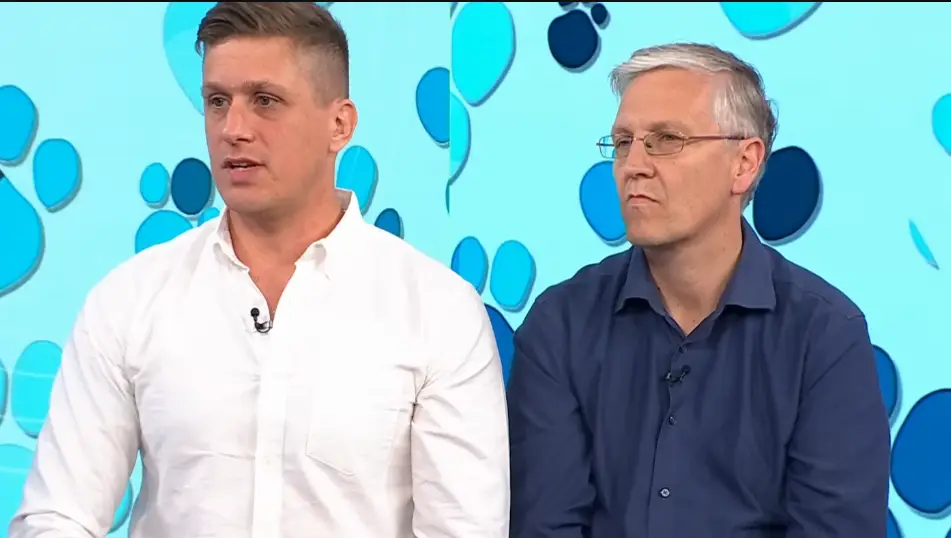
"Rose is my best mate and she's been with me through really tough times," Conyngham explained in a recent interview with Today Show Australia.
"When she was handed this sentence, I felt I had to do my part for her as well."
He decided to utilise his skills as an AI consultant and spent AUD$3000 having Rose's genome sequenced before reaching out to the genetics team at the University of New South Wales in order to pinpoint the cause of her cancer.
"We took her tumour, we sequenced the DNA, converted the tissue into data and then looked to find the problem in her DNA," he explained.
However the most extraordinary part of the story was that Conyngham relied on ChatGPT to assist throughout the search, with the vaccine being created from the code.
"Because of my background in AI, I was aware of AlphaFold, a machine learning technique that was created a few years ago," Conyngham previously told The Australian.
"I thought we could create a drug to block the cancer and that was the start of the journey."
From here, they worked to create a personalised mRNA vaccine which specifically targeted Rose's cancer.
"ChatGPT essentially gave me the steps to create a drug for her," he added.
He explained that although the vaccine wasn't a cure for Rose's cancer, it had extended her lifespan by a 'considerable' amount.
"At the start of December, her mobility was way down. She started to shut down and be a bit sad. Towards the end of January, she was jumping over a fence to chase a rabbit," he explained.
What does this mean for the future of cancer treatment?
Conyngham's dedication to treating Rose may very well be a sign of how cancer treatments for humans could develop in the coming years.
The mRNA vaccine vaccine given to Rose utilises a new type of cancer treatment known as immunotherapy, which works with the immune system to identify and attack cancer cells.
Speaking about the project with UNSW, Professor Pall Thordarson, director of the RNA Institute at UNSW, explained that by identifying tumour mutations means you can theoretically create a vaccine to help the immune system recognise and destroy the mutations.
He went on to add that such treatments could also help patients with neurodegenerative disorders, adding: "There have been some very large grants to explore new types of therapeutics for neurodegenerative diseases and psychiatric disorders.
"That's the next frontier in the RNA space."
Topics: Health, Cancer, Technology, Artificial Intelligence, AI
 Brenna Cooper