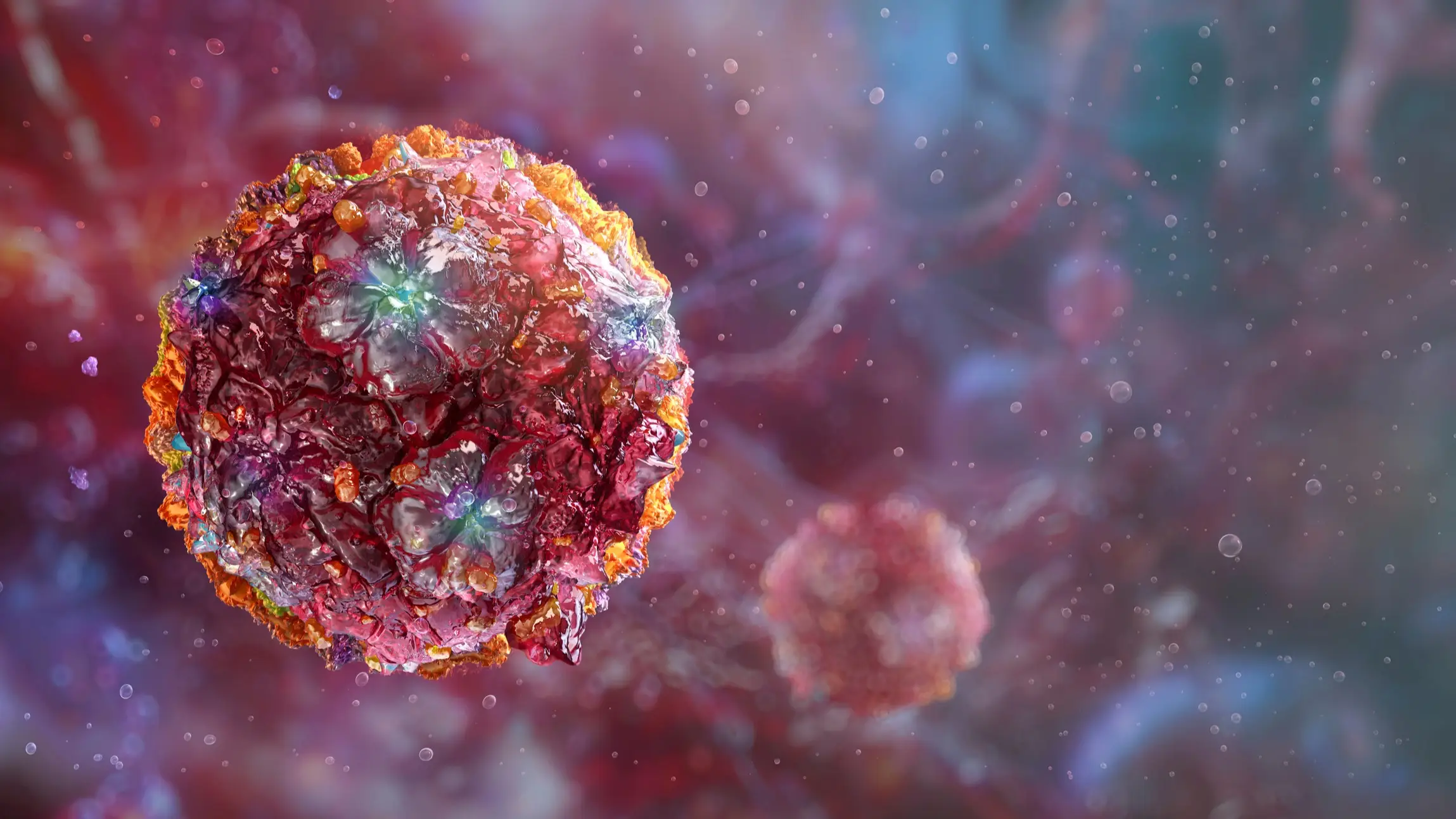
UK Government issues chikungunya virus warning to holidaymakers with three high risk groups named

The UK government has issued a new warning about chikungunya virus ahead of the holiday season – here's what you need to know.
Chikungunya is a virus spread to humans through bites from infected mosquitoes, causing fatigue, debilitating joint pain and muscle pain, headaches and nausea.
You may remember the name after an outbreak in the Chinese city of Foshan last August, with thousands of people reportedly becoming infected. However, the virus is also found across other parts of the world, chiefly the Americas, Africa and South/Southeast Asia.
Ahead of the warmer months, the UK Health Security Agency has recently reshared a warning for Brits planning to travel abroad.
Advert
Here's what you need to know.
How does chikungunya virus spread?
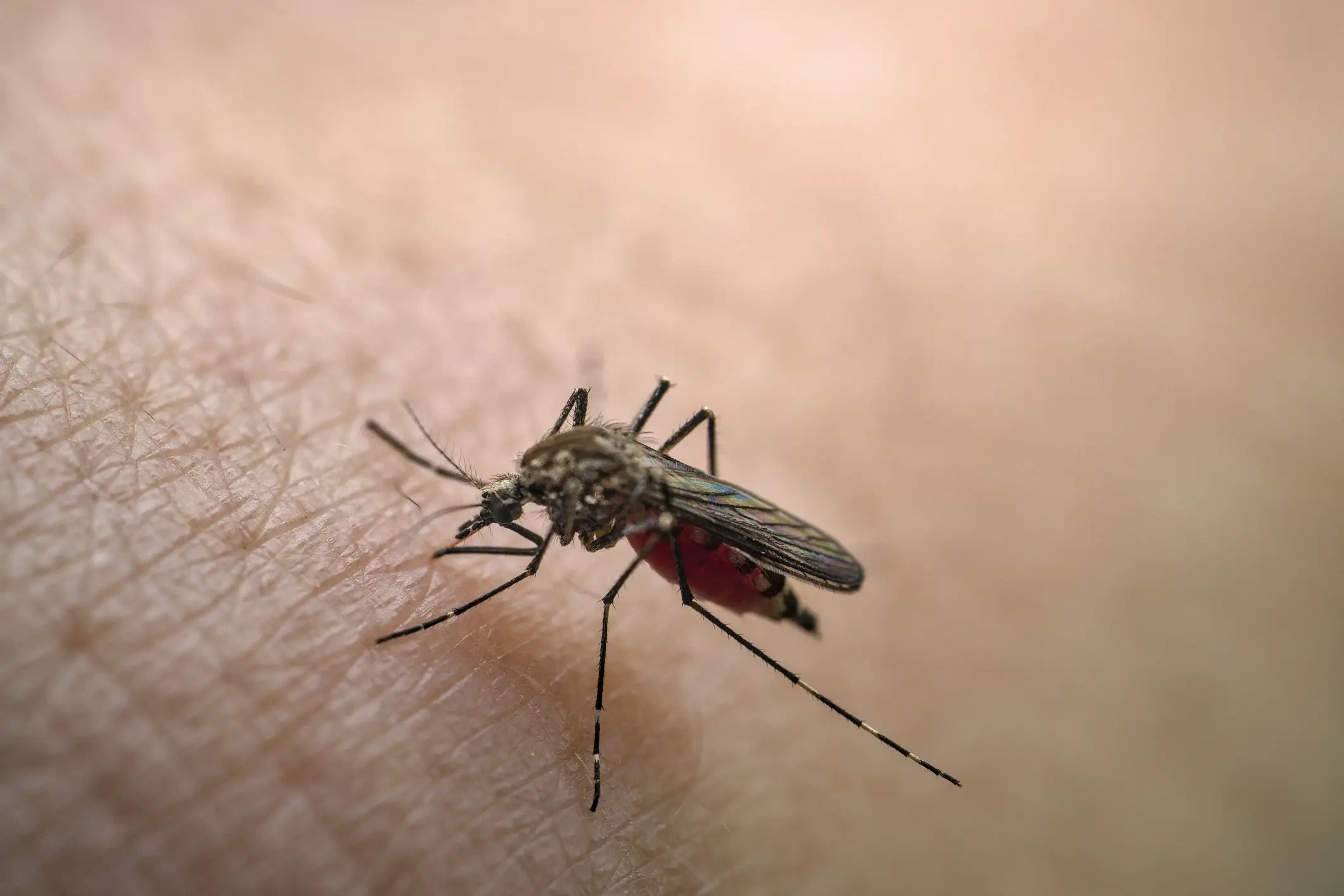
Chikungunya virus is spread through the bite of either Aedes albopictus or Aedes aegypti mosquitoes, which are also responsible for transmitting dengue and Zika viruses.
According to the World Health Organisation (WHO), these mosquitoes typically bite during daylight hours and can be found in towns and cities.
However, the virus cannot be spread through human-to-human transmission, meaning it's not possible for an infected person to return home and pass the virus on.
What is the latest UKHSA advice for chikungunya virus?
In a post shared on X earlier today, UKHSA North East wrote: "Chikungunya has become a concern for travellers to some international destinations.
"There is currently no onward transmission in the UK, but for those travelling to at-risk countries, our blog post offers the best advice on prevention and protection."
According to UKSHA, there were 112 confirmed cases of chikungunya in 2024, with the majority of cases coming from India. A smaller number of infections also came from Pakistan and Brazil, which the health body notes are all popular destinations for British nationals.

There is currently no targeted drug for chikungunya, however you can decrease your risk of being bitten by using insect repellents containing DEET.
While the health agency notes that most patients infected with chikungunya will recover within one to two weeks after falling ill, those in high-risk groups may experience more serious complications.
Complications include severe neurological pain and issues with the eyes, heart and digestive system.
Groups which are most at risk of developing complications from chikungunya virus are:
- Young babies
- Elderly people
- Adults with underlying health conditions
Are there vaccinations for the chikungunya virus?
There are currently two vaccinations available in the UK for chikungunya virus. These are: Ixchiq and Vimkunya.
Vaccinations should be considered by travellers visiting regions with significant outbreaks and can be obtained through private pharmacies, costing £185 to £195.
Topics: Health, UK News, Chikungunya virus
 Brenna Cooper