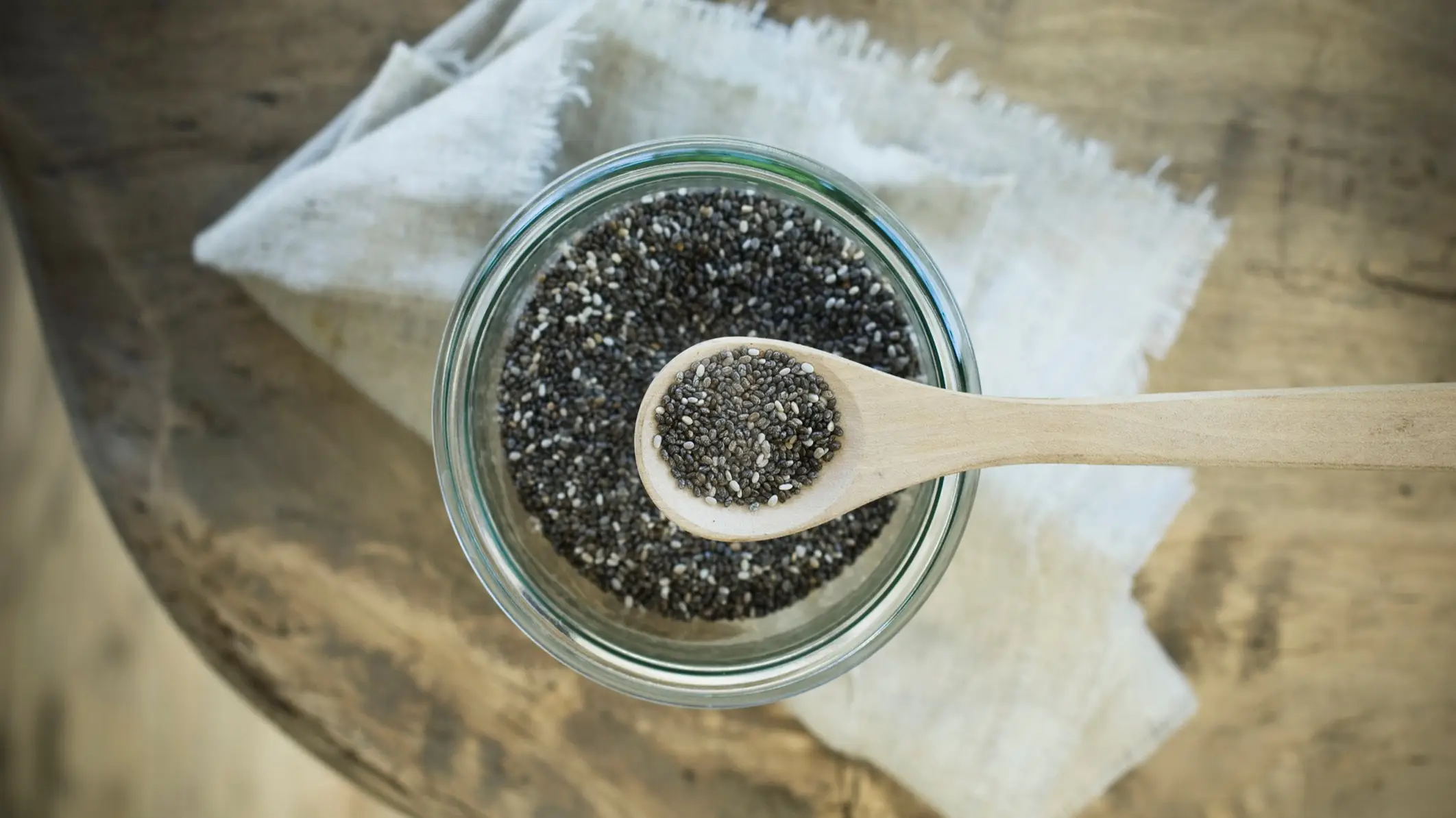
Doctor explains whether you should eat chia seeds after warning issued over 'superfood'

A doctor has revealed the ways which chia seeds can - and cannot - be beneficial to your health.
Whether it's on the top of granola, in overnight oats or mixed with water and lemon to create an 'internal shower', you can't deny that chia seeds are everywhere nowadays.
Derived from the plant Salvia hispanica, these tiny seeds are packed with all the good stuff such as fibre, protein, omega-3 fatty acids. Basically all the good stuff which nutritionists regularly bang on about.
The benefits have led to an increase in popularity, a fad which has led to health experts warning about how to introduce them to your diet correctly – unless you want to end up with a stodgy blockage in your food pipe.
Advert
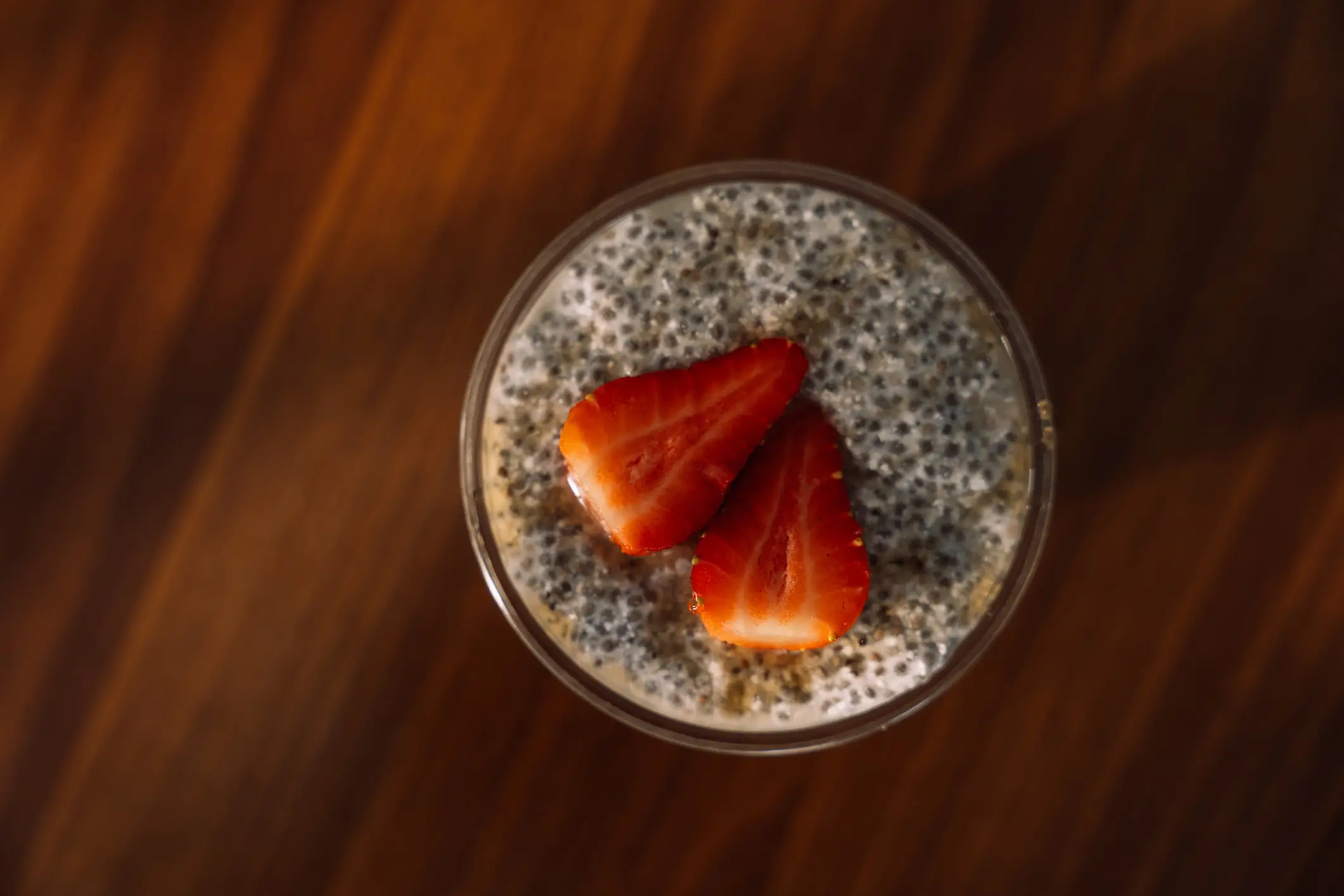
So with that in mind, what are the real benefits of adding chia seeds to your daily diet?
In a post aimed at doing some myth busting around the topic, gastroenterologist Dr Saurabh Sethi shared a video outlining what chia seeds can and can't do.
Health benefits associated with chia seeds
Dr Sethi explained that chia seeds can be helpful with supporting your gut health and aiding with constipation, due to the fibre content aiding digestion.
The high fibre and protein content - chia seeds contain around five grams of protein per tablespoon - can also be beneficial in helping some people lose weight, as including soaked seeds in your diet can help people feel full for longer, a claim which is backed up by research from Harvard Health.
Consuming chia seeds soaked in water can also aid in keeping the body hydrated as well aiding digestion, as the tiny seeds can absorb up to 12 times their original weight in water.
Add in the fact that they contain omega-3, have the ability of limit blood sugar spikes and lower the triglycerides, a type of fat in the blood, in your body.
So how many tablespoons of chia should you be adding into your diet each day?
"One to two tablespoons a day, soaked with enough water," Dr Sethi added.
While they may be considered a 'superfood', it's important to note that chia seeds can't do everything, with Dr Sethi warning there is no link between chia seeds and improving either fertility or depression - which seemed like bold claim to begin with.
The doctor also noted that consuming large amounts of dry chia can also cause bloating. Remember the man with a gel-like substance in his food pipe I mentioned earlier? That's from consuming large amounts on unsoaked chia.
Outlining the how eating dry chia seeds can be less than beneficial for your body, Dr Keith Ayoob told National Geographic: "They’re going to swell up somewhere down the gastrointestinal tract."
So before you load up on your chia seeds, make sure you soak them first.
Topics: Food And Drink, Health, Lifestyle
 Brenna Cooper