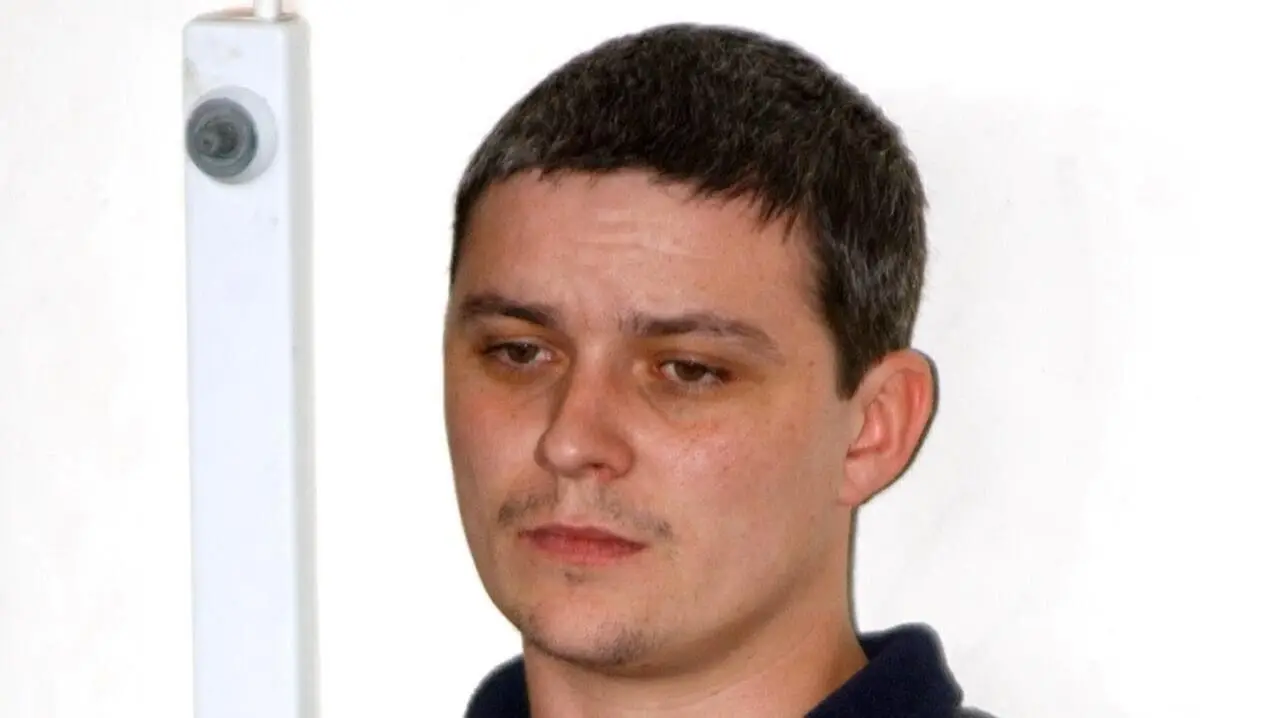
Nurses explain how they look after depraved criminals as Ian Huntley remains in serious condition

Nurses who've treated prisoners reveal how they're able to separate a patient from the crimes they've committed.
Yesterday (26 February), it was revealed that Soham murderer Ian Huntley was 'fighting for his life' after being attacked by other inmates at HMP Frankland in County Durham.
The 52-year-old former school caretaker is serving a 40-year sentence for murdering 10-year-old friends Holly Wells and Jessica Chapman at his home in August 2002, a case which led to a major overhaul in child protection legislation.
An update on Huntley's condition shared by The Sun revealed the convicted child killer had been beaten with a pole in his cell and that it is 'touch and go' for him.
Advert
A man in his mid-40s is currently being investigated in relation to the incident.
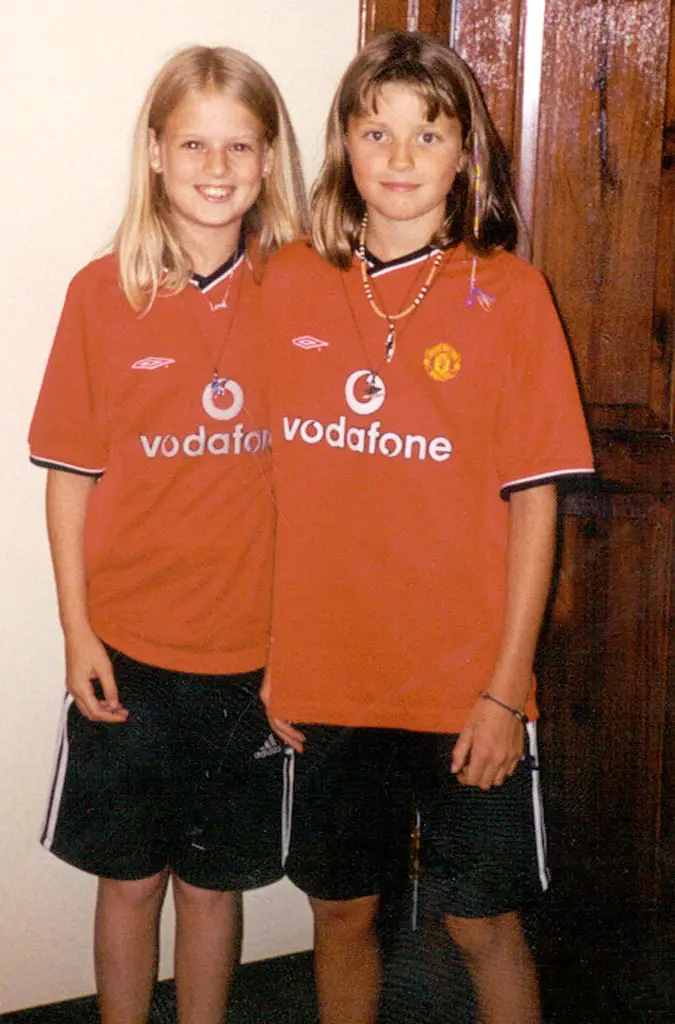
Meanwhile, an update from Durham Constabulary revealed that he remained in hospital in 'a serious condition'.
This isn't the first time Huntley has been attacked, as in 2005, he was scalded with boiling water while at HMP Wakefield, leading to his move to Frankland, according to the BBC.
Then, in 2010, he was cut across the throat by a prisoner who was said to have a razor blade. Huntley then attempted to claim £100,000 in damages for his injuries; however, Justice Secretary Jack Straw said at the time that the government had 'absolutely no intention' of paying.
Huntley's case has reignited interest in how healthcare professionals care for convicted criminals, with a Reddit thread discussing the topic resurfacing online.
Referencing NMC guidelines, which require nurses to treat patients with 'kindness, respect, and compassion', the original poster questioned if it's ever difficult to provide care for people who've committed crimes.
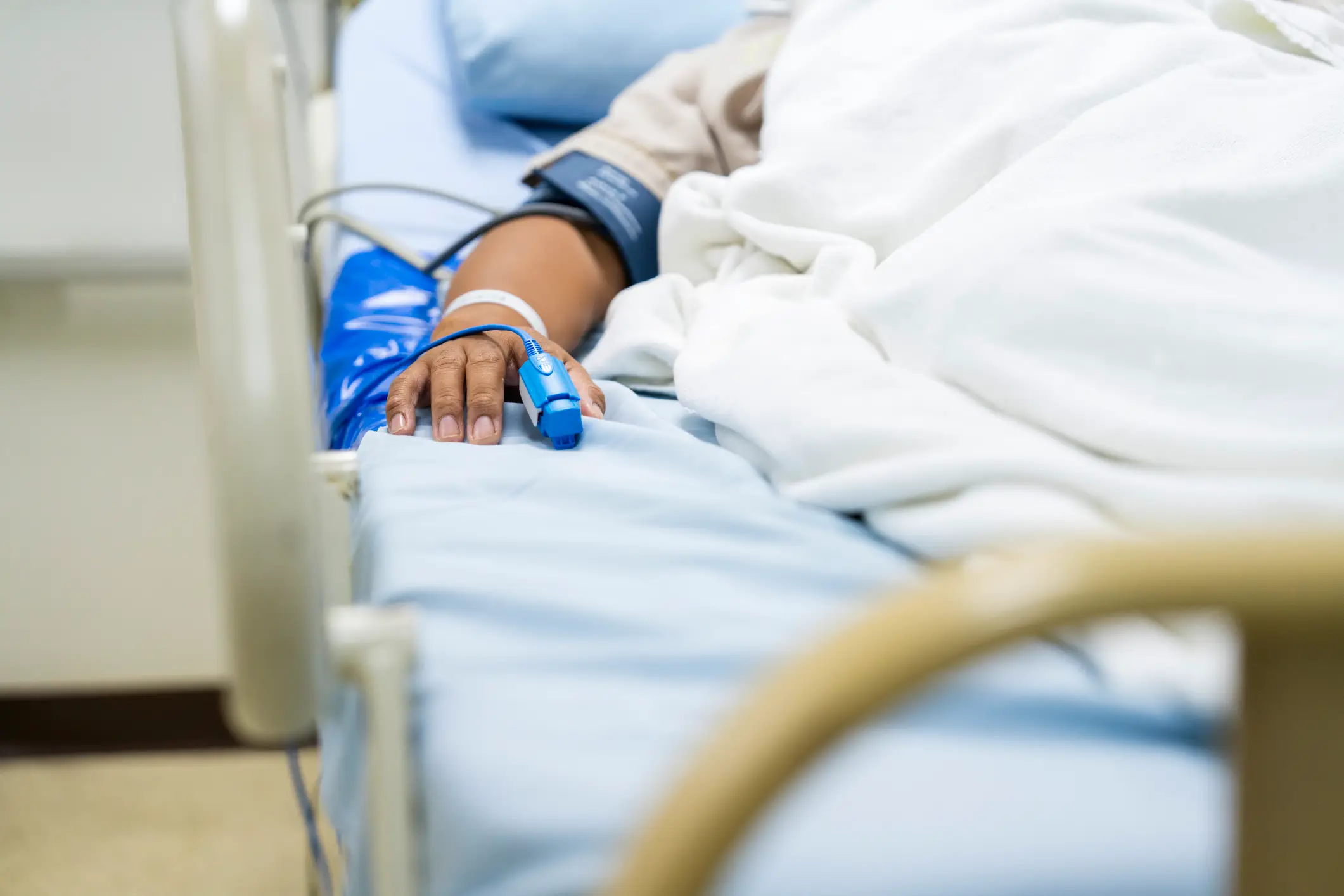
How do nurses feel about having to provide care to a convicted criminal?
The overwhelming majority of the responses from doctors, nurses and paramedics in the responses emphasised the importance of remaining professional in such situations, with one person writing: "They are a patient in front of me requiring medical and nursing care. Simple as that.
"Some of the inmates share their stories, some don’t. I never ask. It’s not my place to judge; they’ve already been judged by a jury of their peers and they are paying their debt to society."
"I treat prisoners the same as any other patient. I’m there to provide care, not punishment," added a second person.
Meanwhile, others revealed that they make sure never to enquire about a prisoner's crimes in order to make sure it doesn't prejudice their caregiving.
"I don't wanna know. I try to keep myself as ignorant as possible about their crimes. I'm human too and have my biases," a third person summarised their job responsibilities, while a fourth noted: "I refuse to look up what a prisoner has done because I feel like it’d create bias in my care."
"I never ever look up what they did. I remain ignorant. That’s how I take care of them," added a fifth. "If they act up, the guards are there."
A similar discussion on r/NursingUK also highlighted the importance of compartmentalisation when treating convicted prisoners. "Retired Paramedic here. I have treated murderers (1 killed his wife and 2 toddlers), I always went into 'professional mode' and treated them as any other person who needs appropriate treatment," read one response.
"Robust clinical supervision is absolutely essential when working with this client group," added a second user.
However, not everyone in the thread was able to detach their emotions so easily, with a third user writing: "I once nursed a convicted paedophile. I spoke to him as necessary, eg 'have you any pain' etc, but nothing more.
"I tried not to make eye contact much. I was there when he died, I felt nothing."
 Brenna Cooper