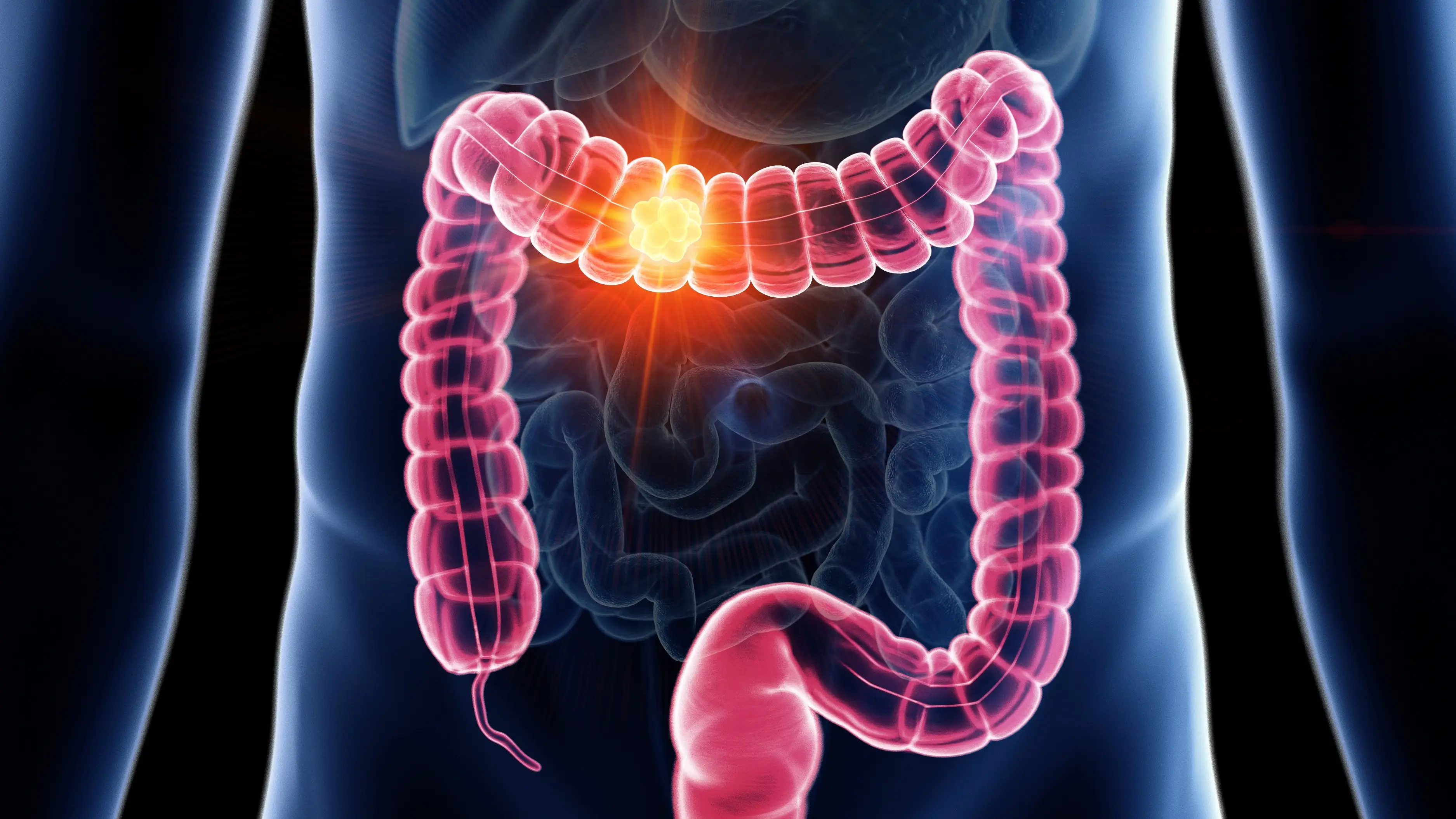
Scientists believe one lifestyle choice is causing the 'alarming' rise of colon cancer in under 50s

A study has suggested that a certain everyday choice is causing an increase in a type of cancer among young people.
Experts have explained why people in the UK are at risk, bringing attention to the worrying increase in cases of a hard-to-spot cancer.
The study, which was carried out by The Lancet in 2024, highlights that early-onset colorectal cancer is rising in people under the age of 50 in particular.
Using population data until 2017, it found that the health condition kills 17,000 people in the UK every year. Its findings also highlight that we must change some aspects of our lifestyle to avoid the risk.
Advert
The data showed that 'cancer incidence rates' are on an upward trajectory in 27 of 50 countries and territories selected, noting that the rise was 'either exclusive to early-onset disease or faster than the increase in older adults in 20 of the 27 countries'.

England had one of the 'steepest inclines' in early cancer cases at 3.6 per cent, only behind Chile (4 per cent), New Zealand (under 4 per cent), and Puerto Rico (3.8 per cent).
Increases were found in Canada and Germany, with scientists behind the study highlighting the importance of finding the factors behind these trends to increase awareness of the problem.
What factor is causing the rise in colorectal cancer?
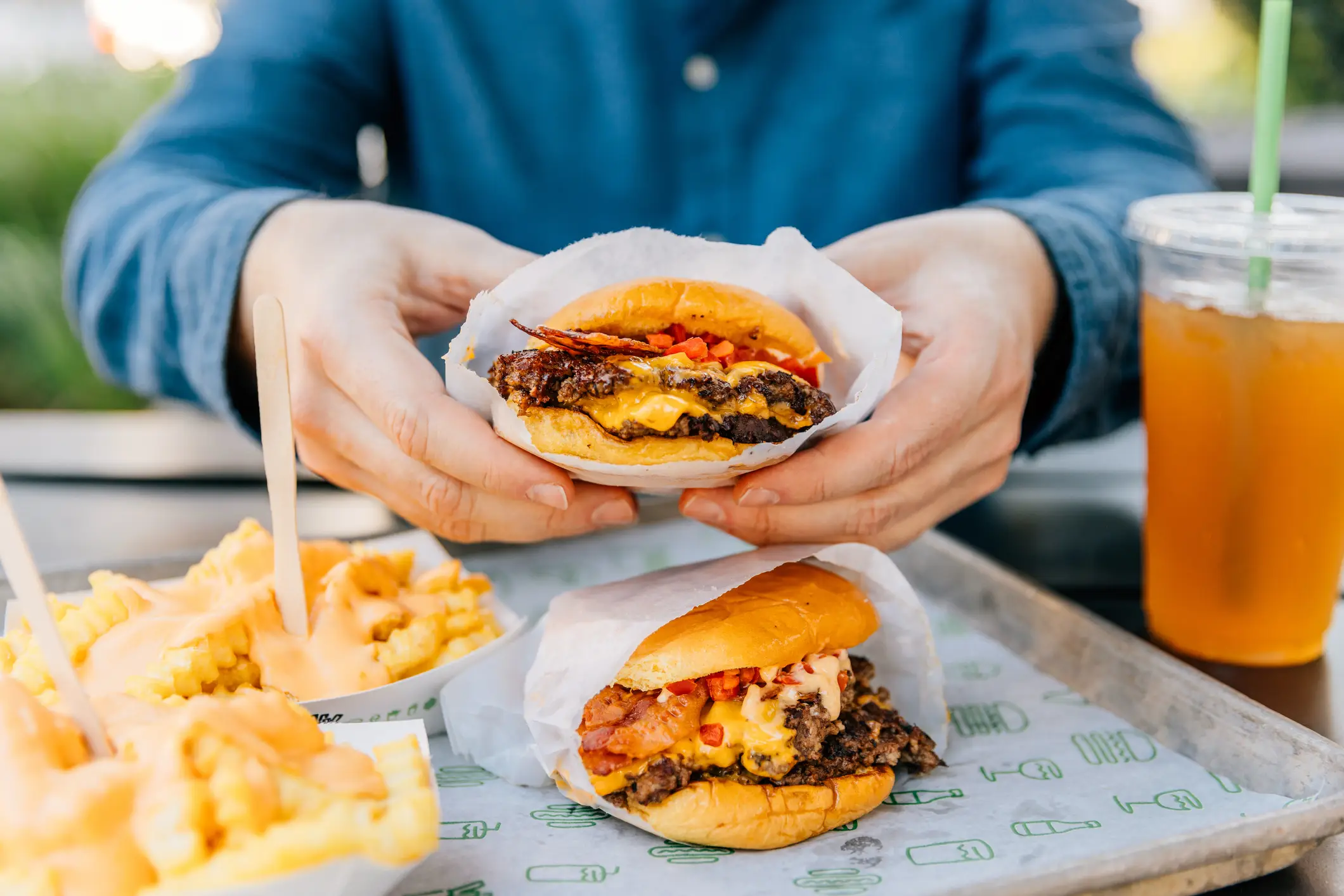
According to the American Cancer Society, which led the study, it's all to do with the Western diet.
They say that the rise is spreading to areas where companies responsible for making junk food are expanding, such as less-wealthy areas.
It's all to do with ultra-processed foods, as this has been linked with colorectal cancer among other health issues.
The study highlights that this is the ‘third most commonly diagnosed cancer and the second leading cause of cancer death, responsible for more than 1·9 million new cases and almost 904 000 deaths in 2022 worldwide’.
In 2026, the American Cancer Society conducted another study, which showed that colon and rectum cancers had surpassed other types of cancer, like liver and breast cancer, as the leading cause of cancer-related deaths.
Dr Marios Giannakis, an oncologist at Dana-Farber Gastrointestinal Cancer Center, said: “The rise in early-onset colorectal cancer did appear to start in Western societies and lifestyles, and I believe that what we’re seeing now around the world is a reflection of these lifestyles, which have become more prevalent worldwide.”
Other factors may play a part too, such as exercising and smoking, as one of the study authors, Hyuna Sung, explained: “When the environment we live in reduces the opportunities for exercise, the physical activity levels would be lower in industrialised environments compared to pre-industrial environments where people have to work and grow their food.”
They added that the food environments 'come with economic wealth', which also plays its part in the increase.
How can you minimise your risk of colorectal cancer?
Sung pointed out that these findings should be looked at as an 'opportunity for us to learn how we can improve our overall health', adding that the issues go beyond cancer.
"If you change your behaviours to be more healthy, that will change and reduce your risk of other diseases, such as hypertension, diabetes and obesity, in the future," the scientist said.
Signs of colorectal cancer
According to the NHS, you should look out for changes in your poo, such as consistency and constipation, and for blood in your stool, which is also a telltale sign.
Needing to go to the toilet more frequently is also a symptom of the cancer.
Inexplicable weight loss or feeling more fatigued than normal with no explanation could also be a reason to see your GP.
If any of these symptoms persist for three weeks or more, you should seek medical help.
 Joshua Nair