
New Cicada Covid variant that could ‘evade vaccine’ spreading as symptoms warning issued

A new variant of Covid, which may be able to 'evade' our current vaccines, is spreading.
Variant BA.3.2, also known as Cicada, is a mutation from the previously dominant strain of Omicron. The strain can be traced back to South Africa, with the first case being recorded in November 2024.
The Cicada variant has since spread worldwide, with the European Medical Journal reporting that, as of February 2026, it has been detected in at least 23 countries.
This includes the US and UK, as well as Japan, Kenya, and the Netherlands.
How does the Cicada variant differ from other strains of Covid?
This new variant is understood to be highly mutated compared to other strains of COVID-19, with some reports suggesting a 70 to 75 per cent variation.
Advert

According to Dr Kyle B. Enfield (via The Conversation), the first case in the US was detected upon the arrival of a traveller in June 2025, leading to cases among patients and in wastewater systems in 29 states.
Research into the severity of the strain is ongoing; however, some researchers believe the strain may be more contagious.
"It has a lot of mutations that may cause it to look different to your immune system," Virologist Andrew Pekosz explained to The Mirror. NYU Langone's Dr Marc Siegel noted there was a possibility that Cicada 'could represent a significant public health risk' to the outlet, but cautioned that it was still 'too soon' to predict.
The Centers for Disease Control and Prevention (CDC) has also noted that Cicada cases may be 'underrepresented' due to a lack of recorded transmissions.
The body went on to warn that the strain could be responsible for a 'seasonal increase in COVID-19 activity', but added they were looking at ways to mitigate a potential spike.
When compared to other COVID strains, the BA.3.2 variant is being monitored by the European Centre for Disease Prevention and Control since there is no evidence on how it is transmitted or how severe it can be when compared to the Priola (BA.2.86), which is of interest.
What are the symptoms of the 'Cicada' Covid strain?

According to PBS, the reported symptoms of 'Cicada' are not too different from other Covid strains, which include:
- Cough
- Fever or chills
- Sore throat
- Congestion
- Shortness of breath
- Fatigue
- Headache
- Loss of smell or taste
- Gastrointestinal issues
There is also currently no evidence that this strain makes people significantly sicker than other forms of the virus, as Dr William Schaffner, an infectious disease expert at Vanderbilt University Medical Center, told the outlet that early laboratory data indicate no 'distinctive clinical presentations', though this has reportedly been the case for most COVID variants.
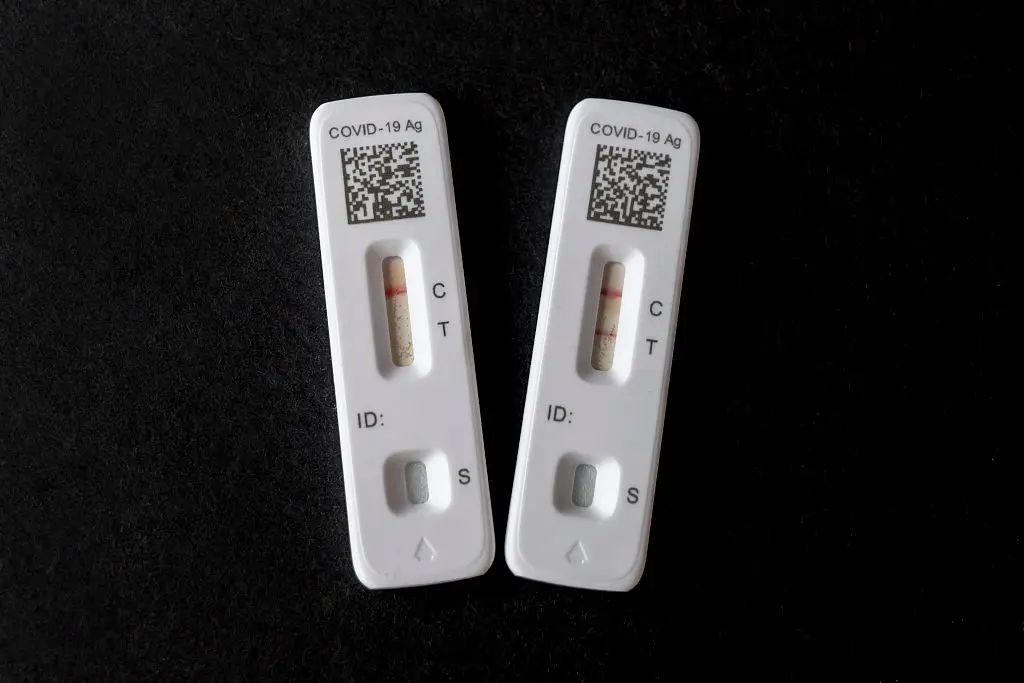
Also, home testing kits can still detect the variant, according to Dr Donald Milton, a University of Maryland respiratory expert.
It is also recommended to follow the same procedures to prevent COVID, such as washing your hands, staying at home if you are unwell, wearing a mask in crowded areas, and getting rest.
Could the new Covid variant 'evade' existing vaccines?
One concern with a highly mutated strain of Covid is that it could bypass existing vaccines.
The popular Pfizer-BioNTech and Moderna vaccines focus on protecting against the KP.8.1 strain, while the Novavax vaccine targets the JN.1 strain.
However, the BA.3.2 strain is different enough that our immune systems may not be able to recognise the illness as quickly.
Experts are still cautioning people to get vaccinated if necessary, as vaccines continue to provide protection against the more severe aspects of the infection.
Topics: Coronavirus, Health
 Brenna Cooper