NHS issue warning against eating grapefruit for millions taking common antidepressant

Grapefruit is a healthy snack packed with nutrients - but it's not a good idea to eat it if you take sertraline.
In fact, there's a few medications that don't mix well with it, so a host of health experts have urged people to do their research before consuming the citrus fruit.
A lot of us aren't aware of how this piece of fresh produce can impact us if it interacts with prescription drugs, but we ought to be.
The NHS advises people who are taking the antidepressant sertraline not to eat grapefruit or drink its juice, as well as avoiding alcohol, because 'it can stop the medicine working properly'.
Advert
Brit Award-winning singer Lewis Capaldi previously announced he was one of the millions of people in the UK who have been prescribed sertraline for mental health reasons.
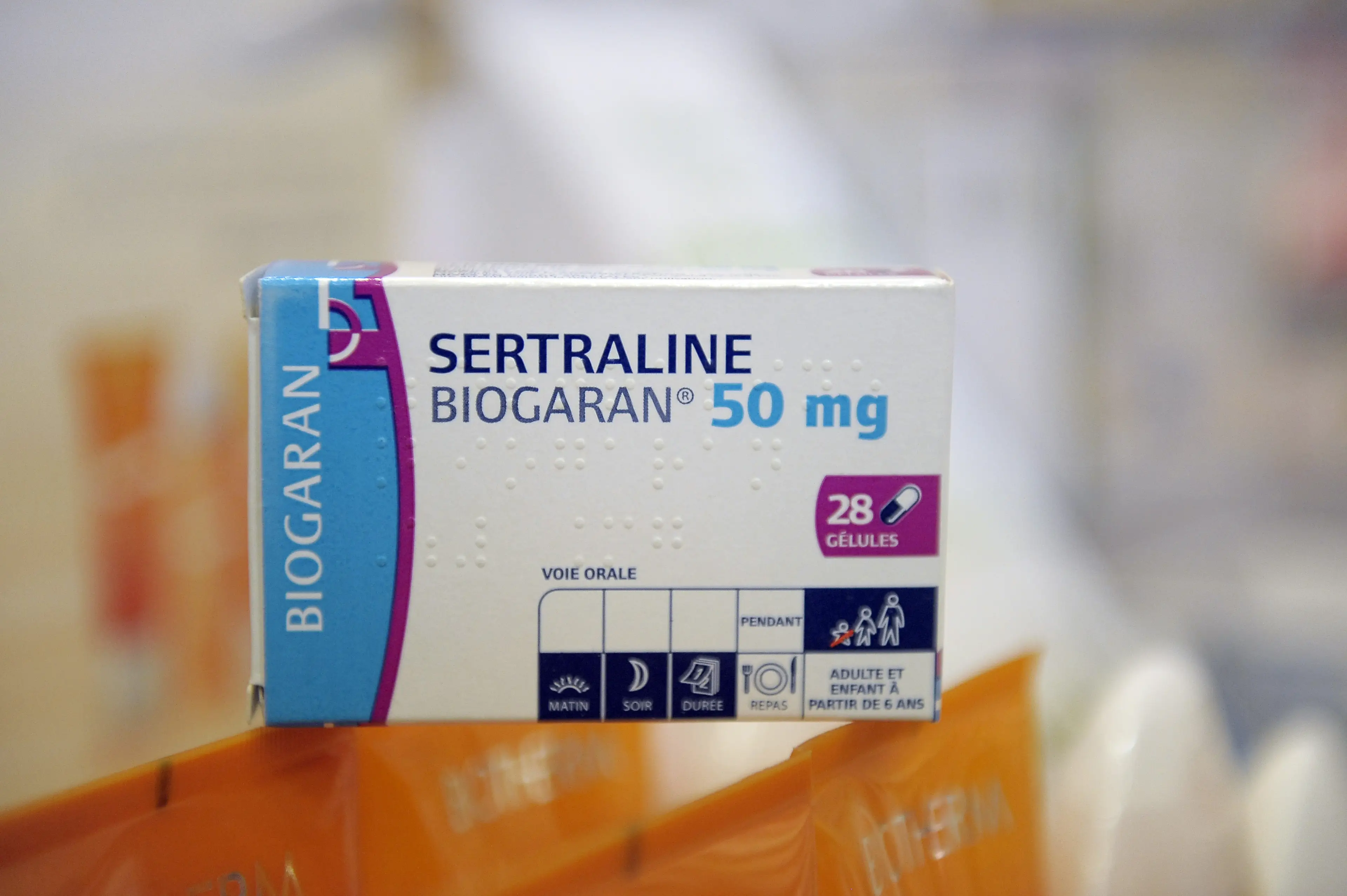
The antidepressant, which treats depression, obsessive compulsive disorder, panic disorder, post-traumatic stress disorder (PTSD) and anxiety, works by increasing the level of serotonin, which is a chemical in your brain which controls your mood.
Grapefruit gets in the way of your body breaking down drugs such as this - but how?
According to the US Food and Drug Administration (FDA), there are various medicines that clash chemically with the components of grapefruit.
This includes some statins, drugs that treat high blood pressure, organ-transplant rejection drugs, anti-anxiety medication, corticosteroids and antihistamines, among others.
It warns that either eating grapefruit or drinking it in juice form can impact 'the way your medicines work', adding: "The severity of the interaction can be different depending on the person, the drug, and the amount of grapefruit juice you drink."
The FDA explains that after you consume your tablets, whatever they may be, they are broken down by 'enzymes and/or absorbed using transporters in cells found in the small intestine'.
However, grapefruit can cause problems with this metabolisation process, resulting in too much or too little of the drug being in your body.
It can block a vital enzyme known as CYP3A4 from breaking down the medication, or stop the action of transporters, meaning it impacts how much of the medicine your body absorbs.
"The juice lets more of the drug enter the blood," Shiew Mei Huang, PhD, of the FDA, said. "When there is too much drug in the blood, you may have more side effects."
The amount of the CYP3A4 enzyme you have varies from person to person, so grapefruit can have a different effect on different people when they take the same drug.
If the medication hasn't broken down properly, it increases your risk of the likes of liver and muscle damage, as well as kidney failure.
On the other hand, if grapefruit impacts the transporters, less of the drug will enter your bloodstream, and it probably won't do the job it's supposed to.
Other citrus fruits - such as Seville oranges, pomelos, and limes - can have a similar impact, so make sure you consult with your doctor about your diet before you start taking something new.
Harvard Health also warns that the result of combining grapefruit and some drugs can be 'dangerous'.
It warns: "Grapefruit's culprit chemical does not interact directly with your pills. Instead, it binds to an enzyme in your intestinal tract known as CYP3A4, which reduces the absorption of certain medications.
"When grapefruit juice blocks the enzyme, it's easier for the medication to pass from your gut to your bloodstream. Blood levels will rise faster and higher than normal, and in some cases the abnormally high levels can be dangerous."
Anyone for a banana instead?
Topics: Mental Health, NHS, Food And Drink, Drugs
 Olivia Burke