
Doctor issues warning to hay fever sufferers over common mistake you're probably making

A GP has shared the most common mistake hay fever sufferers make every year, and you're probably guilty of it.
Spring is finally here and the UK weather has finally started to perk up with temperatures of up to 19 degrees predicted this week.
But with the warm weather comes the dreaded 'pollen bomb', as tree pollen levels across the nation shoot through the roof.

At the time of writing, the Met Office claims pollen levels are currently 'very high' in Scotland and 'high' throughout the north east and north west of England.
Hay fever affects one in four adults and symptoms can include a runny nose, sore head, and an itchy throat.
So, how can you protect yourself this spring, and what do you need to avoid? Find out what a GP has to say below.
Common hay fever mistakes
For some people, hay fever can impact their daily life, from work to social events, so it's important to get ahead of symptoms before they even start.
According to Dr Unnati Desai, National GP Lead at Nuffield Health, people often make the same mistakes without even realising it.
“With the changing climate and subsequent changes in weather, patients seem to be coming in earlier each year with hay fever symptoms," Dr Desai says. "If symptoms aren't expected, it makes it harder for them to be recognised or managed."
"Some of the more common mistakes I see include not taking advantage of weather reports, which is one of the easiest ways to see if pollen counts are high. Most phones also have the functionality now built into weather apps.
"Some people avoid over-the-counter medicines, too," she adds. "Using non-drowsy anti-histamines or nasal sprays can help reduce more mild symptoms. Dependent on the severity, a GP can prescribe stronger nasal sprays, prescription-strength antihistamines and drops, which are safe for contact lens wearers. They can also prescribe inhalers or oral steroids."
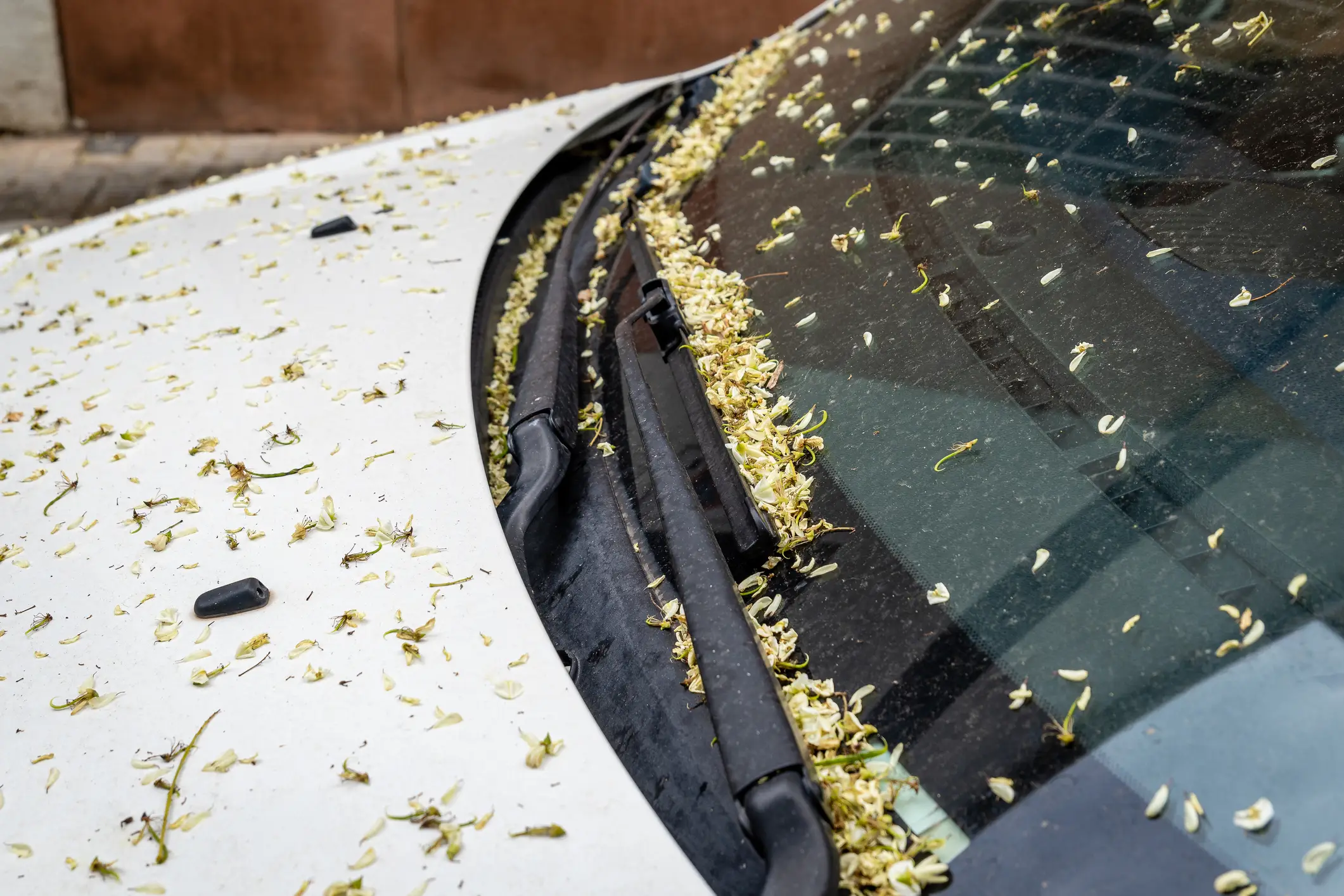
But it's not just finding the right medication for you that's important, it's when you take it.
Dr Desai explains that waiting until you're mid-symptom to start taking your medication is a common mistake she sees at the practice.
"Take any medications needed to help with symptoms before venturing out, or make sure you have access to some in case symptoms worsen," she urges.
"If you’re looking for the optimum time to take antihistamines, pollen count peaks at dawn and dusk, so I recommend taking a non-drowsy antihistamine in the morning, so that symptoms are controlled in the day, and the benefits of the medication can be reaped.
"Over-the-counter medications can be taken at any time of the day, but it’s worth noting that they usually take between 20 to 60 minutes to work."
What is the root cause of hay fever?
Hay fever is a reaction to tree or plant pollen.
Symptoms usually worsen between late March and early September, especially when it's warm and humid outside.
Symptoms can last for weeks or sometimes months.
What is the best medicine for hay fever?
From nasal sprays and antihistamines to eye drops, there are lots of different hay fever remedies on the market depending on the severity of your symptoms.
If you're struggling to find a solution, it's recommended that you speak to your GP for advice.
Shop our top pick of hay fever remedies below:
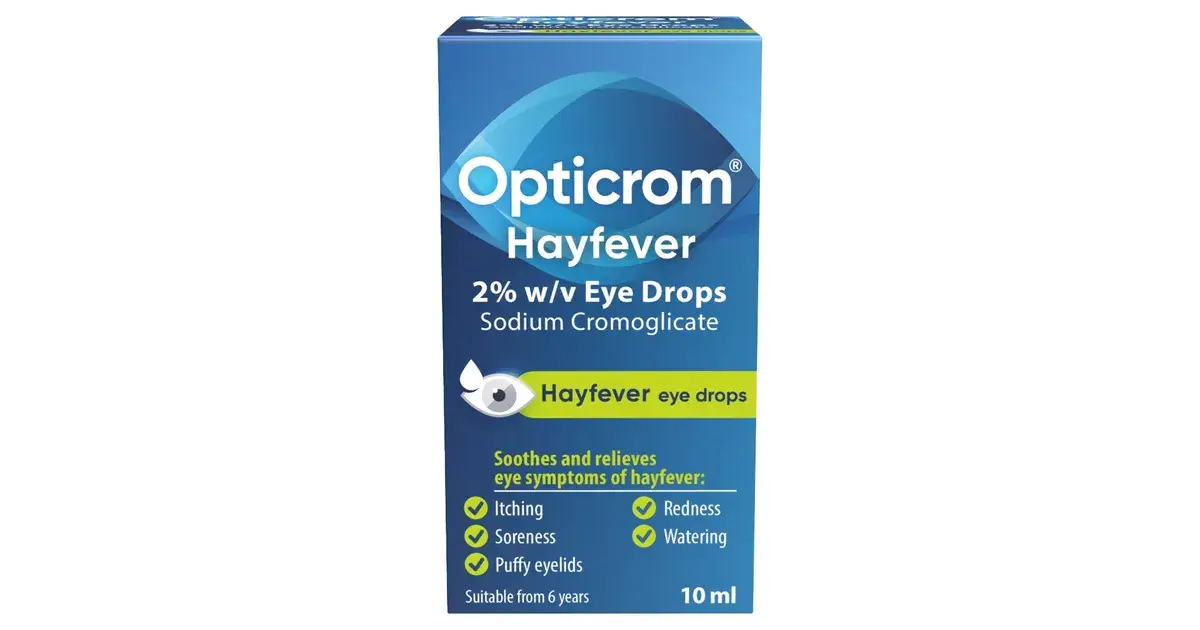
Opticrom Hayfever 2% eye drops solution
If you're suffering from red, itchy eyes, then consider an eye solution. Designed to get to work in minutes, the eye drops will soothe irritation - but they're not suitable for contact lens wearers.
£5.19
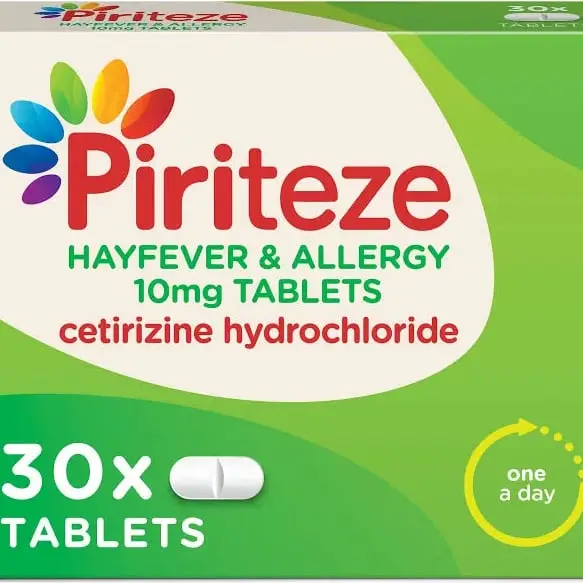
Piriteze Hayfever and Allergy antihistamine tablets
Every year, I rely on Piriteze to get through hay fever season. I recommend taking early in the morning to beat the symptoms before they even have time to kick in. Always contact your GP for advice on taking medication.
£13.42
£7.55
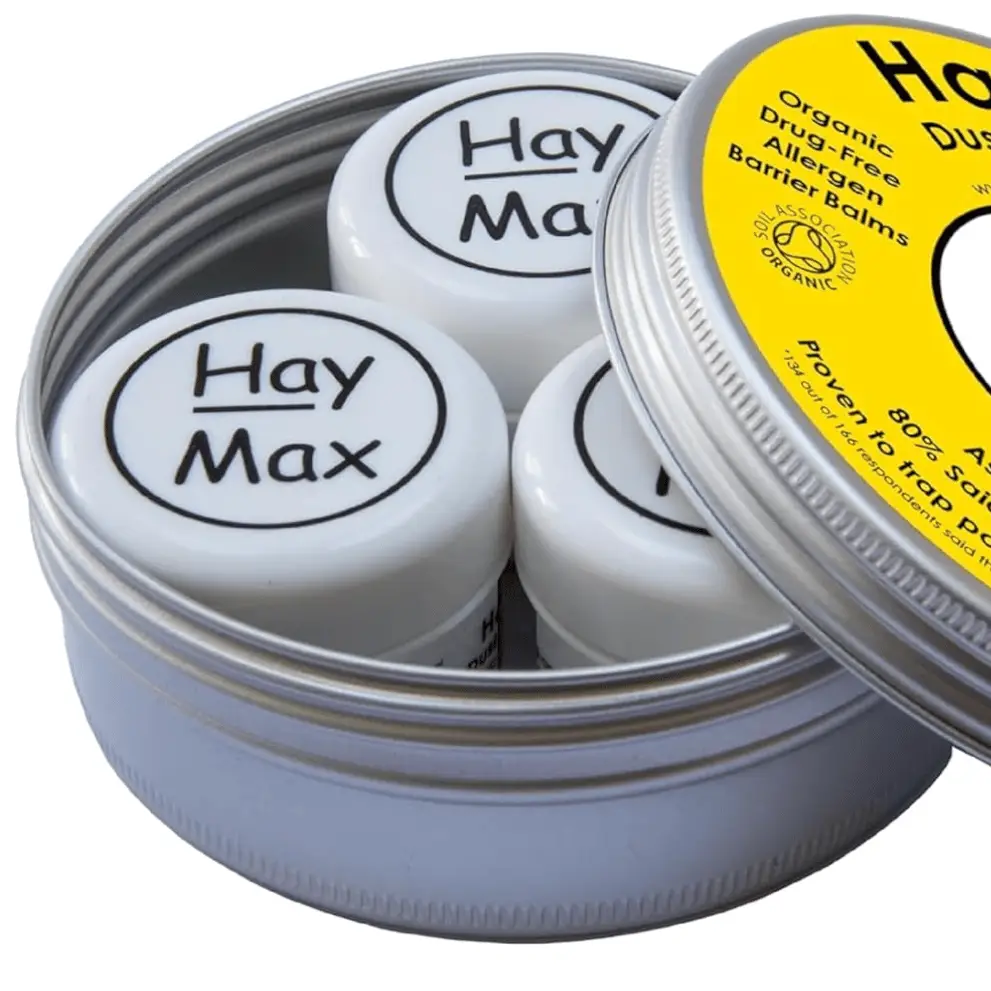
HayMax Allergen Barrier Balm
If you'd rather steer clear of medication, this HayMax balm is designed to block allergens from entering the body, whether you're allergic to pets or pollen. It's an excellent non-drowsy choice.
£16.98
Nuage hay fever allergy relief wipes
Another option for young families who want to avoid antihistamines. These daily wipes will fit in your bag and can be used around the eyes and nose. One five-star review reads, "I use these around my children's eyes and nose, as they are too young to use other allergen products."

£8.84
£3.39
Topics: Health
 Danielle Fowler