ladbible homepage
ladbible homepage
  • Home
  • News
    • UK
    • US
    • World
    • Ireland
    • Australia
    • Science
    • Crime
    • Weather
  • Entertainment
    • Celebrity
    • TV
    • Film
    • Music
    • Gaming
    • Netflix
    • Disney
  • Sport
  • Technology
  • Travel
  • Lifestyle
  • Money
  • Originals
    • FFS PRODUCTIONS
    • Say Maaate to a Mate
    • Daily Ladness
    • UOKM8?
    • FreeToBe
    • Citizen Reef
  • Advertise
  • Terms
  • Privacy & Cookies
  • License Our Content
  • About Us & Contact
  • Jobs
  • Latest
  • Archive
  • Topics A-Z
  • Authors
Facebook
Instagram
X
Threads
Snapchat
TikTok
YouTube
Submit Your Content Here
  • SPORTbible
  • Tyla
  • GAMINGbible
  • LADbible Group
  • UNILAD
  • FOODbible
  • UNILAD Tech
Doctor explains who really needs to take Omega-3 supplement that is one of most common in world
Home>Lifestyle
Published 17:20 3 May 2026 GMT+1

Doctor explains who really needs to take Omega-3 supplement that is one of most common in world

Eating oily fish is best, but if not, you might want to invest in some Omega-3 supplements

Brenna Cooper

Brenna Cooper

google discoverFollow us on Google Discover

Unsure whether or not you need to add Omega-3 supplements to your diet? Here is a useful guide from a doctor.

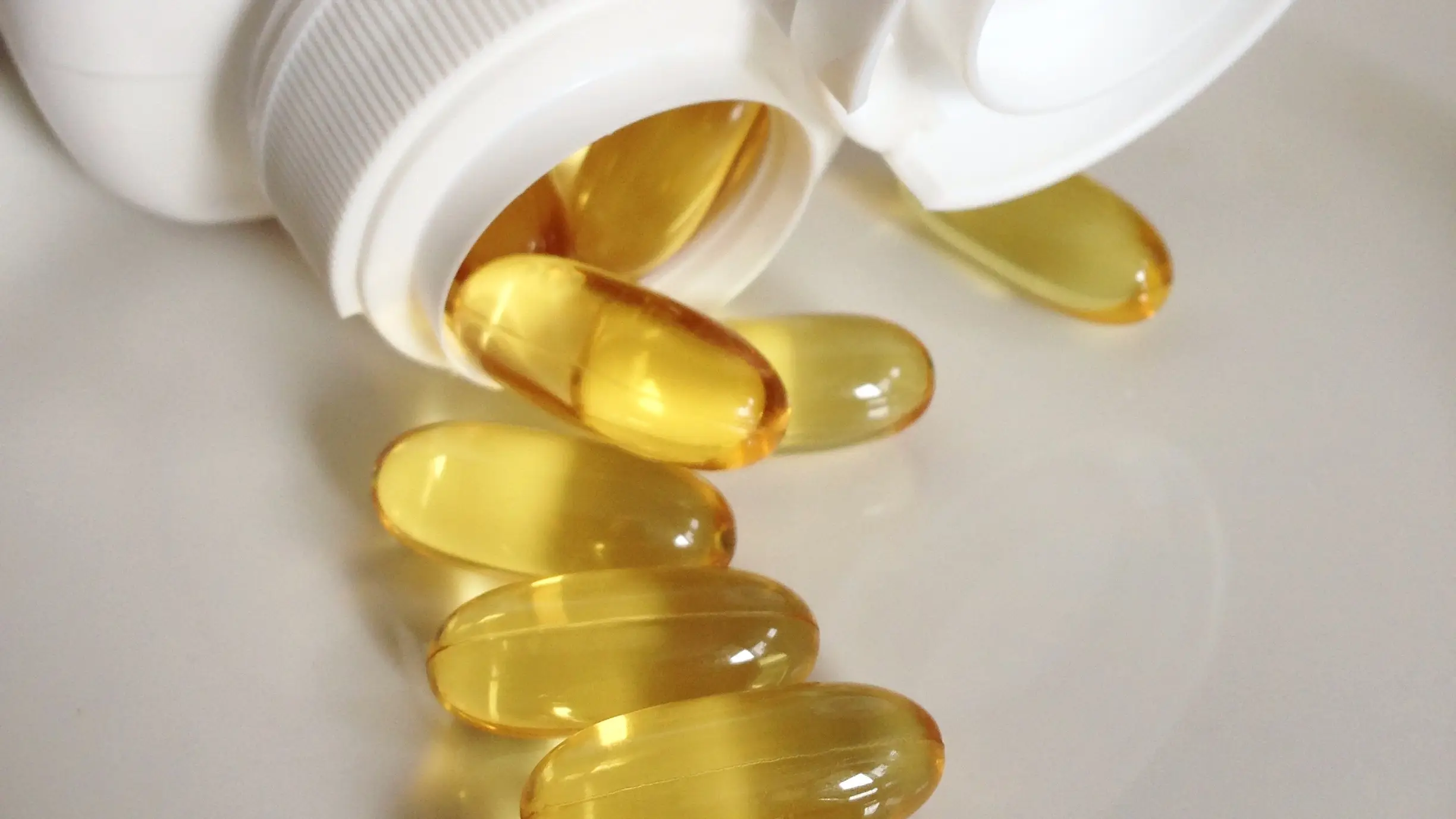
Commonly referred to as fish oil, Omega-3 tablets are among the most popular supplements in the world and are taken by millions daily.

But how do you know whether or not you need it?

What is Omega-3?

Omega-3 fatty acids are considered a critical nutrient for the body, as they are crucial for the production of brain cells, supporting heart health and reducing inflammation.

The body cannot produce these acids naturally; however it can be found in fish, such as salmon, mackerel and herring, as well as algae and plant sources such as flaxseeds, chia seeds and walnuts.

Advert

Omega-3 is naturally found in oily fish, such as salmon (Getty Stock Images)

Who needs to take Omega-3 supplements?

Unlike Vitamin D and Iron, there is no set limit on how much Omega-3 a person needs as part of their daily intake, however the NHS does recommend two portions of oily fish each week.

But if you're not a big fan of seafood, then it may be time to head out to your nearest health food shop or supermarket and pick up some Omega-3.

"Getting your Omega-3s from your diet is best," explained Dr Karan Rajan in a recent post on the topic.

"But unless you're eating at least you're eating at least two servings of oily fish per week, it's highly unlikely you're getting enough."

When it comes to purchasing Omega-3, he recommends the following groups of people should consider adding it to their diet:

  • Vegans and vegetarians: Flaxseed Oil can be used as a plant-based alternative to fish oil
  • People who eat little to no portions of oily fish
  • People with high triglyceride (excess fat in the blood) levels

Vegetarians and vegans are more likely to need Omega-3 supplements (Getty Stock Images)

Dr Rajan also shares advice on which Omega-3 supplements are the most beneficial to purchase, explaining that you want to buy capsules which are 'third-party tested' and have the specific dosage of acids EPA and DHA in them.

"Try and aim for 250 to 500mg of DHA and EPA combined," he added. "And make sure it doesn't just say 'fish oil' without the doses."

Are there any side effects to taking Omega-3?

Like most things in the world, there are potential side effects of Omega-3 which you need to be aware of when taking the supplement.

Research published by the BMJ in 2024 revealed an association between healthy adults taking fish oils and an increased risk of atrial fibrillation (irregular heartbeat), heart attack, stroke, and heart failure.

However, the study did note that all participants involved in the study had preexisting heart conditions, meaning they were already at a higher risk of complications.

The patients also had a 15 percent lower risk of progressing from atrial fibrillation to a heart attack, and a nine percent lower risk of progressing from heart failure to death when compared to those who did not take a supplement.

Responding to the research, the British Heart Foundation pointed out that while the study does indeed show a link between fish oil and an increased risk of heart conditions in otherwise healthy people, it did not prove cause and effect.

So if you have any doubts, it's best to consult your doctor before giving up your Omega-3.

Featured Image Credit: (Getty Stock Images)

Topics: Health, Lifestyle

Brenna Cooper
Brenna Cooper

Brenna Cooper is a journalist at LADbible. She graduated from the University of Sheffield with a degree in History, followed by an NCTJ accredited masters in Journalism. She began her career as a freelance writer for Digital Spy, where she wrote about all things TV, film and showbiz. Her favourite topics to cover are music, travel and any bizarre pop culture.

X

@_brencoco

Recommended reads

Conchita Wurst is unrecognisable months after cutting ties with Eurovision 'indefinitely'Ragnar Singsaas/Getty ImagesHow iPhone users can delay new iOS 26.5 update to stop battery draining fasterGetty StockForensic psychologist shared Deadpool killer's 'true feelings' on death sentenceCape Coral Police DepartmentUpdate in case after ‘Covid syndrome’ parents were arrested for keeping kids in ‘house of horrors’Police Handout

Advert

Choose your content:

a day ago
  • Getty Stock Image
    a day ago

    Why you get 'squiggly floaters' in your eyes as expert explains what to do if you see them

    It can be harmless but in some cases, it can be a bad sign for your eye health

    Lifestyle
  • Jamie McCarthy/Getty Images
    a day ago

    Toxic Shock Syndrome explained as model wears golden prosthetics to Met Gala after losing both legs

    Toxic Shock Syndrome can have a terrifying impact on the body

    Lifestyle
  • Getty Stock
    a day ago

    Woman shared reality of sleeping with man with micropenis

    It's thought that approximately 0.6 percent of men around the world have a micropenis

    Lifestyle
  • Getty Stock
    a day ago

    Colon cancer sufferers share symptoms they noticed as cases rise in under 50s

    These are the key signs to keep an eye out for, as early diagnosis is crucial

    Lifestyle
  • Expert explains what popular gym supplement really does to your body when you take it
  • Doctor shares ‘most dangerous meal’ in the world that is extremely common
  • Worrying side effects of taking Omega-3 despite it being one of the most common supplements in the world
  • Heart doctor shares warning over food ‘worse than smoking’ that decreases lifespan