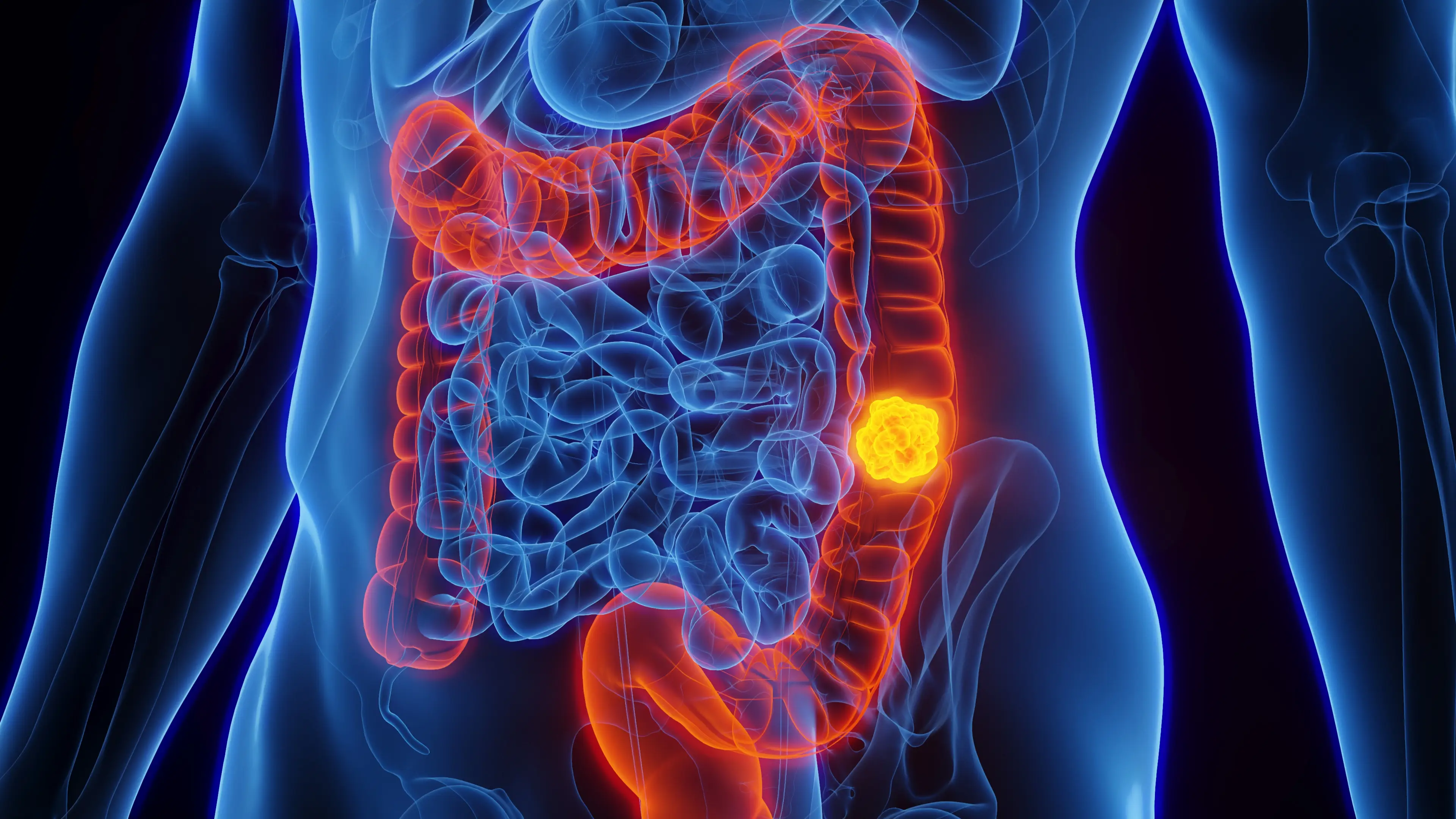
Number of alcoholic drinks per week raises bowel cancer risk by 25%

Warning: This article contains discussion of cancer which some readers may find distressing.
A new study has revealed the number of alcoholic drinks that raise the risk of bowel cancer by 25 per cent.
Bowel cancer, also known as colorectal cancer, is the fourth most common cancer in Britain, with over 44,000 new cases a year, according to Cancer Research UK.
Changes in your stool, including blood, are among the early warning signs of the disease. However, 54 per cent of cases are preventable, and people can potentially lessen their risk of developing bowel cancer by drinking less.
Advert
The results of a study published by Wiley online in CANCER, a peer-reviewed journal of the American Cancer Society, showed that heavy drinking was linked to a 91 per cent higher risk of colorectal cancer compared with light drinking.
Data was taken from adults in the US who had enrolled in the National Cancer Institute's (NCI) prostate, lung, colorectal, and ovarian cancer screening trial. They did not have cancer at the start of the study.

How many drinks per week can increase bowel cancer risk?
Among the 88,092 participants, 1,679 colorectal cancer cases occurred over 20 years.
They found that heavy drinkers who consume more than 14 drinks a week had a 25 per cent higher risk of developing bowel cancer, and a 95 per cent higher risk of developing rectal cancer.
In comparison to light drinkers, those who drank heavily throughout adulthood had a 91 per cent higher risk of colorectal cancer.
Co–senior author Erikka Loftfield said: “Our study is one of the first to explore how drinking alcohol over the life course relates to both colorectal adenoma and colorectal cancer risk.
“While the data on former drinkers were sparse, we were encouraged to see that their risk may return to that of the light drinkers.”
According to Cancer Research UK, alcohol can cause seven types of cancer, including mouth, breast and liver cancer. It can damage cells in the body when it is metabolised into acetaldehyde, which can prevent cells from repairing themselves.
Macmillan says that factors such as diet, weight and age can all be likely risk increases of bowel cancer; however, the exact cause is still unknown.
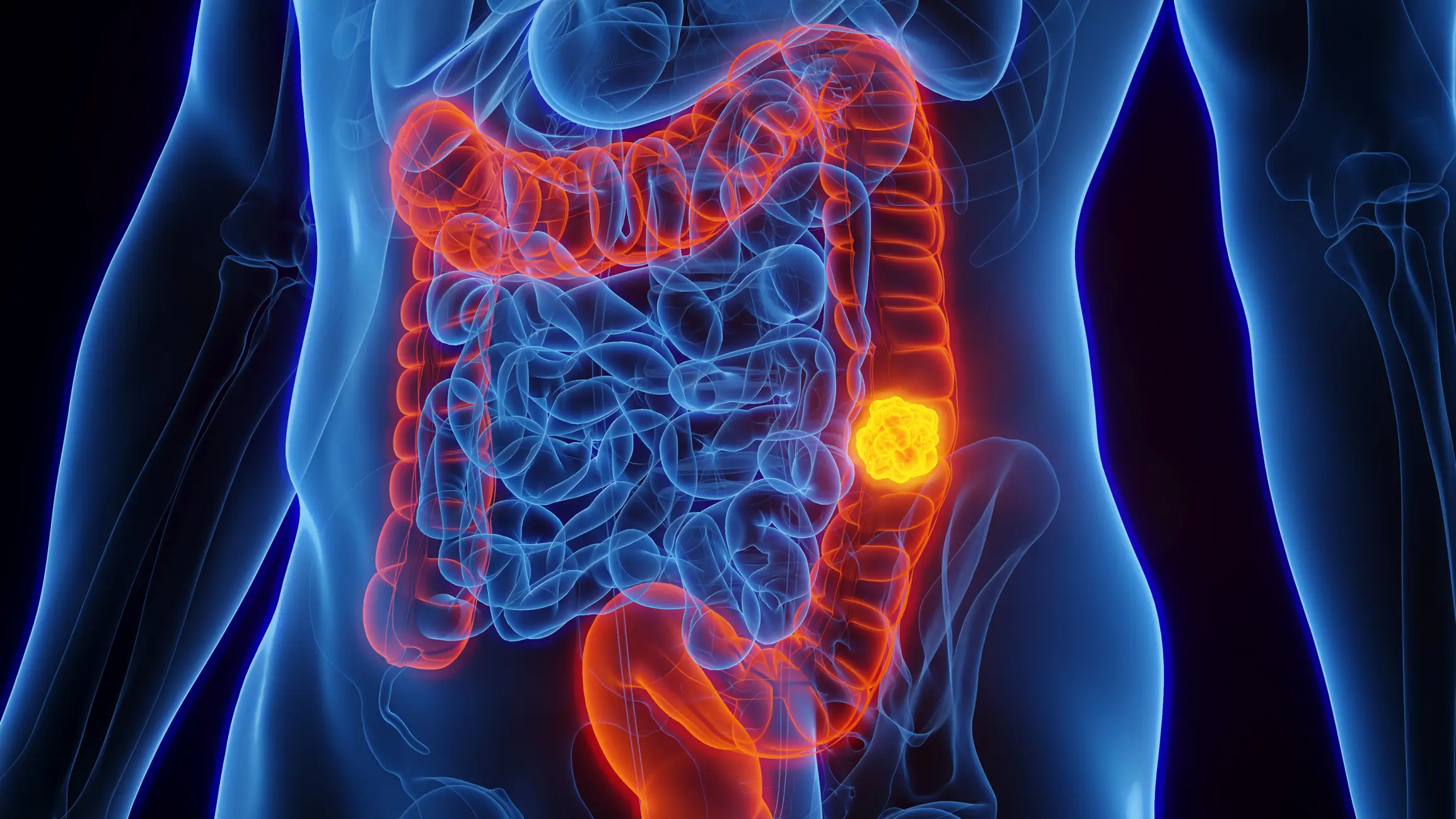
What are the symptoms of bowel cancer?
According to the NHS, symptoms of bowel cancer may include:
· Changes in your pooing habits
· Bleeding from your bottom
· Feeling like you need to poo even if you've just been to the toilet
· Tummy pain
· A lump in your tummy
· Bloating
· Losing weight without trying
· Feeling very tired for no reason
If you are experiencing any of these symptoms, it is recommended that you book an appointment with your GP, where you'll be asked questions about you and your family's medical history, with the possibility of undergoing a rectal examination.
You may also be referred to a specialist if the GP suspects there could be a possibility of cancer; however, the NHS stresses that this doesn't mean you definitely have cancer.
If you’ve been affected by any of these issues and want to speak to someone in confidence, contact Macmillan’s Cancer Support Line on 0808 808 00 00, 8am–8pm seven days a week.
Topics: Alcohol, Food And Drink, Health, Cancer, Bowel cancer
 Anish Vij