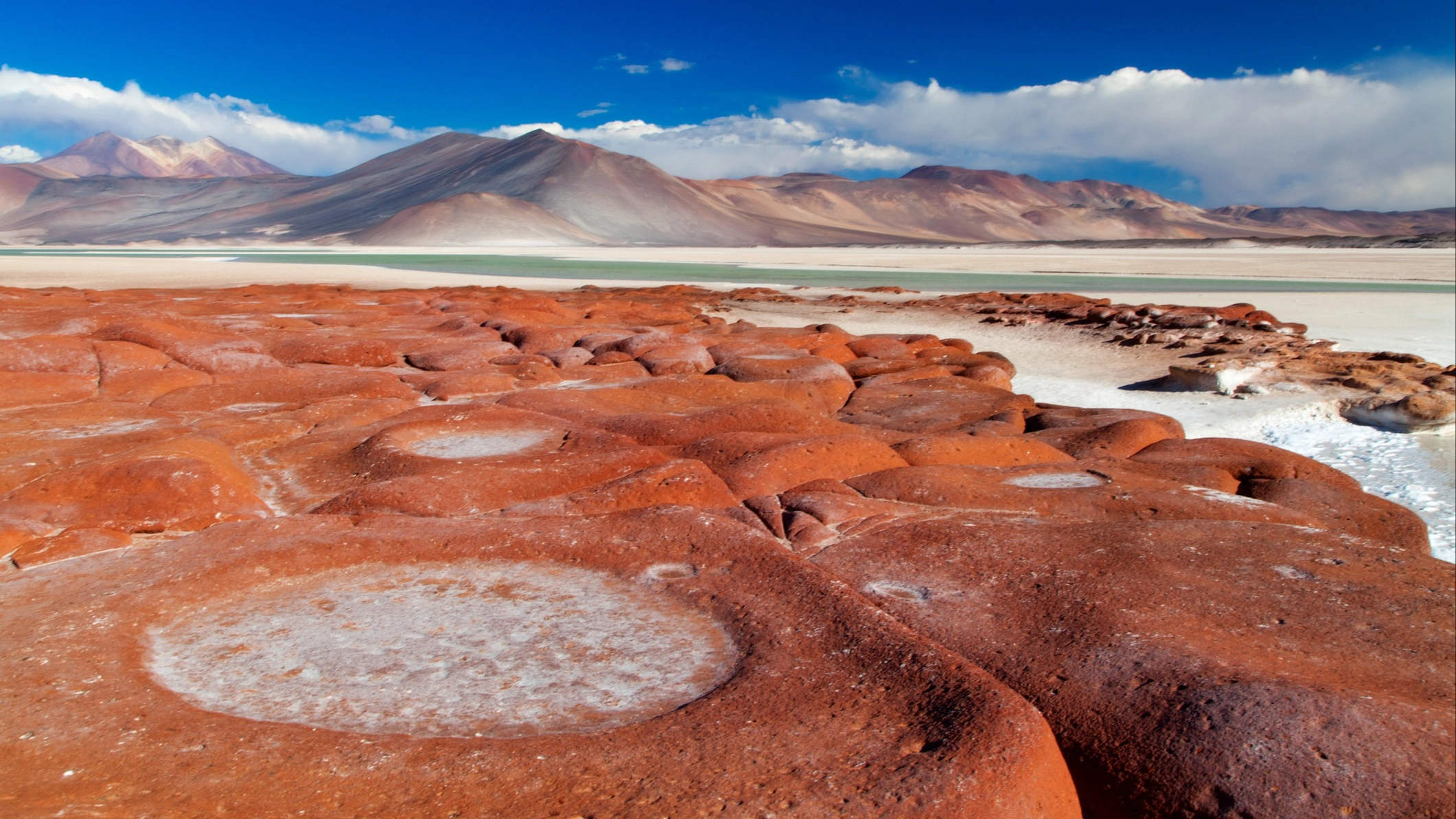
Scientists make shocking discovery digging in one of the driest places on earth

Scientists have made an incredible discovery after digging into the driest non-polar desert on Earth.
The Atacama Desert in northern Chile is so dry that NASA even used it to test out its Mars rovers on, due to its striking similarity to the desolate desert of the Red Planet.
Because of the extreme conditions of the site, the majority of the desert is completely uninhabitable to animals, however some creatures can be found at the desert's shoreline and coastal river valleys.
As it turns out, however, just beneath the surface of the dry land, the soil is home to many different life forms, much to the surprise of the researchers who made the discovery.
Advert
A team from the University of Cologne recently posted their findings in Nature Communications, after taking around 500g of soil samples from six different spots within the Atacama Desert, including dune systems, high-altitude mountains, saline lakes, river valleys and fog oases.
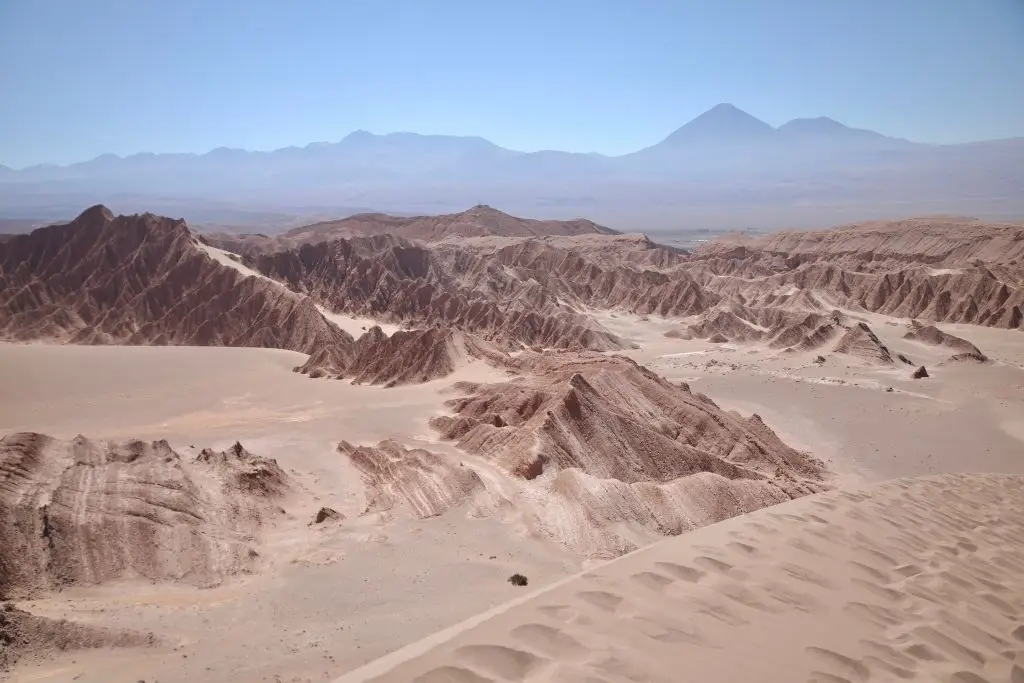
When they investigated the samples, the team found varying different levels of moisture within the soil, as well as UV radiation, salinity and vegetation.
But the most exciting part of the researchers' findings was the communities of nematodes living in the earth.
For those of us not clued up about these kinds of organisms, a nematode is a worm of the large phylum Nematoda, such as a roundworm or threadworm, classified in the same group as arthropods and tardigrades, which are known for their usefulness.
That's partially because nematodes are able to adapt to extreme environments, like the deep sea, Antarctica and now, as we know, the Atacama Desert.
While there have been very few individual nematodes recorded living in the desert, the researchers found 21 families and 56 genera, which is much more diverse than previous findings suggested.
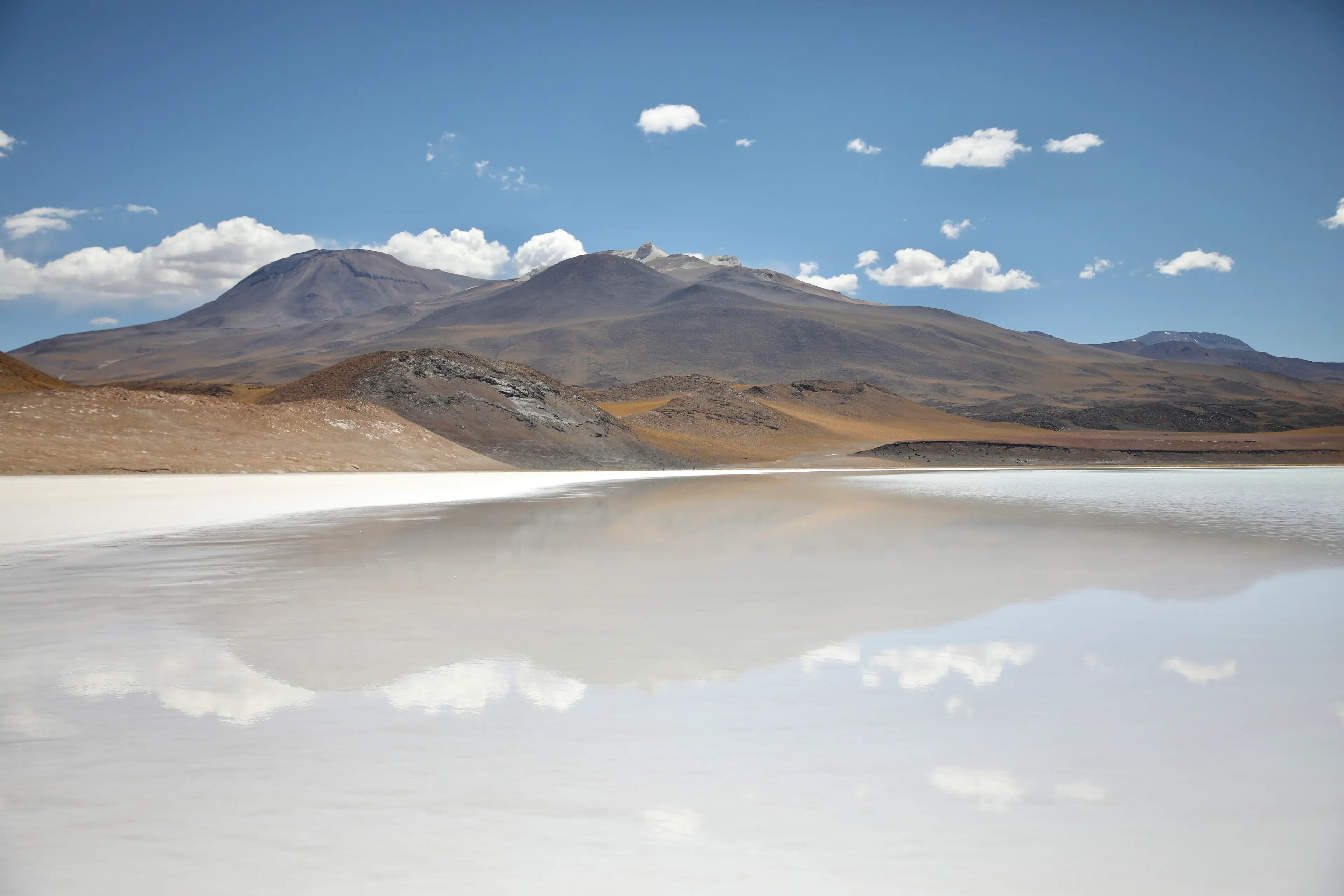
While nematodes are capable of reproducing both sexually or asexually depending on the species, it was found that asexually producing nematodes were much ore common within the higher altitudes of the desert.
The incredible research has proven that stable soil communities exist even in the most extreme environments like the Atacama Desert.
“In light of increasing global aridity, these results are becoming increasingly relevant,” says Philipp Schiffer, from the University of Cologne’s Institute of Zoology and one of the study’s authors.
“Understanding how organisms adapt in extreme environments and which environmental parameters cause them to spread can help to improve estimation of the ecological consequences of climate change.”
Topics: Science
 Emma Rosemurgey