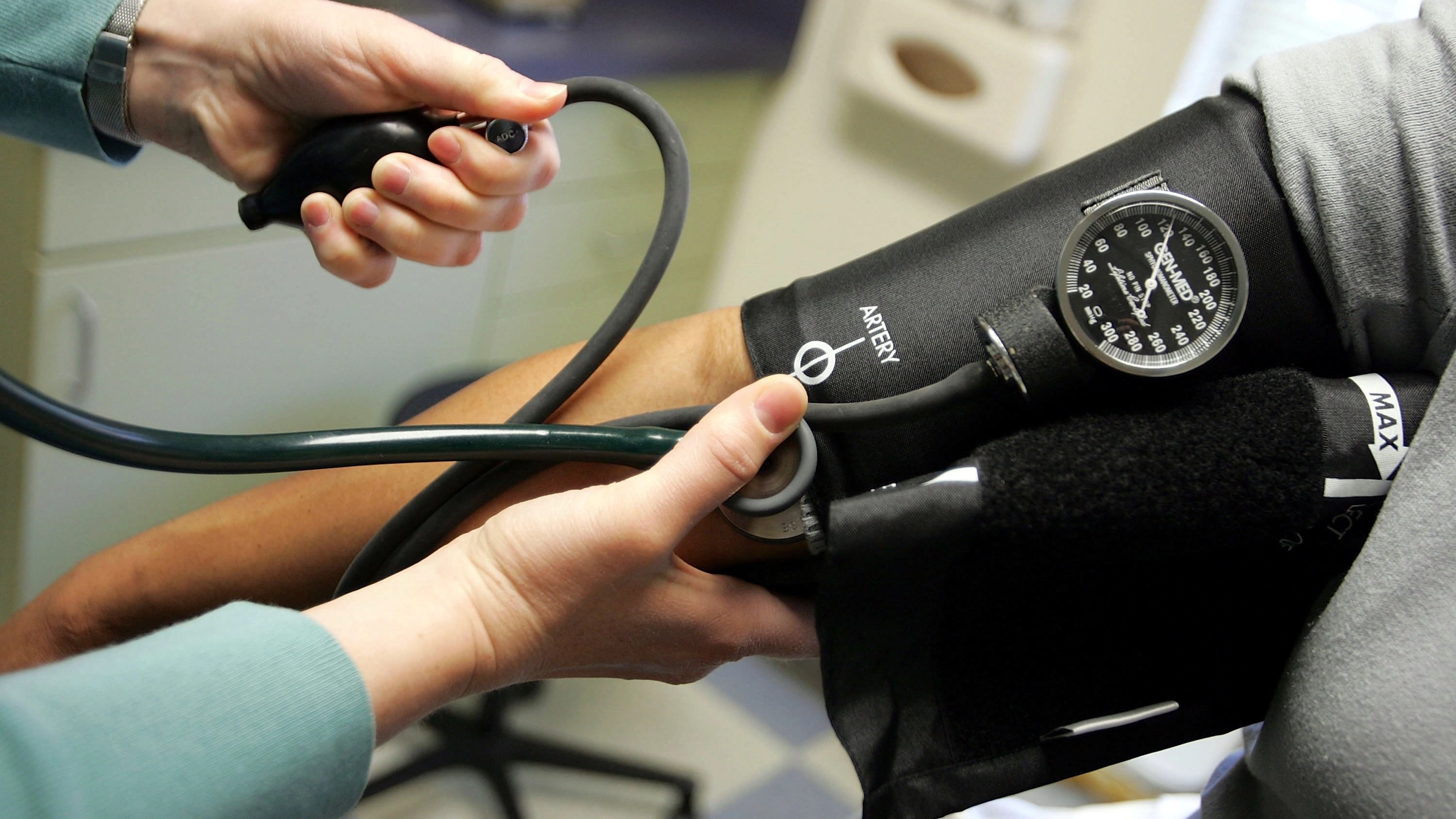
Having low blood pressure just got even more important according to new scientific study

A scientific investigation has found that low blood pressure is even more vital to a long healthy life than we originally thought.
Dizziness, fainting, blurred vision, nausea, fatigue, confusion, and heart palpitations are all common symptoms linked to this health concern, which can be pretty life-changing for anybody that suffers from it.
Per Science Daily, funded by the National Science Foundation and the National Institute of Neurological Disorders and Stroke, researchers recently analysed data from the Systolic Blood Pressure Intervention Trial (SPRINT), the National Health and Nutrition Examination Survey (NHANES), and other published studies to determine the outcomes of taking blood pressure medication.
Their model weighed up the possible benefits of preventing cardiovascular events (like heart attacks) and the potential threats connected to using meds.
Advert
As such, the team of scientists discovered that keeping systolic blood pressure below 120 mm may reduce the risk of heart failure, heart attack, and strokes.
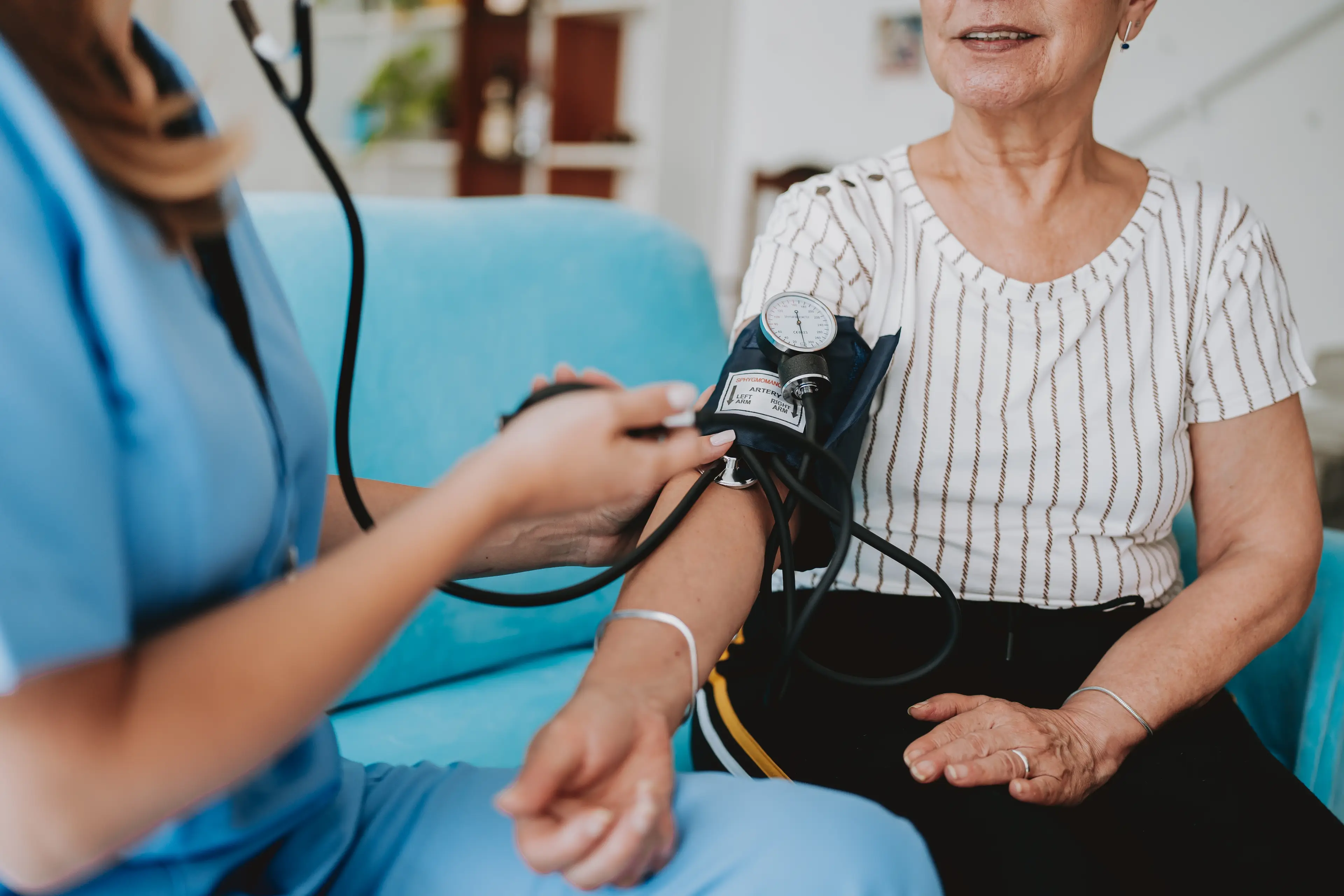
"This study should give patients at high cardiovascular risk and their clinicians more confidence in pursuing an intensive blood pressure goal," commented Karen Smith, PhD, an investigator at the Department of Orthopaedic Surgery at Brigham and Women's Hospital.
"Our findings suggest the intensive <120 mm Hg target prevents more cardiovascular events and provides good value, and this holds true even when measurements aren't perfect."
Smith suggested these groundbreaking findings may not apply to every individual, though.
"Our results examine the cost-effectiveness of intensive treatment at the population level. However, given the additional risk of adverse events related to antihypertensives, intensive treatment will not be optimal for all patients. Patients and clinicians should work together to determine the appropriate medication intensity based on patient preferences," she continued.
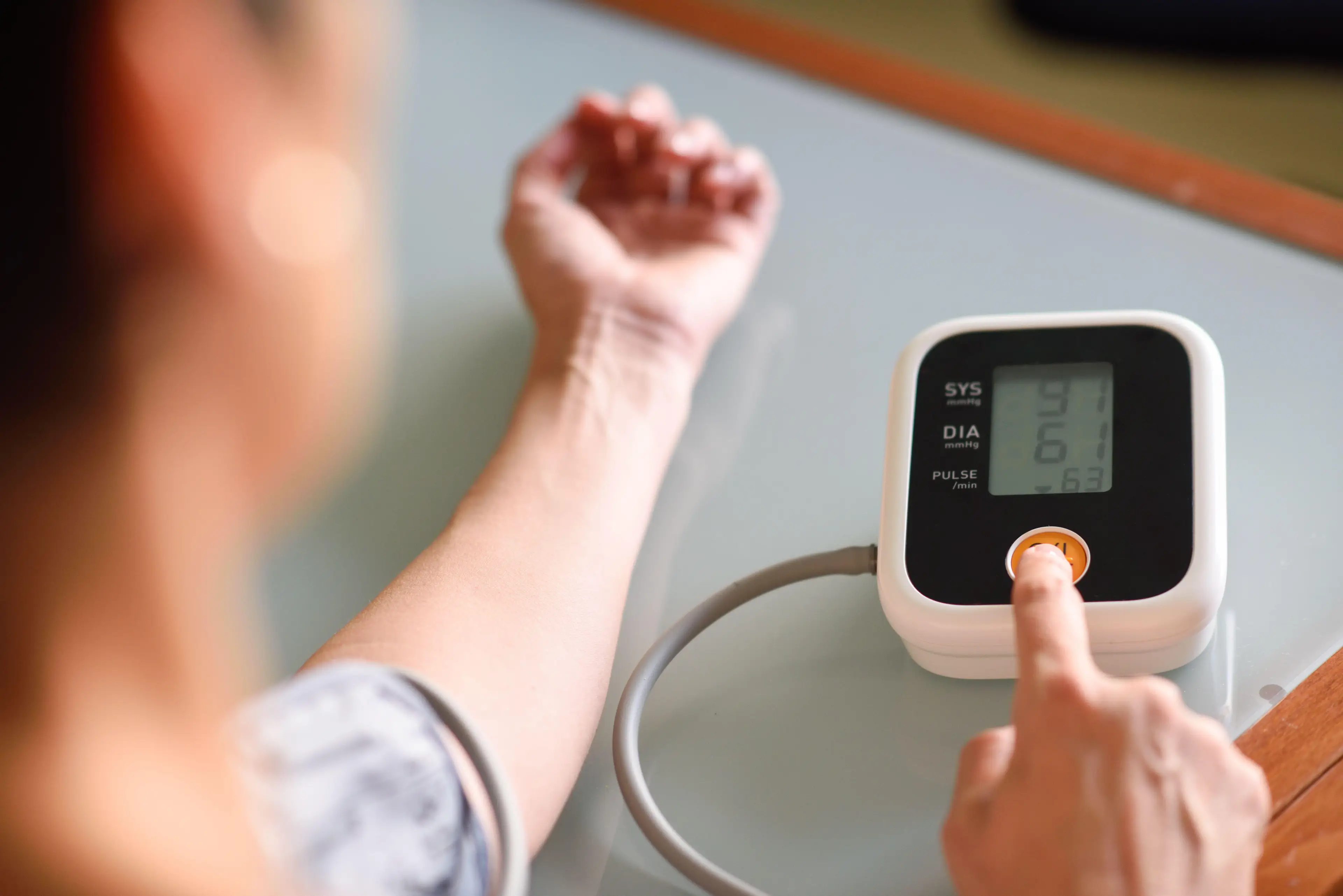
This news comes in the wake of Dr. Jeremy London's YouTube talk, who listed the three biggest preventable things that can contribute to a person losing their life: smoking, poor diet, and high blood pressure.
Jeremy, who has close to 400k subscribers, described the latter as the 'silent killer'. In the US, high blood pressure affects one in two people.
Even if you're unaware that you have it - like a lot of people, apparently - this doesn't mean it's not having a major impact on your health. It's actually damaging your heart, brain, and kidneys.
"The good news, it's highly modifiable through lifestyle, diet, stress management, and medication when necessary," the doctor caveated. "Be proactive, not reactive," he then urged people, which is the best approach to life we'd say.
 Dan Seddon