First symptoms of meningitis as two die and 11 seriously ill following UK outbreak

An outbreak of meningitis and septicaemia in Kent has resulted in two deaths and a further 11 confirmed cases.
Officials from the UK Health Security Agency (UKHSA) have said it is an 'invasive' meningococcal disease, while the University of Kent has confirmed that one of the people who died is their student.
The other was a school pupil in Year 13 at Queen Elizabeth’s Grammar School in Faversham.
The UKHSA warned that a person with meningitis or septicaemia may think they have a cold or flu but can become seriously ill a few hours later, which makes it vitally important to check on people who are unwell with the first symptoms to make sure they aren't left to suffer alone.
What are the first symptoms of meningitis?

Advert
According to the UKHSA, there are some common symptoms which may appear for meningitis, there is no particular order for them to arrive and they may not occur at all.
The symptoms are:
- Fever
- A very bad headache
- Vomiting
- Stiff neck
- Dislike of bright lights
- Rash
- Confusion or delirium
- Severe sleepiness, losing consciousness
- Fits
What are the symptoms of septicaemia?

Septicaemia is also something to look out for.
Some of the symptoms can be checked with the 'glass test', where a rash is supposed to fade under pressure and you will see the changes on the skin by pressing a glass against it.
For darker skin, the UKHSA recommends checking the eyelids or the roof of the mouth to see if there are spots there.
The symptoms are:
- Fever and shivering
- Severe pains and aches in limbs and joints
- Vomiting
- Very cold hands and feet
- Pale or blotchy skin
- Rapid breathing
- Diarrhoea and stomach cramps
- Red or purple ‘bruised’ or blotchy rash on skin that does not fade under pressure with the 'glass test'
- Difficulty walking or standing
- Severe sleepiness, losing consciousness

Why is meningitis such a risk to students?
Dr Dominic Greenyer, GP and director of The Health Suite, explained why meningitis posed a particular risk in universities.
He said: "Symptoms can initially resemble flu but may escalate quickly. Severe headache, neck stiffness, confusion, sensitivity to light or unusual drowsiness should all prompt urgent medical assessment.
"Students are particularly at risk of overlooking early symptoms as they can resemble a hangover."
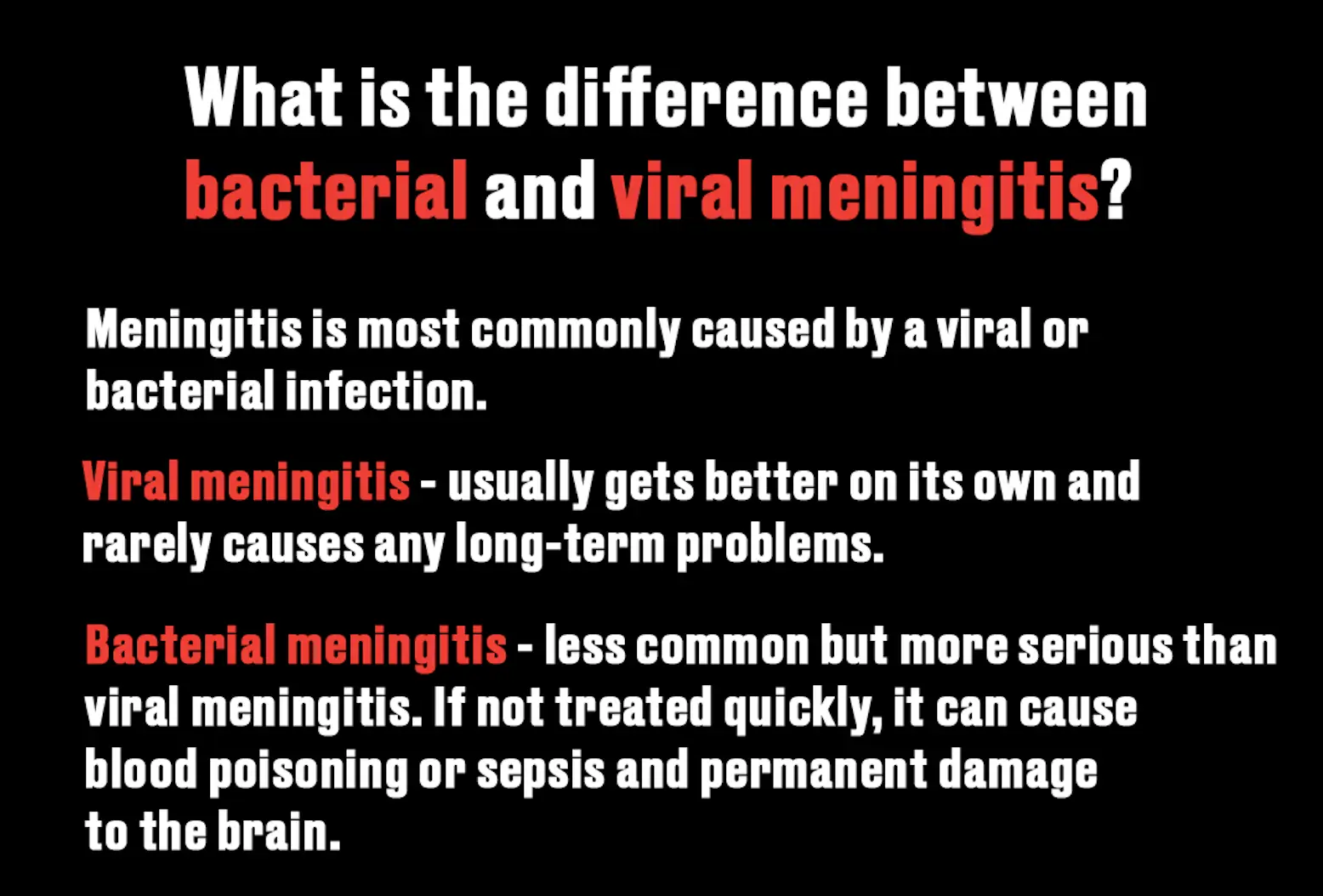
The doctor also said it was 'important to stress that a rash doesn’t always appear' in people with meningitis, so looking out for one specific and very visible symptom was dangerous.
He explained that it's spread by 'respiratory droplets when someone coughs, sneezes or has close contact such as kissing', and that people could 'carry the bacteria in their nose or throat without feeling unwell'.
Meningitis is most common in young people, and can pose a serious health risk to babies as well.
Dr Greenyer said that for babies the first symptoms 'can include a bulging soft spot, a high-pitched cry, unusual sleepiness or poor feeding'.
He recommended that if parents thought something was wrong they should 'trust their instincts', explaining that if it is meningitis, doctors won't want to delay treatment as starting as early as possible 'can make a huge difference to recovery'.
 Joe Harker