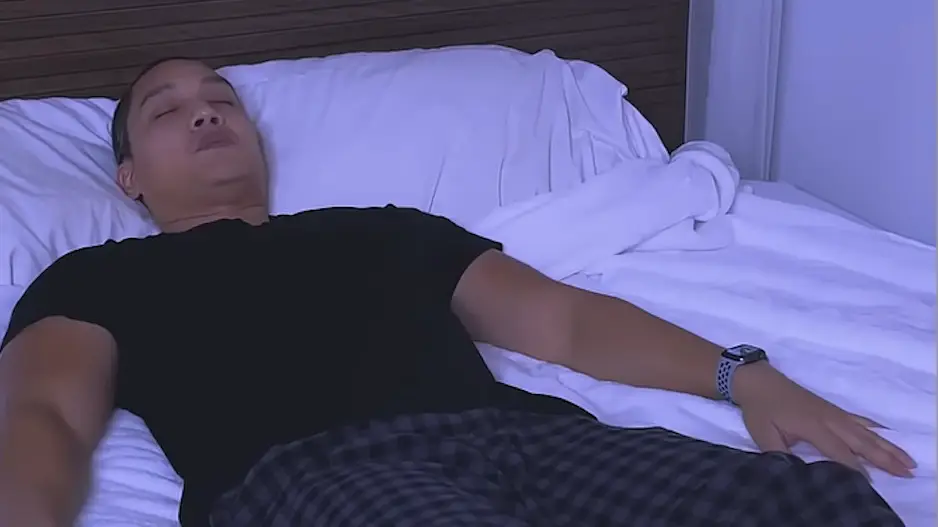
Military sleep method that works for 96% of people sends you to sleep ‘in two minutes’

A military-approved sleeping method reportedly works for up to 96 percent of the population.
No matter how tired you are, whether you've worked a 12-hour shift or ran a 10k, sometimes try as you might you simply cannot get to sleep at night.
You lie there, tossing and turning, never able to quite get comfortable, right before your brain very helpfully decides to remind you of that horribly embarrassing thing you did in school, that climate change is probably going to make society collapse, and there's no way of knowing whether you've got less time left alive than you've already lived.
While the precise amount varies from person to person depending on factors such as age, in general it is recommended that you get between 7-9 hours of sleep a night.
Advert
And if you live in a place where sheep are in short supply for counting, like a block of flats or a suburb, then finding a technique to drift off when you're stressed or distracted can be tormenting.
Fortunately there is a US-military-approved technique you can practice to help with this, one which is used by fighter pilots, whose job means they really need to hit the ground running every morning so they don't, well, hit the ground, as well as soldiers stationed in active war zones.
So how does it work?
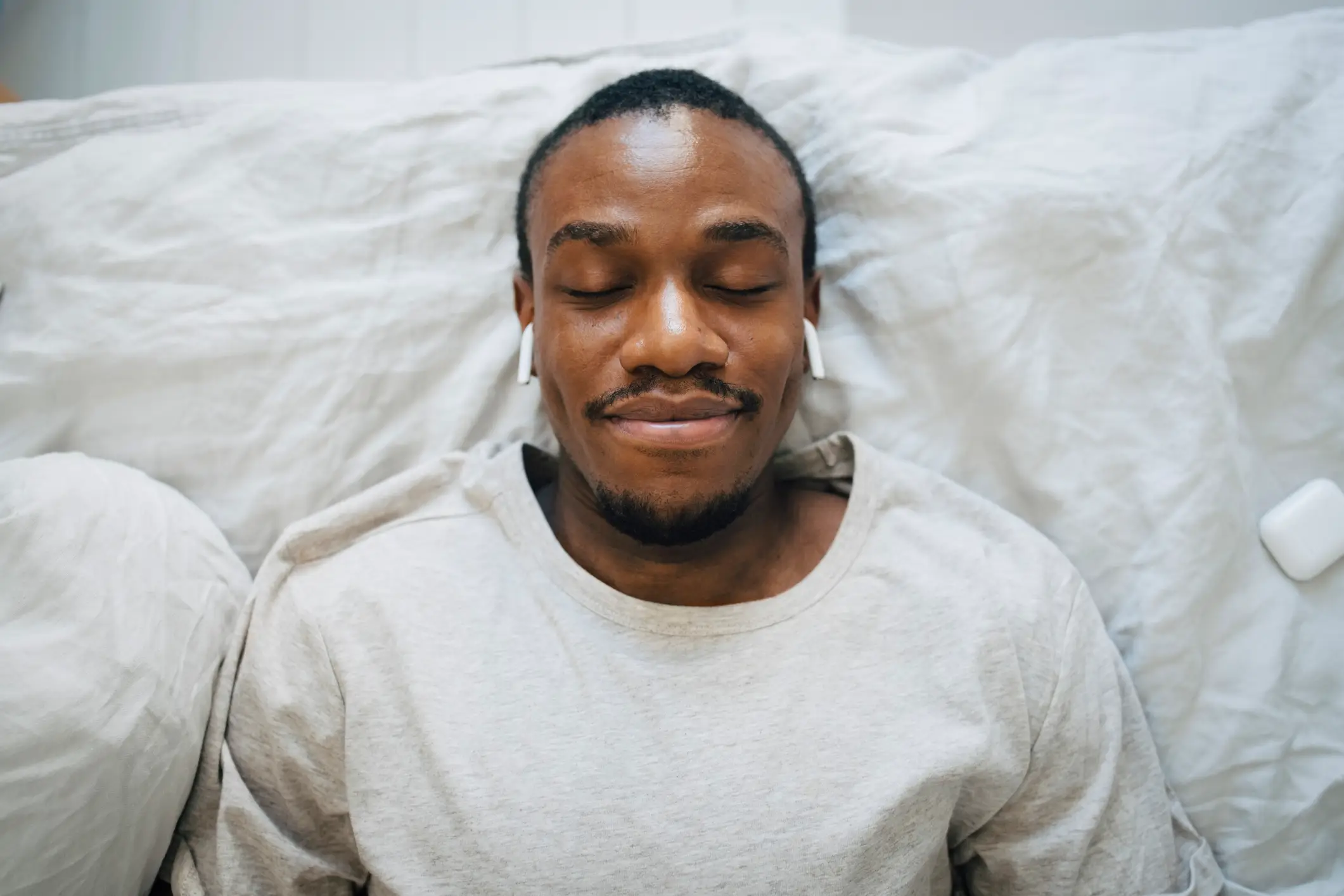
It's to do with how you position yourself.
Fitness coach Justin Agustin has claimed that the particular position can help people fall asleep in just two minutes, and it reportedly works for 96 per cent of the population, so it's definitely worth a go if you're getting desperate.
Unsurprisingly, you start by getting yourself comfortable on the bed, or wherever it is you're settling down for the night, and try to relax your entire body.
The technique, which was first shared with civilians in the 1981 book Relax and Win: Championship Performance, written by American track and field coach Lloyd Bud Winter, then instructs us to start relaxing our scalp before moving down to our temple and forehead.
From there, we ensure that our arms and legs are feeling loose and imagine a warmth spreading from our head to our fingertips. I'm starting to drift off just thinking about it.

Deep breaths can make us feel even more relaxed, and we're then asked to clear any things that might be causing stress from our brain, whether it's work, relationships, or fantasy football.
If you picture yourself in calm and peaceful surroundings, such as in a canoe on a clear lake or in a comfortable hammock by the beach, then at this point you're probably seconds away from the land of nod.
In the unfortunate circumstances that you have an overactive brain like me, then you can also just repeat 'don't think' to yourself for 10 seconds, which should hopefully help to clear your mind even more.
While you might be hoping that this is an instant fix, the fitness coach did warn that it could take as long as six months to perfect this method, so you might want to start getting some practice in tonight if you want to permanently change your sleeping habits for the better.
If that still doesn't work, then you may well to make other changes to your lifestyle, with several sober folks suggesting that better sleep was one of the most significant benefits of giving up booze.
Topics: Health, Sleep, Mental Health
 James Moorhouse