
Outbreak of deadly virus with no cure and 'epidemic potential' forces airports to bring in Covid-style checks

Update 28/01/26: Following publication of this article, the Indian government has clarified that there are only two confirmed cases of Nipah virus. It was previously stated there were five cases, but this was clarified following test results.
Covid-style restrictions have been introduced in some airports across the world following an outbreak of a deadly virus which currently has no cure.
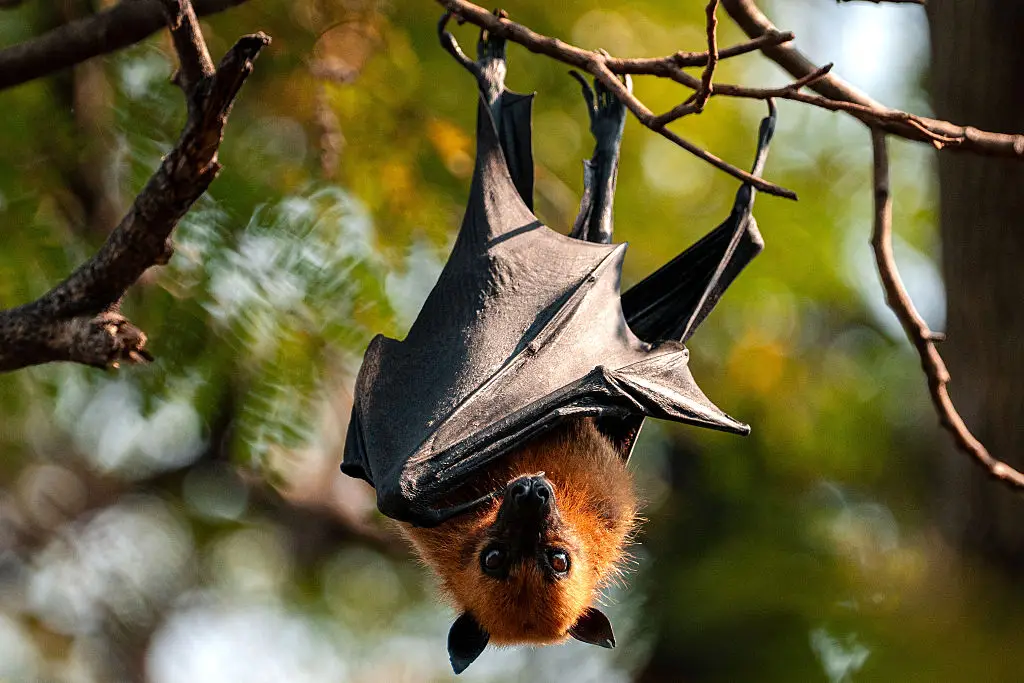
Nipah virus is a bat-borne virus (again) and causes disease in humans and other animals, with the World Health Organisation (WHO) classifying it as a high-risk priority pathogen with the potential to cause an epidemic.
Five cases were confirmed in West Bengal, India, with almost 100 more people placed into quarantine amid fears that the virus could quickly spread.
Advert
It can spread from person-to-person, from humans to animals and also through contaminated food, while symptoms include temperatures, headaches, myalgia (muscle pain), vomiting and sore throat, as well as dizziness, drowsiness, altered consciousness, and neurological issues.
Between 40 and 75 per cent of patients who catch the virus, which first presented itself in 1999 among Malaysian pig farmers, have sadly ended up dead, which is why the WHO are so concerned about its potential to cause an epidemic.

It's no surprise therefore that airports in Asia, including Thailand, Nepal and Taiwan, have now introduced strict checks in the hope of preventing it from spreading too far, with just the five confirmed cases so far.
"Thailand's Department of Disease Control screens travellers from West Bengal, India at Suvarnabhumi & Don Mueang airports starting 25 January amid Nipah virus outbreak. Health officials implement strict measures as passengers show excellent cooperation at checkpoints," the Thai government said.
Passengers arriving at airports are also being monitored for fever and viral symptoms, while a 'Health Beware Card' will also be issued to travellers who arrive from risk areas, urging them to seek immediate medical attention if they develop any of the symptoms associated with Nipah virus.
Nepal and Taiwan meanwhile, have both raised their alert levels, with health officials in Taiwan set to list Nipah virus as a Category 5 notifiable disease - the highest classification for serious emerging infections.
While Coronavirus was something very new, this marks the ninth outbreak in India since 2001, which suggests that while it can be deadly, the governments in charge there know how to get a handle on it.
Of course, we shouldn't dismiss the danger and deadliness of the disease simply because it's currently on the other side of the world but a doctor has suggested that the chances of it reaching the UK are very slim.
Speaking to Cosmopolitan, Dr Suzanne Wylie said: "Nipah outbreaks have historically been geographically restricted to parts of Asia, and there is no evidence of sustained transmission outside these areas.
"Public health authorities have processes in place to assess and manage infections brought into the country via travel, and clinicians are trained to consider rare infections like NiV in the right clinical and exposure context."
Dr Wylie added: "There is no need for public alarm in the UK, and ongoing surveillance and infection control measures aim to keep risk very low.
"Prompt medical attention should always be sought for severe symptoms after travel to affected regions."
 James Moorhouse