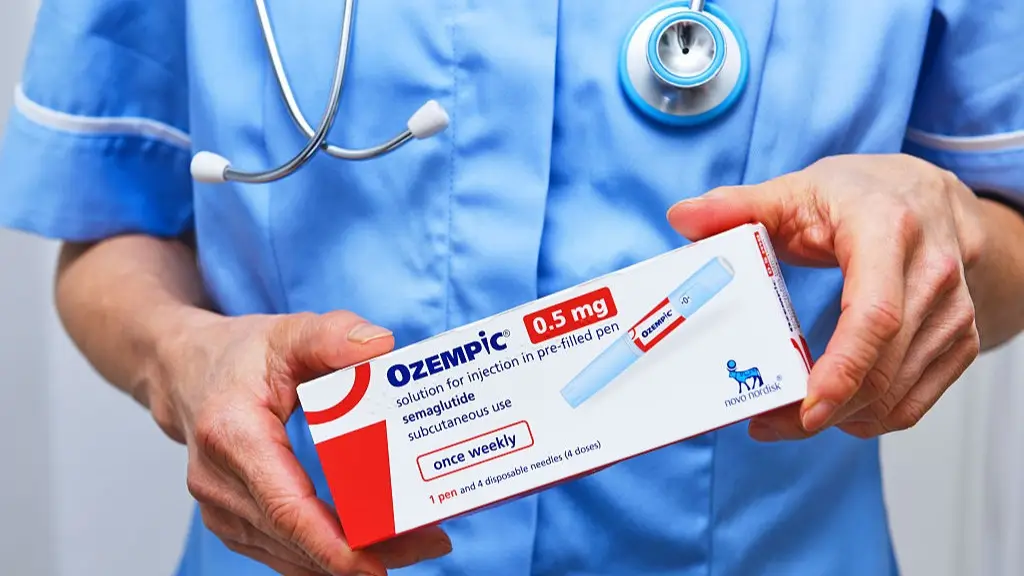
Doctors warn of ‘Ozempic aftermath’ as simulation shows effect on body

Doctors have issued a stark warning to those taking weight loss drugs, as it may have the potential to change your face, as well as your body.
Ever wanted to see what the inside of a human body looks like? Keep scrolling.
'Ozempic aftermath' is apparently a real term that is now being used for people experiencing a specific set of issues caused by GLP-1 drugs to slough off the weight.
Ozempic has recently become the drug of choice to take numbers off the scale, but it’s not actually meant to be used this way.
Advert
According to the official website, Ozempic 'is not a weight loss drug', and it’s actually 'a medicine for adults with Type-2 diabetes.'
However, Ozempic has been making headlines in the years since it started becoming the go-to weight loss aid for celebrities in both the UK and the US, leading to some uncomfortable reactions that have been brought to life in the form of an icky simulation.
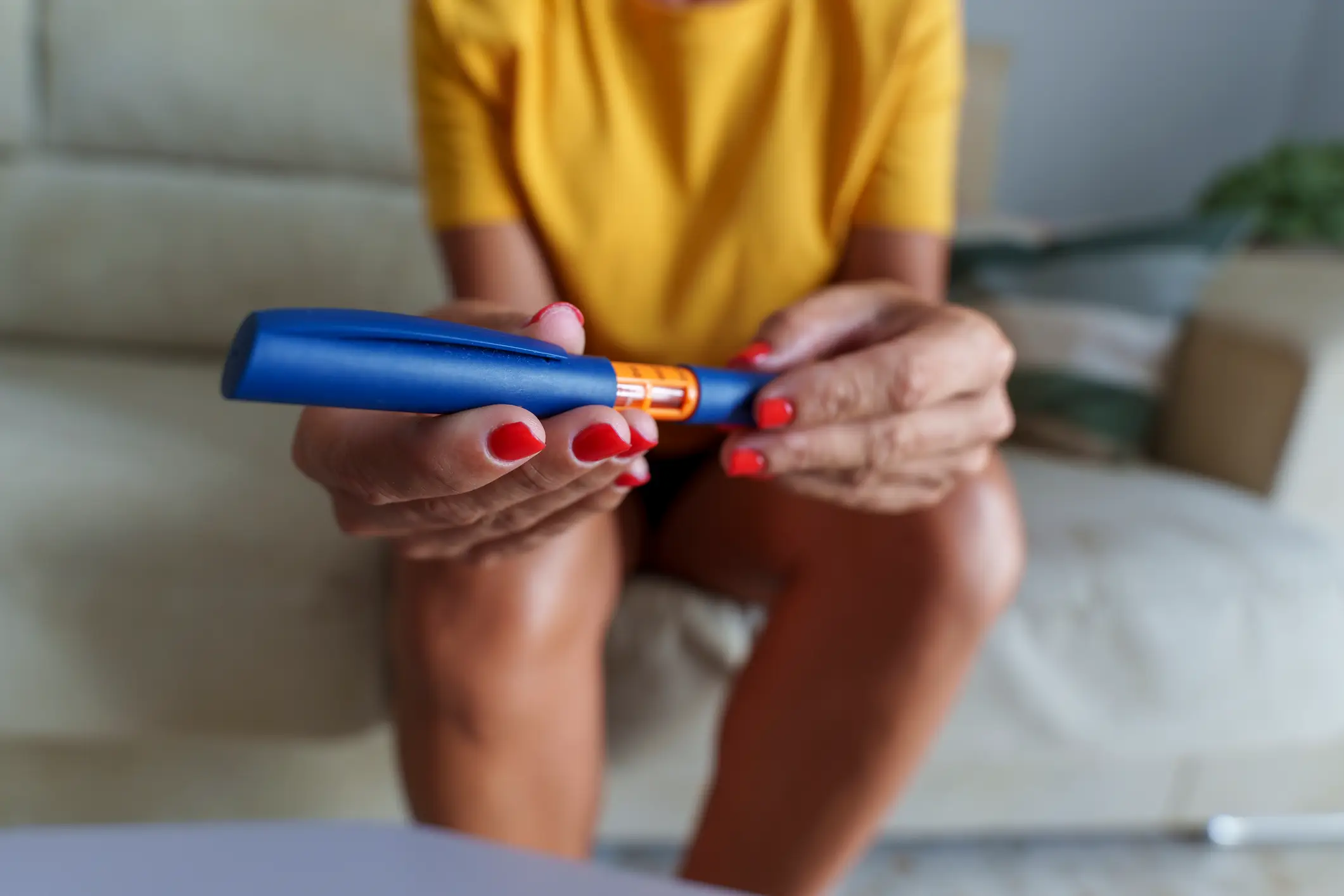
Dr Emma Cunningham and Dr Sepideh Jalali have claimed that patients who are using Ozempic are reporting various issues.
Dr Cunningham, an advanced aesthetics specialist at Dr Emma Clinics, told The Sun that her customers have experienced something known as 'GLP-1 Face'.
It relates to concerns surrounding loose skin in the face and body area, believed to be part of the 'Ozempic aftermath'.
"Fat loss in the face, torso, and arms can leave the skin looking loose and deflated," she warned.
"Although some might think this is a positive outlook on successful results, it can leave individuals feeling self-conscious about their appearance as their natural body contours are no longer there."
Dr Sepideh, a dentist at The Tooth Club, added that 'GLP-1 causes changes in the way food is processed by the stomach'.
As well as causing nausea, she said: "Many are unaware that a hidden side effect of changing dietary habits and the body's reaction to meditation can cause dry mouth, which can lead to plaque buildup and a high risk of tooth decay.
"Being linked to 'Ozempic face' inducing changes to the mouth, teeth, gums and surrounding facial structures due to the rapid weight loss in the fat pads in these areas.
"The drop is caused by skin sagging, creating an appearance of hollow cheeks or a prematurely aged look."
So, if you want to see an actual visualisation of what using Ozempic can look like, Zack D. Films has got you covered.
Over on YouTube, the content creator has shared a simulation video of what sort of side effects come with taking Ozempic medication.
"Once Ozempic is in your bloodstream, it activates the parts of the brain that make you feel full, reducing your appetite," he said in the clip.
"It also stabilises your blood sugar, stopping sudden cravings. Then it slows down how fast your stomach empties food, which keeps you feeling full for longer after a meal.
"This causes you to lose weight as you eat less. But it can make some people feel sick and even give them diarrhoea."

Novo Nordisk, Ozempic's manufacturer, previously spoke to LADbible Group about the effects, noting its use and safety protocols for users.
A spokesperson said: "Wegovy®▼ (semaglutide injection) and Ozempic® (semaglutide injection) are prescription only medicines and require a healthcare professional to prescribe under strict supervision. Treatment decisions should be made together with a healthcare provider who can evaluate the appropriateness of using a GLP-1 based on assessment of a patient’s individual medical profile.
"Patient safety is of the utmost importance to Novo Nordisk. We continuously collect safety data on our marketed GLP-1 RA medicines and work closely with the authorities to ensure patient safety. As part of this work we continue to monitor reports of adverse drug reactions through routine pharmacovigilance. Regarding safety, the most common adverse events among people treated with Ozempic® (semaglutide injection) for its indicated use, are gastrointestinal events including nausea, diarrhoea and vomiting. Most events were transient, and mild or moderate in severity and resolved without permanent treatment discontinuation.
"We recommend that any patients experiencing side effects while taking GLP receptor agonists including Wegovy® or Ozempic® report them to their healthcare provider and via the MHRA Yellow Card scheme: https://yellowcard.mhra.gov.uk/."
 Britt Jones