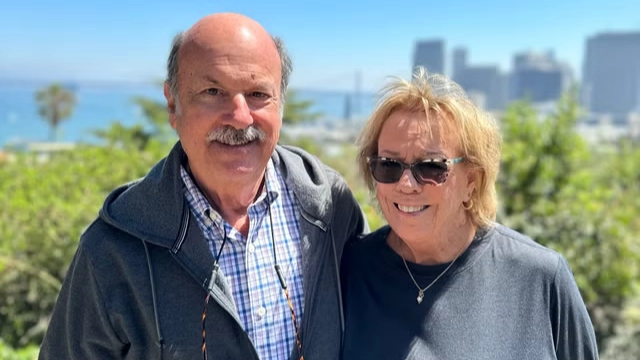
Ozempic and Wegovy users share terrifying 'dark side' of weight loss drugs

Ozempic and Wegovy users have warned about the 'dark side' of the popular weight loss drugs.
The GLP-1 receptor drugs, which were initially designed as treatments for Type 2 diabetes, have exploded in popularity since it was discovered that they led to significant weight loss in patients.
While Ozempic is only approved to treat type 2 diabetes, Wegovy, which also contains semaglutide, is approved for weight loss and is only available by a prescription.
The introduction of Wegovy onto the NHS, as well as the advertisement among celebrities and content creators mean that more people are taking them than ever, even in cases where they might be a long way from the strict health requirements that are needed to qualify for a prescription.
Advert
Although the side effects that are associated with the drugs have long been publicised, more than 4,000 Americans have now filed lawsuits against the pharmaceutical companies responsible for producing the drugs after suffering life-changing illnesses and even death after starting medicines such as Ozempic and Wegovy.
'The worst part is that I can no longer see my beautiful wife’s face again'
Todd Engel, a 63-year-old grandfather from Maryland, was left legally blind after developing the rare condition non-arteritic anterior ischemic optic neuropathy (NAION) in both eyes.
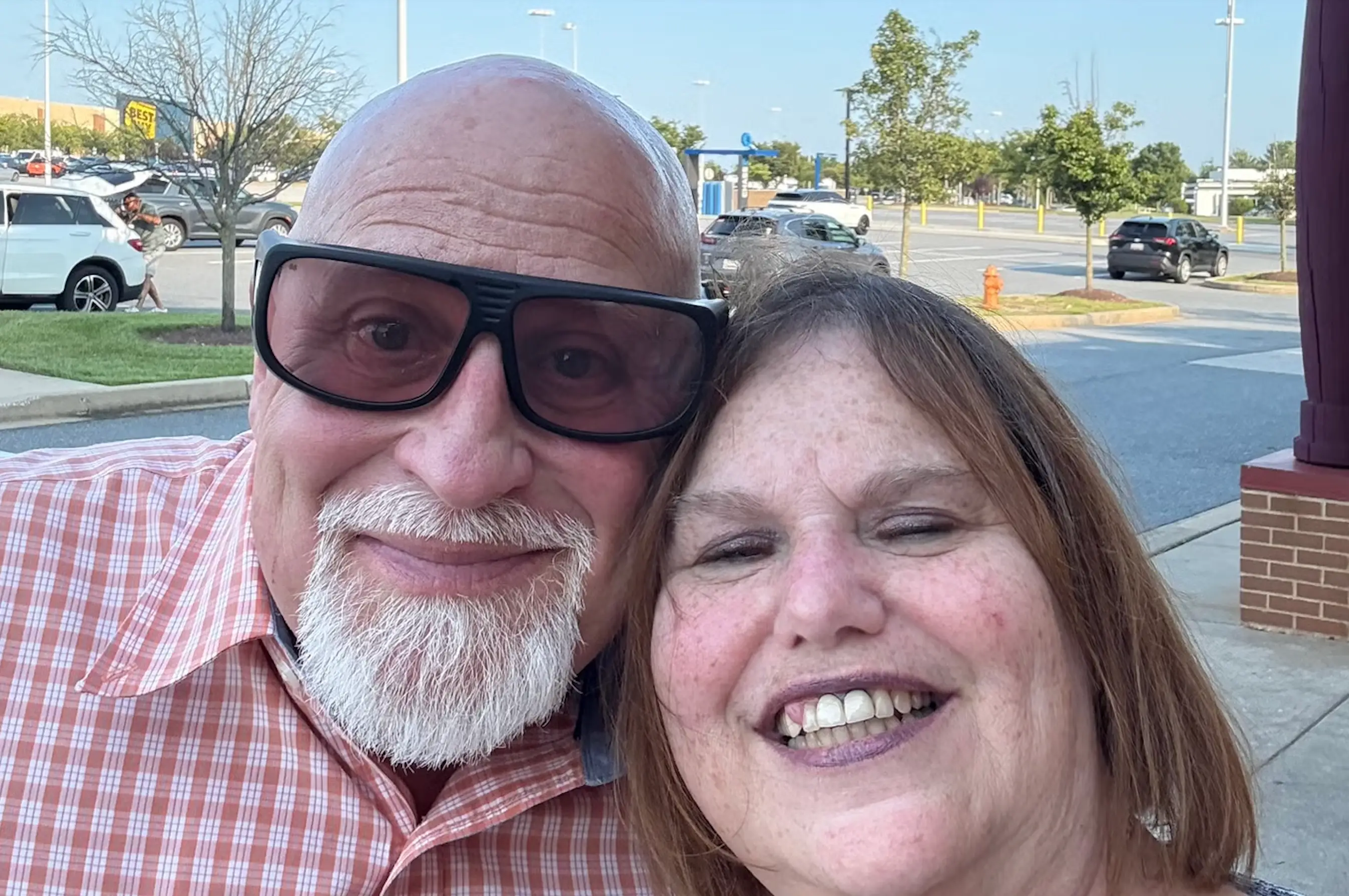
The former truck driver went on Ozempic in the spring of 2023 for type-2 diabetes and lost vision in his right eye on New Year’s Eve. His eyesight went in his left eye 10 months later, in October 2024.
Speaking to LADbible, Todd said: “The worst part is that I can no longer see my beautiful wife’s face again -- or the faces of my grandchildren. Had I known it could lead to sudden and permanent blindness, I never would have taken this drug.”
HIs attorney Jonathan Orent added: “Irreversible blindness is not side effect. It’s a life altering injury.”
In an interview with The Independent, his wife Shelley added: “It’s heartbreaking when our little grandkids have to take his hand and lead him around.
“He can't drive and he can't work, which is major, he can't play ball. It breaks my heart, but my life has changed. Our whole family's life, everything has changed completely. He can't play with our grandkids. Everything in our house has been rearranged and organised.”
'She didn't have any symptoms until a week before she died'
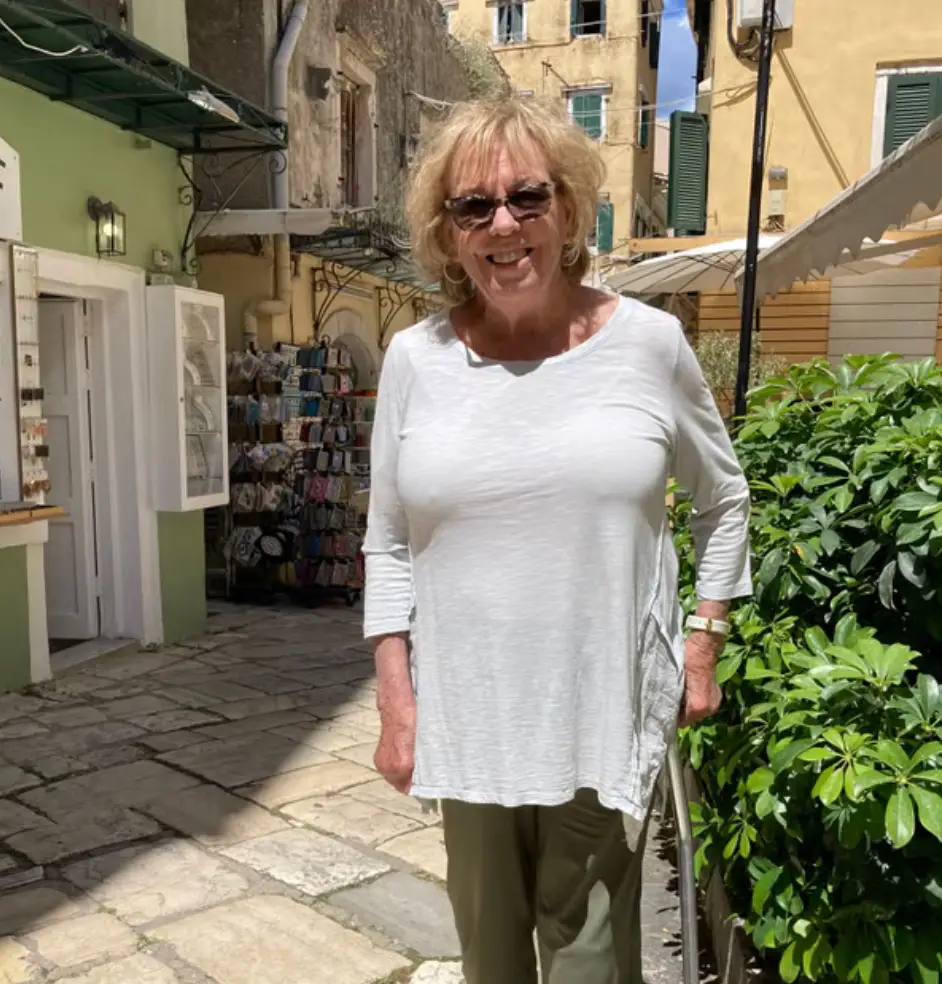
Todd isn't the only American to sue Novo Nordisk, the company which produces both Wegovy and Ozempic, with Diane Wirth also taking legal action after suffering NAION in her right eye, something which forced her to retire after more than 30 years as a nurse.
She said: “If someone would have told me there was a chance that a drug I was taking could make me blind, I would never, ever, have taken the first shot."
Meanwhile, Tracy Ettinghoff has filed a wrongful death lawsuit after his wife Marsha passed away six months after starting Ozempic, having fallen gravely ill while on holiday.
In 2024, Marsha decided to try and lose weight to fit into a 'beautiful dress' for their son's wedding.
“She didn't have any symptoms until a week before she died,” Ettinghoff told The Independent. “She started throwing up, and one week later she was dead.”
He went on to say that he 'didn't think that she needed it, but she wanted to be on it', adding the weekly shots didn't appear to make much difference to her weight loss, but she continued to take them without experiencing any adverse side effects.
“We believe that Mrs. Ettinghoff’s premature death was substantially caused by her use of GLP-1s and the adverse reactions associated with them,” his attorney Jonathan Orent of Motley Rice added. “We believe that sufficient warnings would have prevented this tragic death from ever happening.”
Novo Nordisk's response
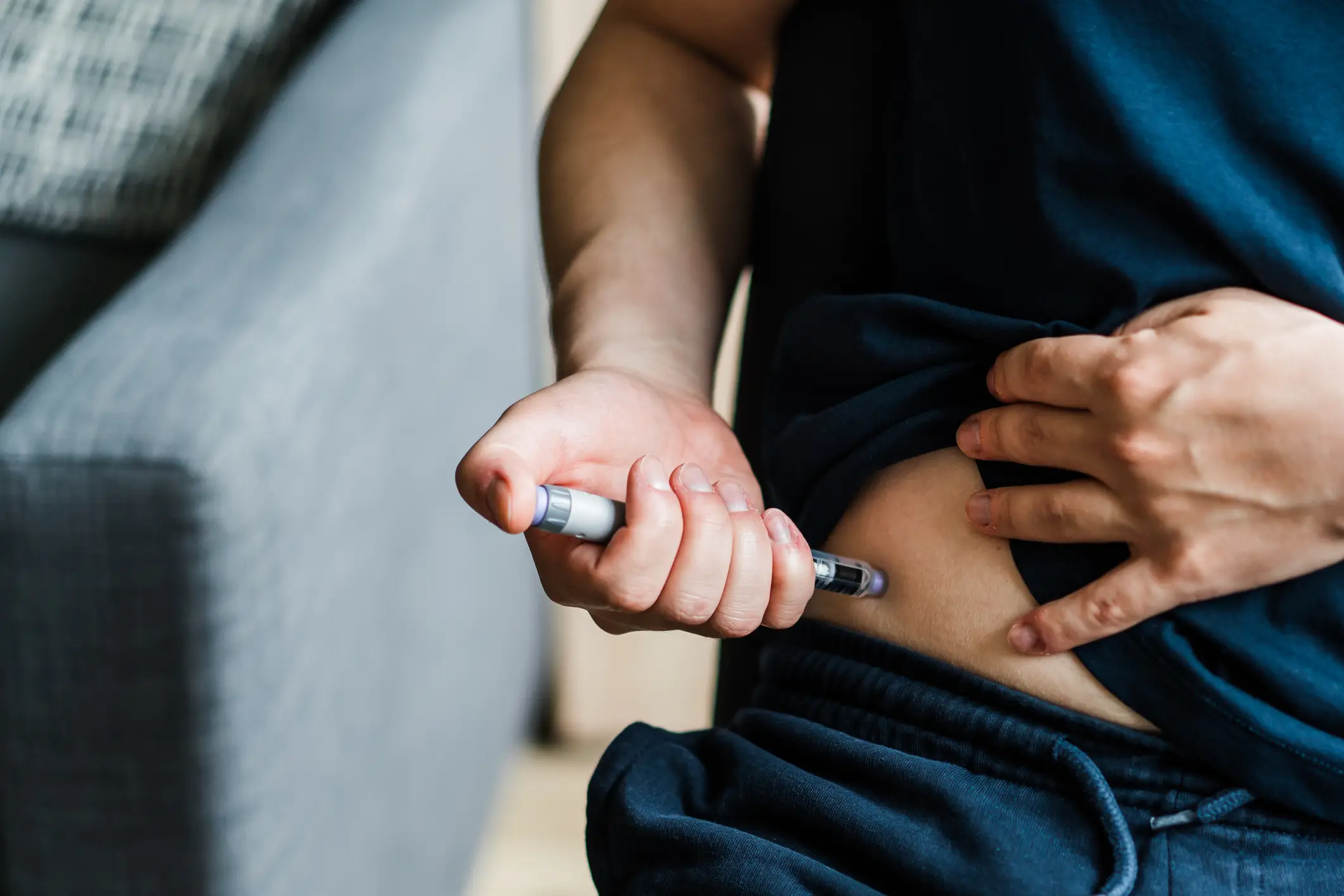
Speaking to LADbible, a Novo Nordisk spokesperson said: "Patient safety is our top priority, and we take any reports about adverse events from the use of our medicines very seriously. We work closely with authorities and regulatory bodies from around the world to continuously monitor the safety profile of our products.
"The EU SmPC and patient leaflets for Wegovy®▼, Ozempic® (semaglutide injection) and Rybelsus® (semaglutide tablets) have been updated to include "Non-arteritic anterior ischemic optic neuropathy (NAION)" and under section 4.4 'Special warnings and precautions for use' and as an adverse drug reaction in section 4.8 'Undesirable effects' (frequency: very rare, meaning it may effect up to 1 in 10,000 people taking semaglutide).
"Based on the totality of evidence we concluded that the data did not suggest a reasonable possibility of a causal relationship between semaglutide and NAION and Novo Nordisk believes that the benefit-risk profile of semaglutide remains favourable.
"We recommend that any patients experiencing side effects while taking our medicines report them to their healthcare provider and in the UK, use the MHRA Yellow Card scheme: https://yellowcard.mhra.gov.uk/."
What are the side effects of Ozempic?
According to Ozempic.com, the most common side effects of taking Ozempic are:
- Nausea
- Diarrhoea
- Abdominal pain
- Constipation
- Vomiting
What are the side effects of Wegovy?
Wegovy.com lists the following as potential side effects, which also include vomiting, nausea, and diarrhoea, as well as:
- Headache
- Dizziness
- Fatigue
- Heartburn
The website goes on to say: "Tell your healthcare professional if you have any side effects that bother you or do not go away."
 James Moorhouse