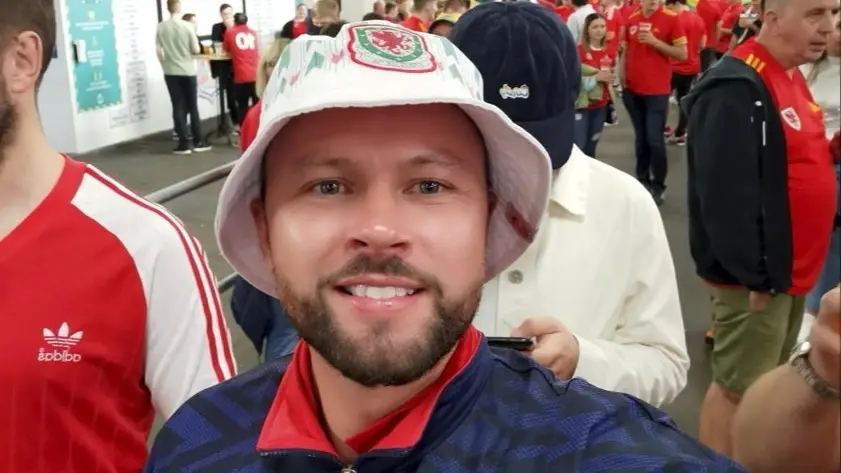
Man's pins and needles turned out to be sign of brain tumour

A Welsh man had no idea his pins and needles were actually a sign of an aggressive brain tumour the size of a golf ball.
In October 2023, Matt Collins was rushed to Prince Charles Hospital after he'd lost the use of his left arm while he was at a music festival with his girlfriend. Unbeknownst to him, he was suffering from a stroke.
In the days prior, Matt had been experiencing pins and needles, but 'didn't think too much of it'.
Matt has also been experiencing 'thunderclap' headaches and seizures since July that year, and had been waiting for an MRI scan.
Advert
Following his stroke, he was dealt the devastating news that he had a glioblastoma, the most aggressive form of brain tumour, as doctors told him he had just 12 to 18 months left to live.
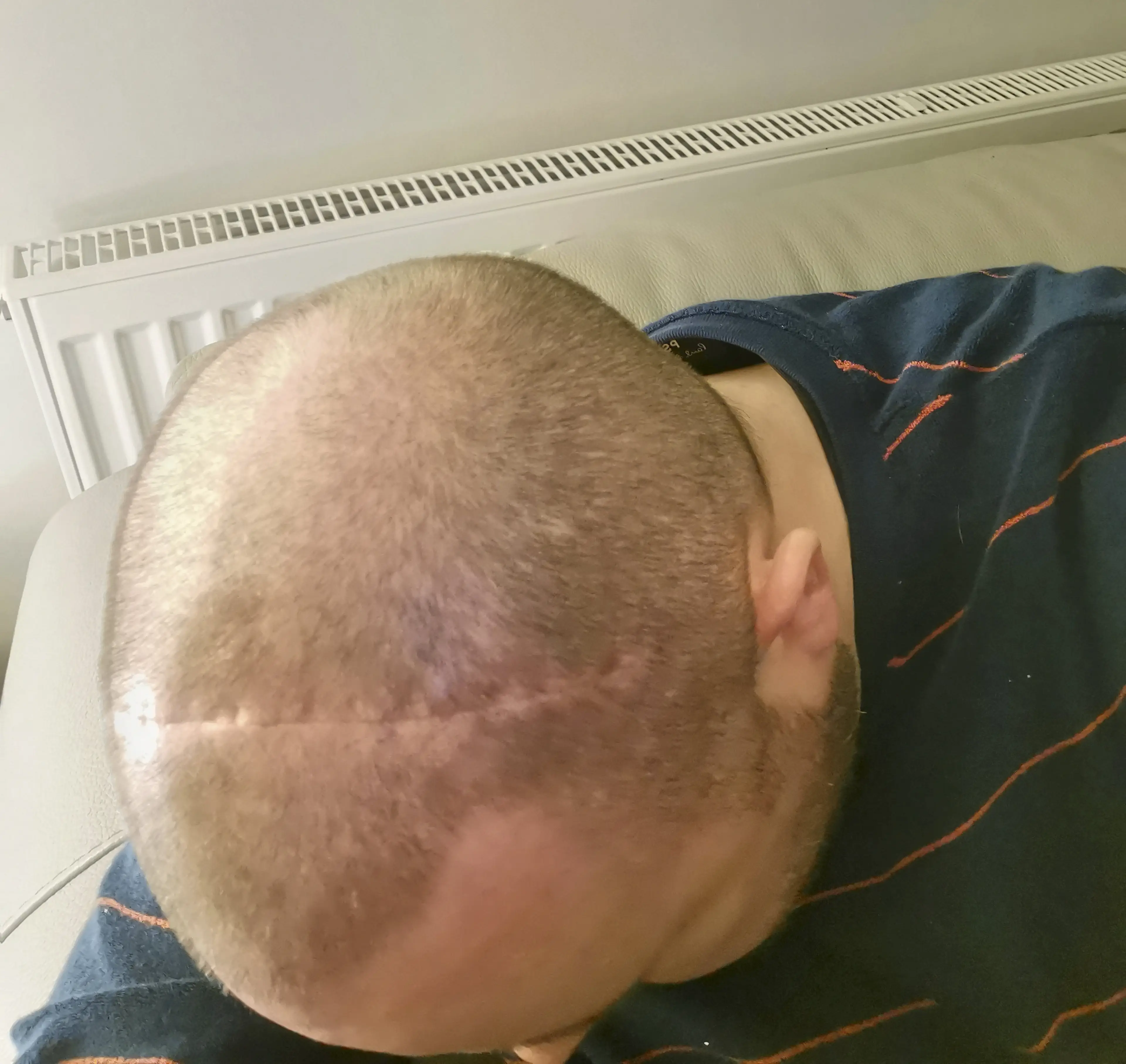
The communications professional from Rhondda Cynon Taf underwent chemotherapy, but is now seeking treatments elsewhere in the world.
"A few days before the stroke, I’d had pins and needles, but I didn’t think too much of it," Matt recalled, adding that his arm stopped working.
He admitted: "When they told me I had a glioblastoma the size of a golf ball, my whole world changed.
"It was a good job I was sitting down when they said I had a brain tumour as I felt my legs turn to jelly.
"My dad was with me, and he was shaking. Neither of us knew what having a brain tumour meant."
Despite surgeons at the University Hospital of Wales in Cardiff managing to remove the tumour in 2023, it has since grown back.
"My MRI in July showed recurrence, and I went through three more rounds of chemotherapy. My left arm stopped working again," he said.
While he first thought it was due to the chemo treatment, he went on: "My recent MRI in November confirmed that the chemotherapy has had no impact and my tumour is still growing.
"With no cure and limited treatment options, I don’t know what the future holds."
Brain tumour treatments are limited despite progress being made in the medical world. The condition kills more children and adults under 40 than any other cancer.
Only a select few UK patients have access to personalised immunotherapies, targeted drug trials and clinical trials, as many have no choice but to pay for treatments themselves.
Matt was able to receive DcVax-L, a personalised vaccine available privately in the UK for £100,000, thanks to a fundraiser.
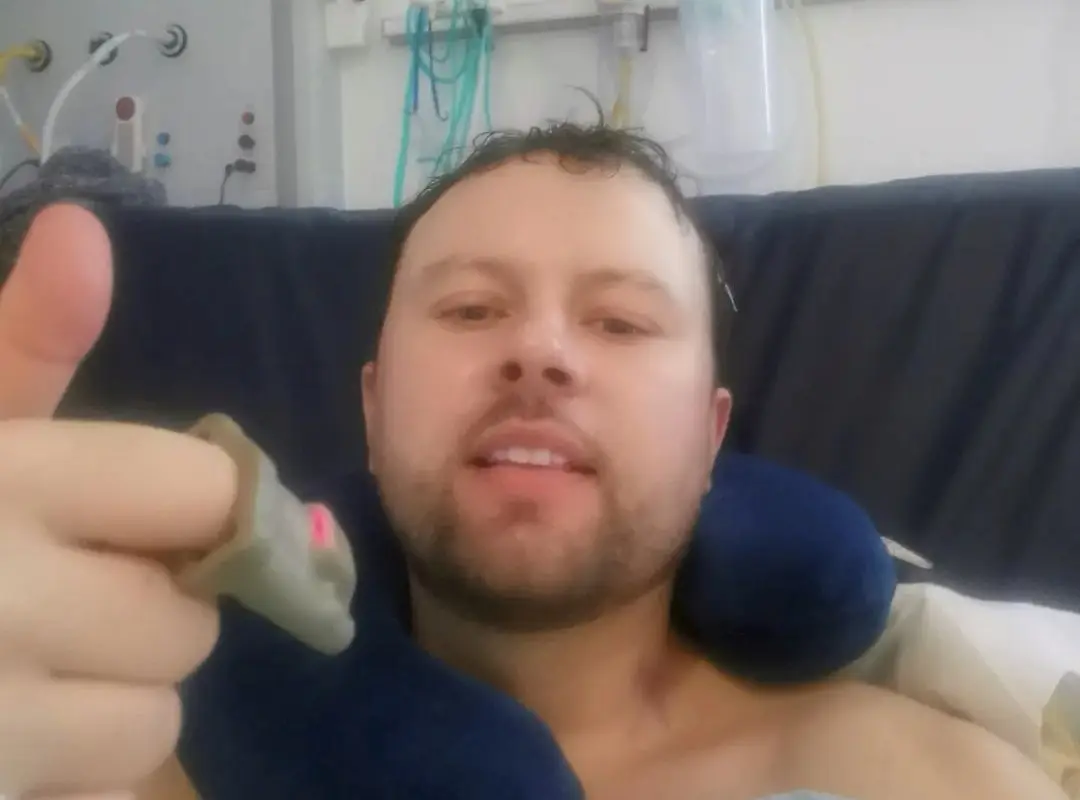
He explained: "I was only able to have the DcVax-L because of the random kindness of strangers.
"Without them I’d never have raised the £100,000 needed."
But he's only been able to have four doses, as his tumour tissue wasn't stored correctly.
Like many others, Matt is looking for treatment abroad, specifically Germany, as there is a treatment there which costs £16,000 for each cycle to be repeated every two months.
The Welshman admitted that it was 'deeply frustrating' that Europe and the US offered treatment options which weren't as accessible on the NHS.
"Why isn’t the UK doing the same? The NHS needs to be brought up to speed; more needs to be done,” he stated.
According to data from Brain Tumour Research, just one percent of the national spend on cancer research goes on brain tumours.
Dr Karen Noble, director of research, policy and innovation at the non-profit, claimed that Matt's story is an example of the 'devastating reality' faced by many across the UK.
"Just five percent of patients with brain cancer are on a clinical trial in this country - compared to much higher proportions in other cancers," she pointed out.
If you’ve been affected by any of these issues and want to speak to someone in confidence, contact Macmillan’s Cancer Support Line on 0808 808 00 00, 8am–8pm seven days a week.
 Joshua Nair