Experts say prostate cancer screening should not be offered to most men in the UK

Health experts have recommended that mass prostate cancer screening should not be made available to men across the UK.
According to statistics from Cancer Research UK, prostate cancer is the most common cause of cancer in men while Prostate Cancer UK estimates that one in eight men will get prostate cancer within their lifetime.
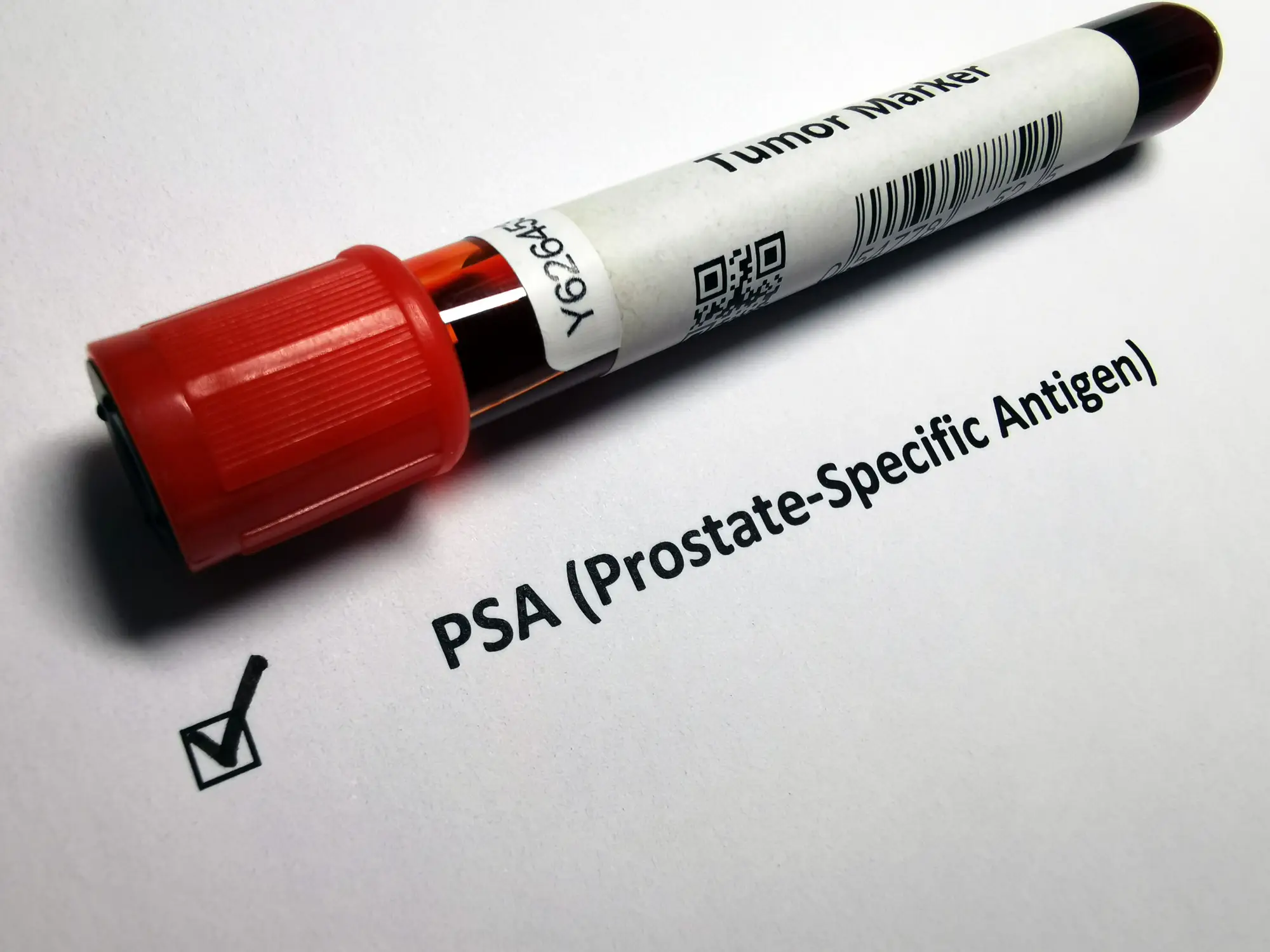
However, a draft recommendation from the UK National Screening Committee (UKNSC) has advised the government that wide scale screening for the cancer, using the prostate-specific antigen (PSA) test, is likely to cause more harm than good.
Instead the committee advises that men between 45 and 61 who carry the BRCA1 and BRCA2 genetic mutations, which carries a higher risk of prostate cancer, should be screened every two years.
Advert
A 12-week public consultation period on the draft guidelines was opened yesterday (28 November).
The recommendation comes as health experts are waiting for the results of an ambitious trial which aimed to see if combined PSA tests, rapid MRI scans and genetic tests would yield better diagnostic results then current procedures in place.
The UKNSC said the study 'might help fill evidence gaps and inform future modifications to the UK NSC’s prostate cancer screening recommendation'.
Speaking about the expected recommendation, Mike Richards, UKNSC chair, said: "We are committed to an evidence based approach. Whole population screening may lead to a small reduction in prostate cancer deaths, but very high levels of overdiagnosis mean the harms would outweigh the benefits."
PSA tests aren't considered to be the most reliable form of prostate cancer, with Macmillan Cancer Support noting that men with elevated levels of PSA don't necessarily have prostate cancer and could undergo treatment they don't need.
The UKNSC has also stated that it would not recommend targeted screening for Black men - who have double the risk of developing prostate cancer - or men who have a family history of the disease.
The expected ruling has since caused backlash among high profile figures who've received treatment for prostate cancer, with people such as David Cameron and retired Olympian Sir Chris Hoy expressing their disappointment over the decision.
"I am extremely disappointed and saddened by the recommendation announced by the National Screening Committee today to rule against national screening for men at high risk of prostate cancer," cyclist Hoy, who revealed his cancer was terminal last year, said.
"More than 12,000 men are dying of prostate cancer every year; it is now the UK's most common cancer in men, with Black men at double the risk, along with men with a family history, like myself.
"Early screening and diagnosis saves lives. I am determined to continue to use my platform to raise awareness, encourage open discussion, raise vital funds for further research and support, and to campaign for change."
While the former prime minister wrote on X: "I am disappointed by today's recommendation on prostate cancer screening from the National Committee.
"Targeted screening is a natural first step - but the recommendation today is far too targeted, not including Black men or men with a family history, both high-risk groups."

He continued: "Prostate cancer is the most common cancer among British men. We are letting down too many men if we don't push for a wider screening programme that includes all high-risk groups - and not just the men involved, but their families too, who risk losing a loved one unnecessarily. As I know all too well, prostate cancer can be symptomless early on.
"That's why screening is so essential - catching the cancers early when they can be more effectively and successfully treated, like in my own case."
 Brenna Cooper