Five key symptoms of lethal side effect as NHS issues warning over sertraline

The NHS has warned of a potentially lethal side effect to a commonly prescribed antidepressant, sertraline.
Recent figures show that in 2024, more than 24.4 million items of the SSRI medication were issued by pharmacies in England, making it the most commonly prescribed antidepressant.
It is only available on prescription, and is used to treat depression, anxiety, obsessive-compulsive disorder (OCD), post-traumatic stress disorder (PTSD), and more.
According to the NHS, the medication works by increasing the level of serotonin in the body (a chemical in the brain that controls mood).
Advert
The NHS warns: "Sertraline can sometimes cause more serious side effects, although most of them are rare."
Most side effects caused by the medication are mild; however, there is one severe potential condition, which could be lethal, called serotonin syndrome.

What is serotonin syndrome?
Serotonin syndrome, according to the Mayo Clinic, is a condition that can happen when high levels of serotonin build up in the body.
The chemical is needed in order for us to function, but too much is bad for us.
In fact, severe serotonin syndrome can be lethal if left untreated.
Combining medications that contain serotonin is a common cause.
Many medications also include serotonin, such as those for migraines, and if taken alongside Sertraline SSRI tablets, can cause it to build up to dangerous levels.
The NHS warns: "You should also not use the herbal supplement St John's wort when taking sertraline. Do not drink grapefruit juice while taking sertraline. It's also best to avoid drinking alcohol while taking sertraline because it can stop the medicine from working properly."
Using illegal drugs such as cocaine, MDMA, or amphetamines can also cause serotonin to build up, triggering the syndromes.
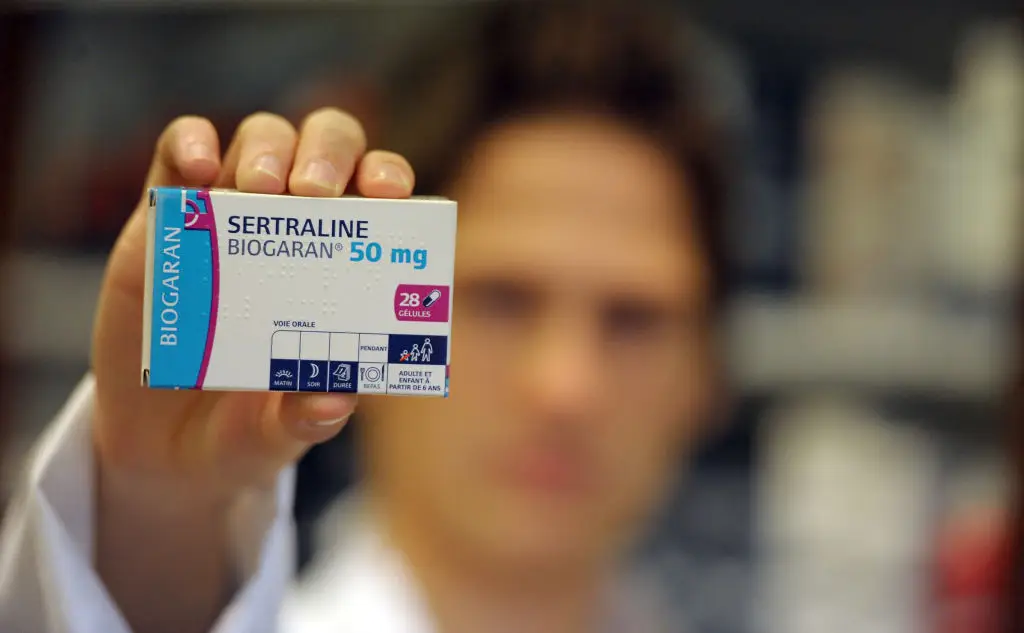
The five main symptoms of serotonin syndrome
Here are the five key symptoms to look out for, as they can be a sign that serotonin syndrome is developing.
- A fast heartbeat
- Sweating
- Shaking
- Twitching muscles
- Feeling confused or agitated
If you or a loved one is taking sertraline and experiences any of these symptoms, the advice from the NHS is to call 111 for advice.
Mild cases usually resolve themselves within 24 to 72 hours after you stop taking the medication which could be causing the overdose.
For more severe cases, treatment can include stopping all medications that include serotonin, and administering intravenous fluids, sedation, and sometimes serotonin blockers.
Topics: Health, Mental Health, NHS
 Jen Thomas