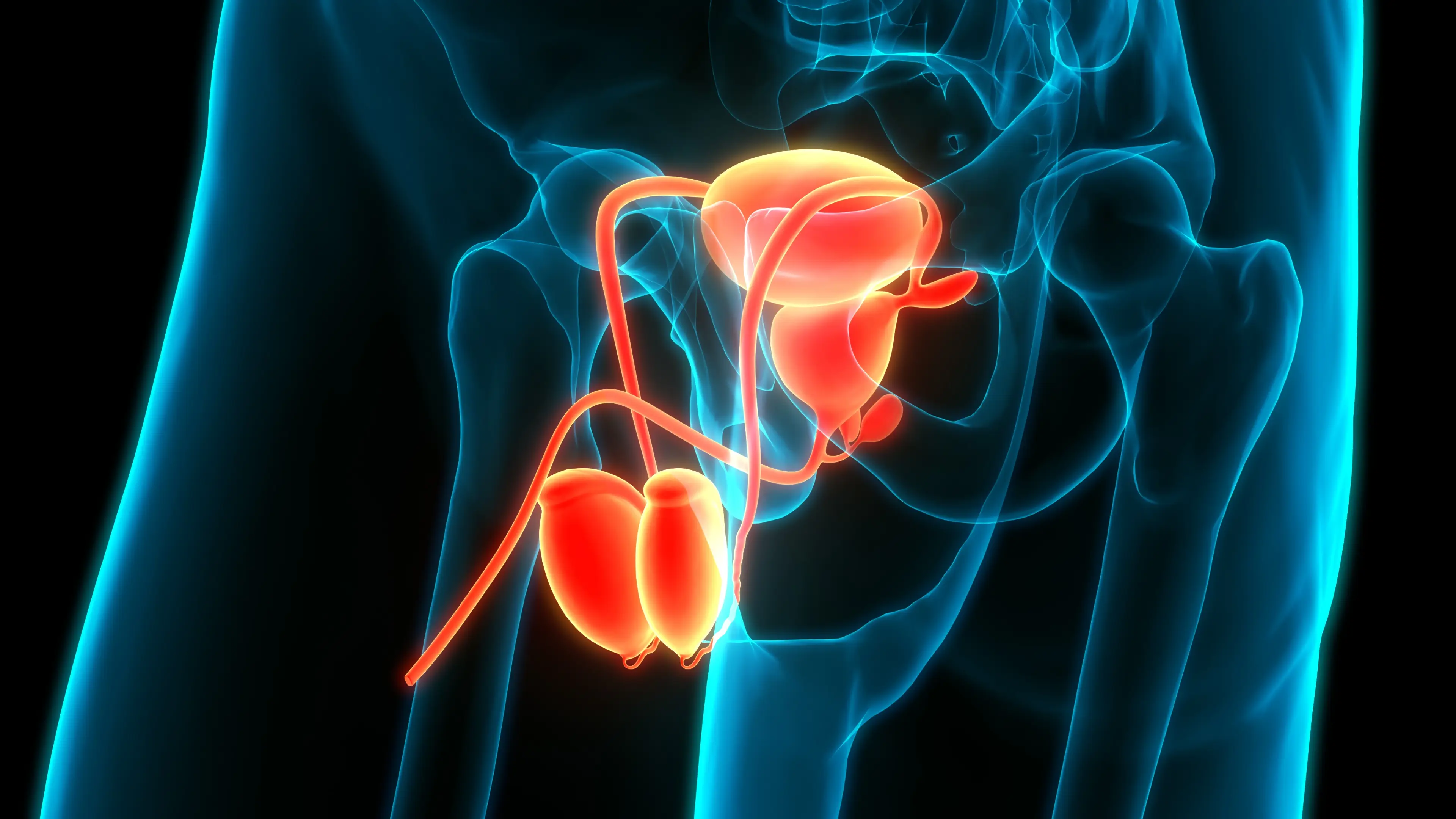
Extraordinary simulation shows what happens to sperm inside the body if not ejaculated

A simulation shows what happens to the sperm in a man's body if it's not ejaculated within a certain amount of time.
Men start producing sperm shortly after the point they get into double figures in age and keep doing it for the rest of their lives, and the stuff that gets produced doesn't stick around forever.
One of the main ways for the body to get rid of sperm is to ejaculate it out, but if, for whatever reason, someone isn't doing that, then the human body has other ways for it to work.
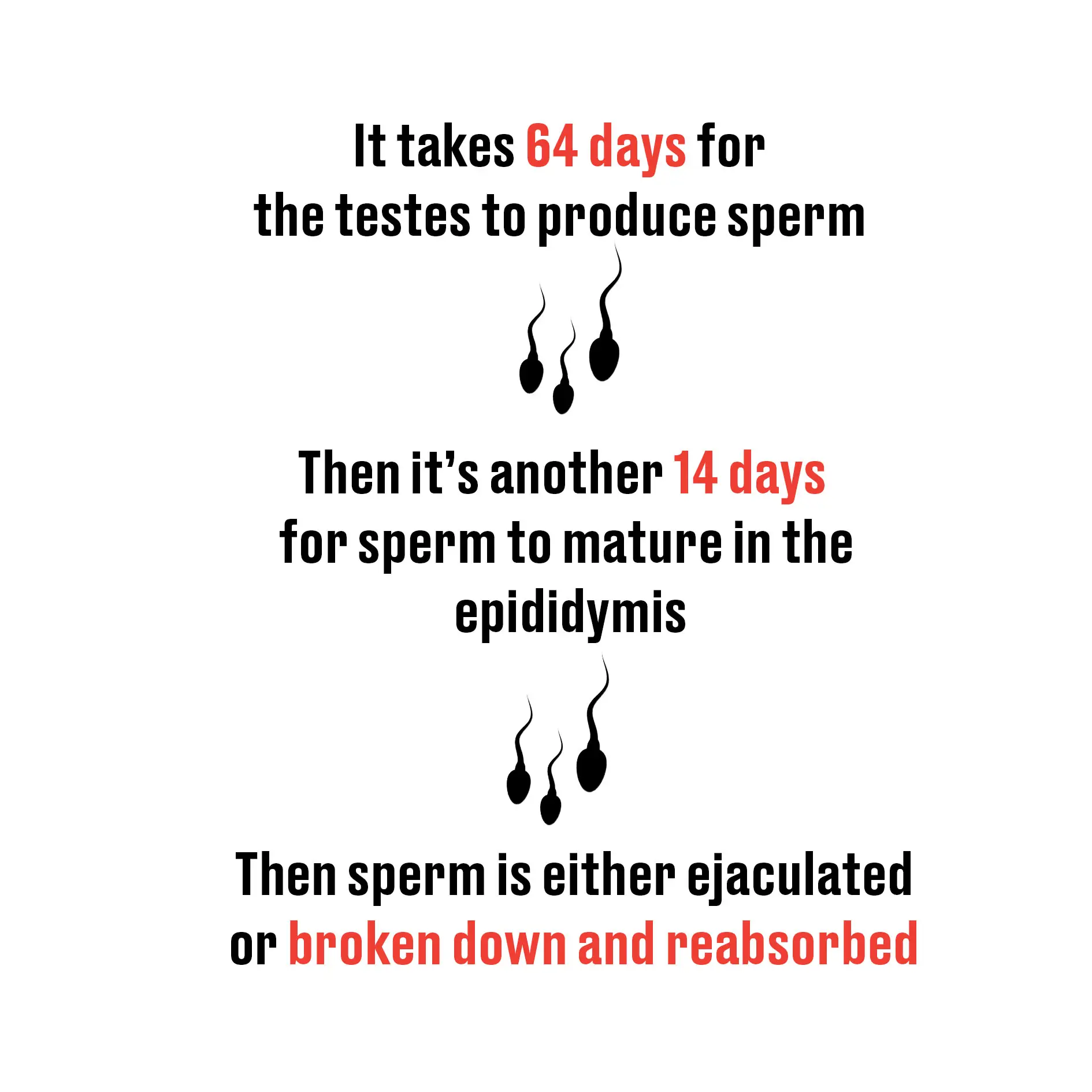
Depending on where it is, sperm can stay alive for differing amounts of time, and they live longest when they stay at home in the testicles for around two-and-a-half months.
Advert

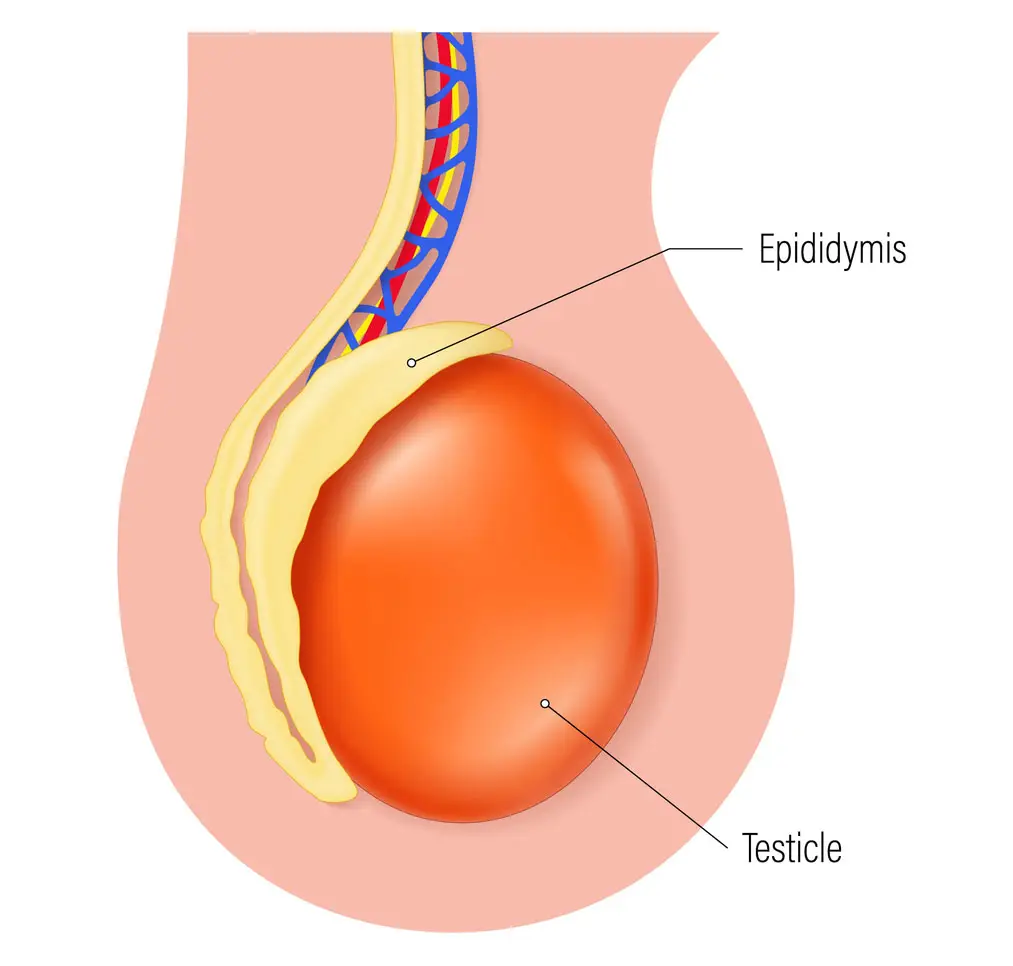
A simulation on the YouTube account Dr Smurf claims to show how this process works: a tube connected to the testicles, called the epididymis, has a lining that breaks down old sperm.
It says the protein and nutrients from dead sperm get reabsorbed and then repurposed to build other cells in the body, including new sperm cells, which is also what the Cleveland Clinic says.
That all sounds like a very sophisticated recycling system which gets rid of the old, dead sperm and takes what they used to be to make new stuff.
After all, semen and sperm contain structural components such as enzymes, zinc, and fructose. And if sperm isn't reabsorbed into the body, then it can be released via a nocturnal emission, or wet dream, according to Medical News Today.
It's just one of the many wonders of the human body and the way it all works with complicated systems.
Heathline notes that there don't appear to be any health risks associated with not releasing sperm via ejaculation, but you might still want to do that for a number of reasons, one of which is more obvious than the others, but among those extra reasons is the research into the link between not ejaculating and an increased risk of prostate cancer.
There are many factors which can contribute to the risk of cancer, and a Harvard study found that among men who ejaculated most each month, their risk of prostate cancer was 31 percent lower.
An extensive study of almost 30,000 men collected 'comprehensive health and lifestyle data' on them for eight years and found that men who ejaculated 21 times or more in a calendar month had a lower risk of prostate cancer compared to those who only blew their beans around four to seven times a month.
The researchers said: "The results held up to rigorous statistical evaluation even after other lifestyle factors and the frequency of PSA testing were taken into account."

Experts are not sure exactly why it works, but theories put forward have suggested that harmful chemicals might build up in semen, which the body might then absorb if they are not expelled in the more pleasurable manner.
There's still so much to learn.
Topics: YouTube, Health, Science, Cancer, Sex and Relationships
 Joe Harker