
Study explains whether drinking alcohol or smoking weed does more long term damage

A study has delved into the long-term effects of alcohol and cannabis, listing how a person can be impacted by use of the substances over time.
Many simulations have depicted what can happen if you smoke weed everyday, but the reality is that there are a number of health risks which are associated with the Class B drug.
In comparison to other drugs such as ketamine and cocaine, though, the vast majority agree that weed is a lot 'safer' to consume.
As for alcohol, while perfectly legal and readily available at your nearest boozer or supermarket, several serious health complications are linked to the substance, as per several in-depth studies over the years.
Advert
If you were to ask someone like Snoop Dogg about which of the substances was worse, you'd be led to believe that cannabis is less harmful in the long-term, but how true is this claim?
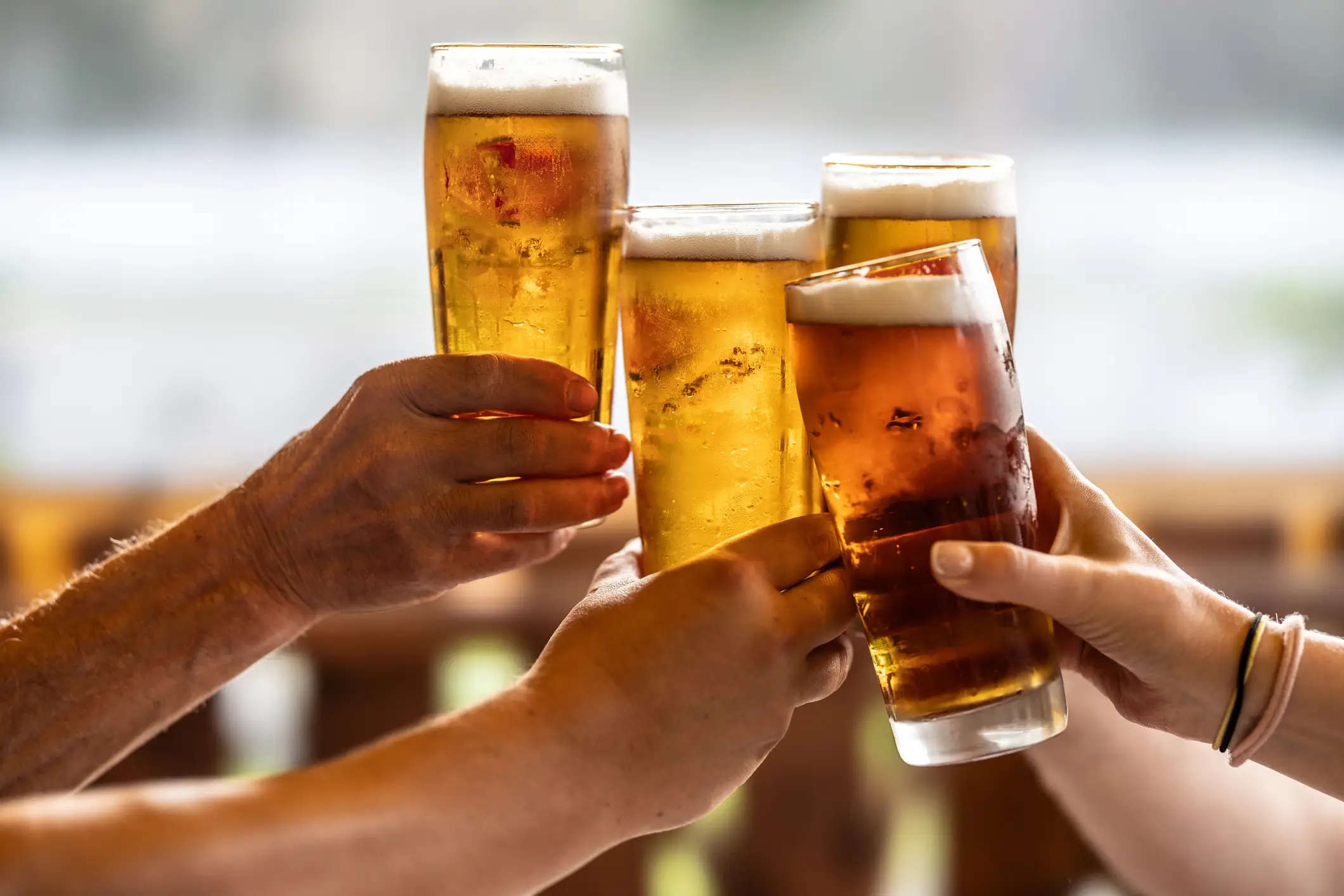
What are the long-term effects of alcohol?
While having a pint or two every now and then is okay, but if you're regularly having over 14 units per week, this is when you start putting your health at risk.
The NHS list some of the long-term effects which come with alcohol misuse, some of which include stroke, liver disease, pancreatitis, high blood pressure, numerous cancers and a number of mental health issues.
It can also cause damage to the brain, with the Royal College of Psychiatrists saying that alcohol can affect brain chemistry and increase the risk of depression, panic disorder, and impulsive behaviour.
The substance can also cause issues in the heart, pancreas, and kidneys over time, while also weakening your immune system.
What are the long-term effects of cannabis?
According to a 2016 study published in the International Journal of Drug Policy, most long-term adverse effects of cannabis are milder than those brought on by alcohol.
It's highlighted that these are not as well understood due to there simply being fewer daily cannabis smokers than daily drinkers, while few daily cannabis users have smoked for decades, with studies on this remaining scarce.
Smoking weed has more of an effect on the lungs, while from a mental health point of view, you are more likely to develop psychotic symptoms and schizophrenia compared to alcohol.
According to Anthony et al. (1994), it is argued that the risk of developing dependence on cannabis is much smaller than the comparable risks for alcohol, nicotine or heroin, with health and social consequences of the drug far less serious too.
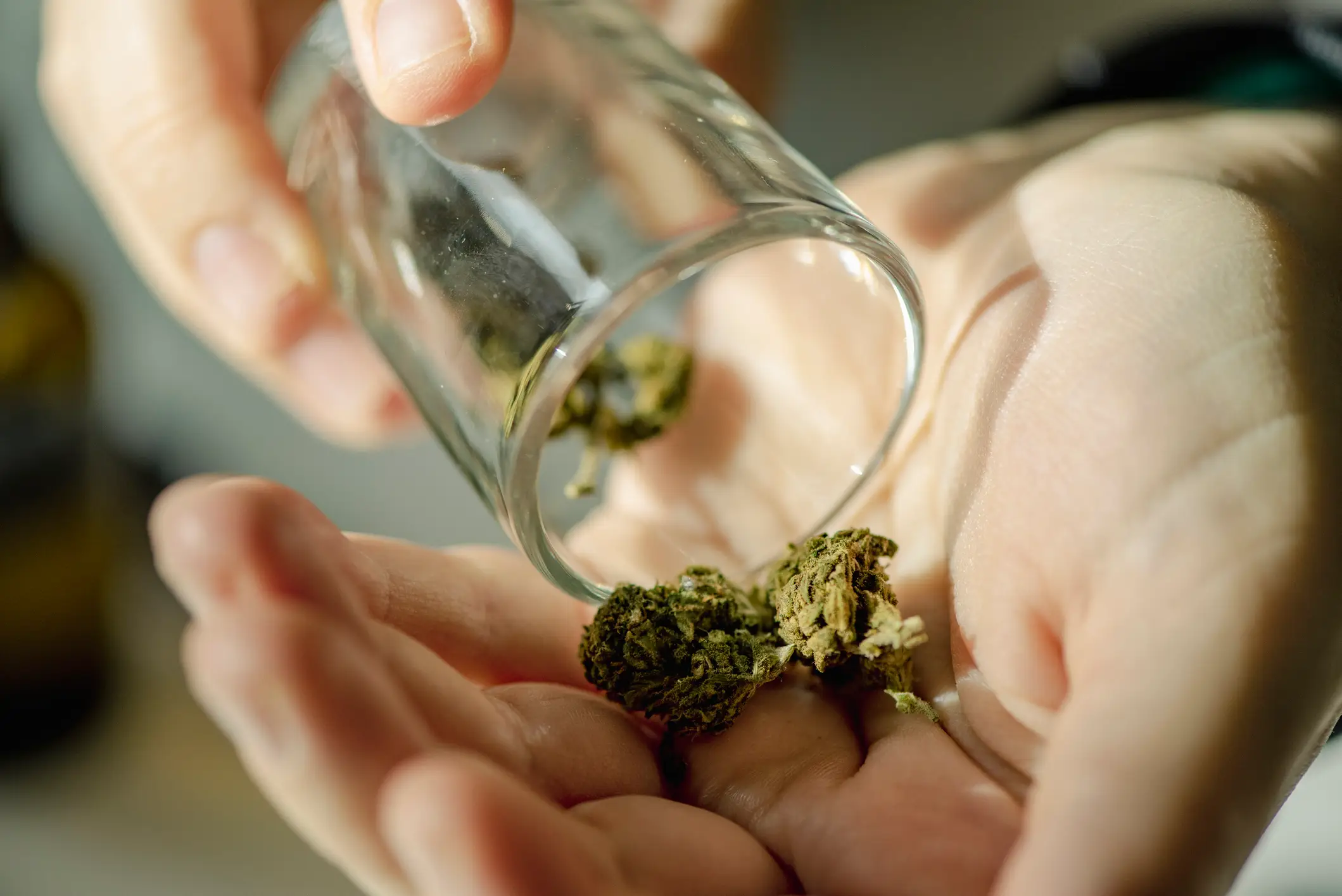
Is smoking weed worse than drinking alcohol?
It's the question on everyone's lips, as there wasae belief in the late 20th century that regular cannabis smoking could affect the respiratory systemsimilarlyr to tobacco smoke.
It has since been found in case-control studies that higher rates of chronic bronchitis have been found in regular weed smokers, including those who do not use tobacco.
While psychotic symptoms have been linked with cannabis use, this is one of the known adverse effects of the drug, especially if you smoke from a young age, compared to the overarching health effects of alcohol.
Advocates of cannabis use often highlight that the drug isn't known to cause fatal overdoses, due to it not having depressant effects like alcohol and even opioids.
In fact, according to Asbridge, Hayden, & Cartwright (2012), cannabis intoxication only modestly increases road accident risk, compared to alcohol.
It should be noted that these findings are yet to be proved true by further evidence, with there simply not being enough data and legitimate studies to draw a straightforward conclusion.
Topics: Alcohol, Drugs, Health, Mental Health
 Joshua Nair