
Woman with same 'cursed' muscular disease as Jesy Nelson's twins opens up on life after beating survival odds

Many people had never heard of Spinal Muscular Atrophy, or SMA, until Jesy Nelson bravely shared her twin daughters' shock diagnosis.
The former Little Mixer admitted she was grieving the life she thought she would have with her girls, Ocean and Story, after learning they would be physically disabled, unable to walk or hold their own heads up, even after receiving revolutionary treatment to save their lives.
In the heart-wrenching video, Jesy shared that her seven-month-old twins had been diagnosed with SMA type one, the most severe muscular disease a child can have.
They have received lifesaving treatment which would save any muscles that are still functioning.
Advert
While the 'Boyz' singer takes time to come to terms with her children's diagnosis, one woman has shared what life is really like living with SMA as she shares a message of hope for Jesy and her family.

Kartier Rose Pemberton wasn't expected to make it into childhood when she was diagnosed with 'floppy baby syndrome', as it was called back in the 1990s when she was just 18 months old, after her mum Larysa noticed she was unable to stand or hold her head up properly.
With revolutionary treatment like Zolgensma, the gene therapy Jesy's daughters have received, not being available when Kartier was a baby, Larysa was told to prepare to say goodbye to her daughter.
Now 28, Kartier has defied all the odds, and when she turned six years old, she and her mum moved from their native Ukraine to the UK, where Kartier was re-diagnosed with SMA type two and told she likely wouldn't reach her teenage years.
"There were no treatments around back then and we never thought we’d ever get to live in a time where one would be brought out," she told LADbible.
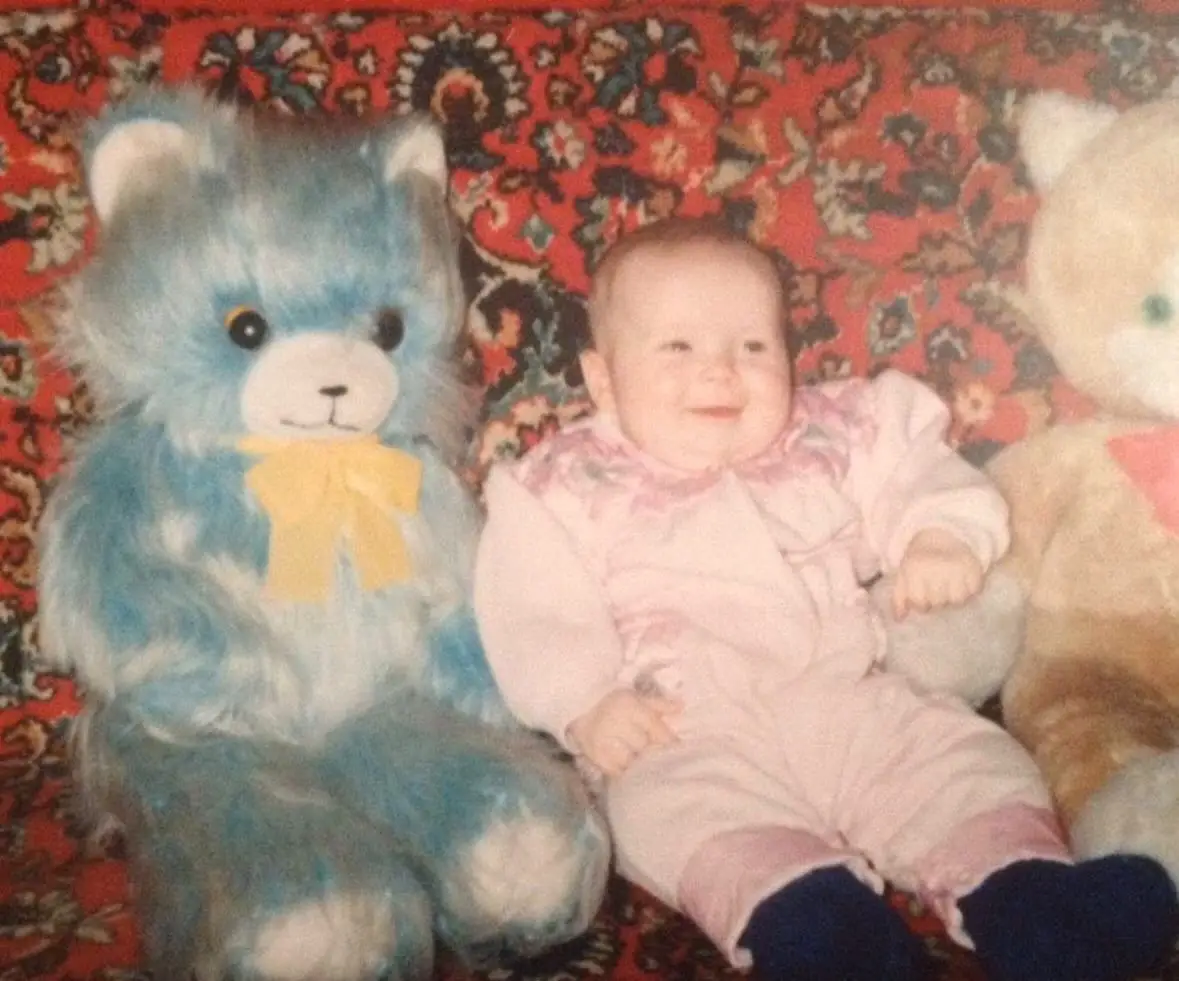
Back then, Larysa faced an uphill battle to advocate for her daughter and was even told by her family to give the then-toddler up to an orphanage.
"My mum did everything to give me a better life," Kartier said.
"There’s no one stronger than the mum of a disabled child."
The 28-year-old has been receiving treatment for SMA for around five years, in the form of Risdiplam, the first oral medication for SMA, which works by targeting a 'back-up' gene to increase the production of the essential survival motor neuron (SMN) protein throughout the body.
Prior to that, Kartier underwent surgery to correct scoliosis, which is one of the main symptoms of SMA, having had titanium rods in her spine since she was just nine years old.
Over the years, she has gone through multiple surgeries to lengthen the rods as she grew, before going on to have a spinal fusion when she was 16.
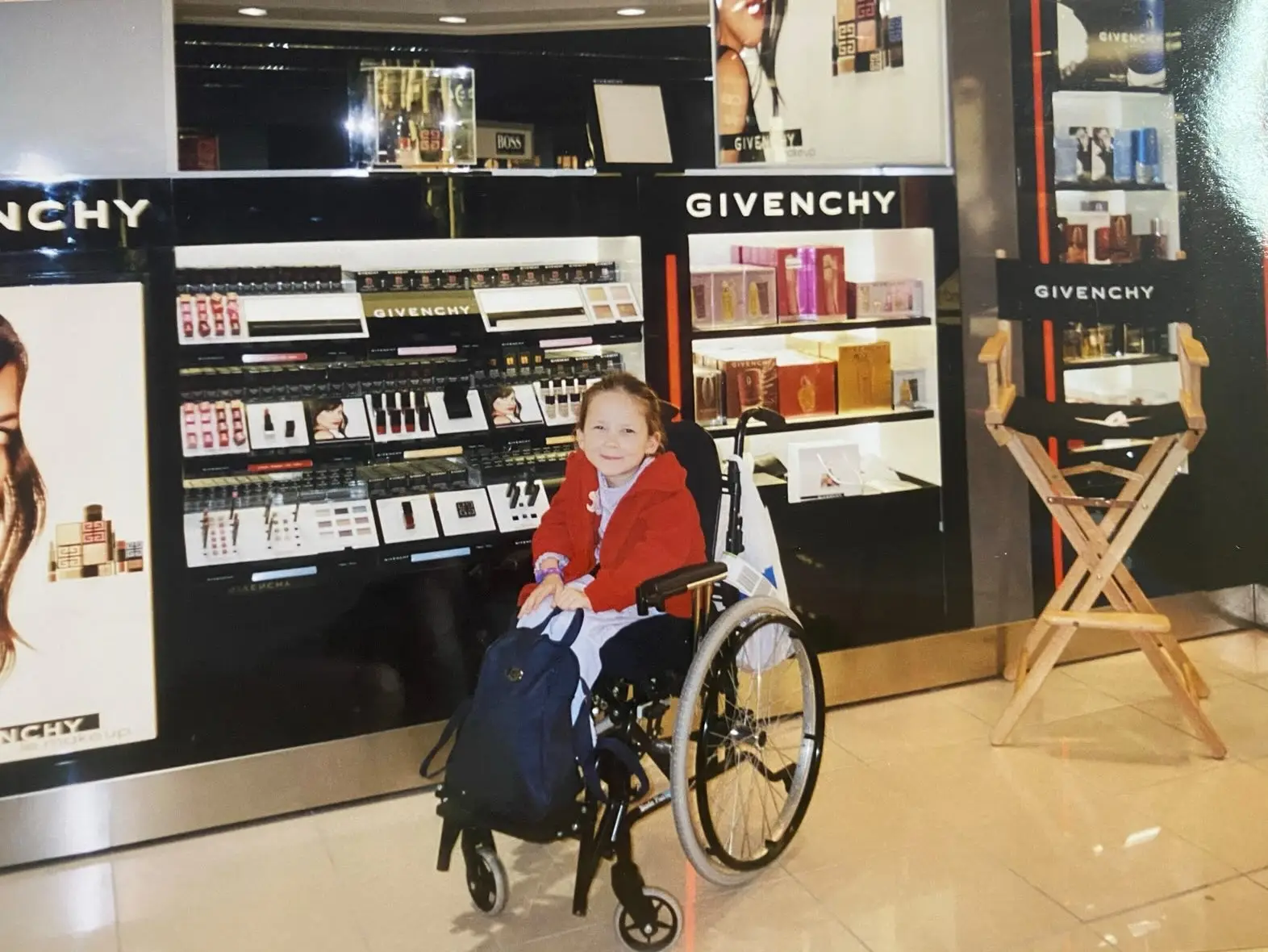
Other interventions included having a feeding tube to help with weight management and having the tendons cut in her knees twice in a bid to fix the atrophy, though sadly, this has been unsuccessful.
One of the biggest hurdles Kartier, and anyone living with SMA, faces is battling everyday bugs like the common cold, as weakened lung and diaphragm muscles make it difficult to cough and fight off any illnesses.
"During the winter months life is hard, every winter I somehow get pneumonia and it can get really serious within days of coming down from a tickle, I’ve ended up in intensive care," she said.
"It’s not that our immunity is compromised, it’s that our bodies aren’t strong enough to fight. So we have to become our own nurses, doctors and physiotherapists."

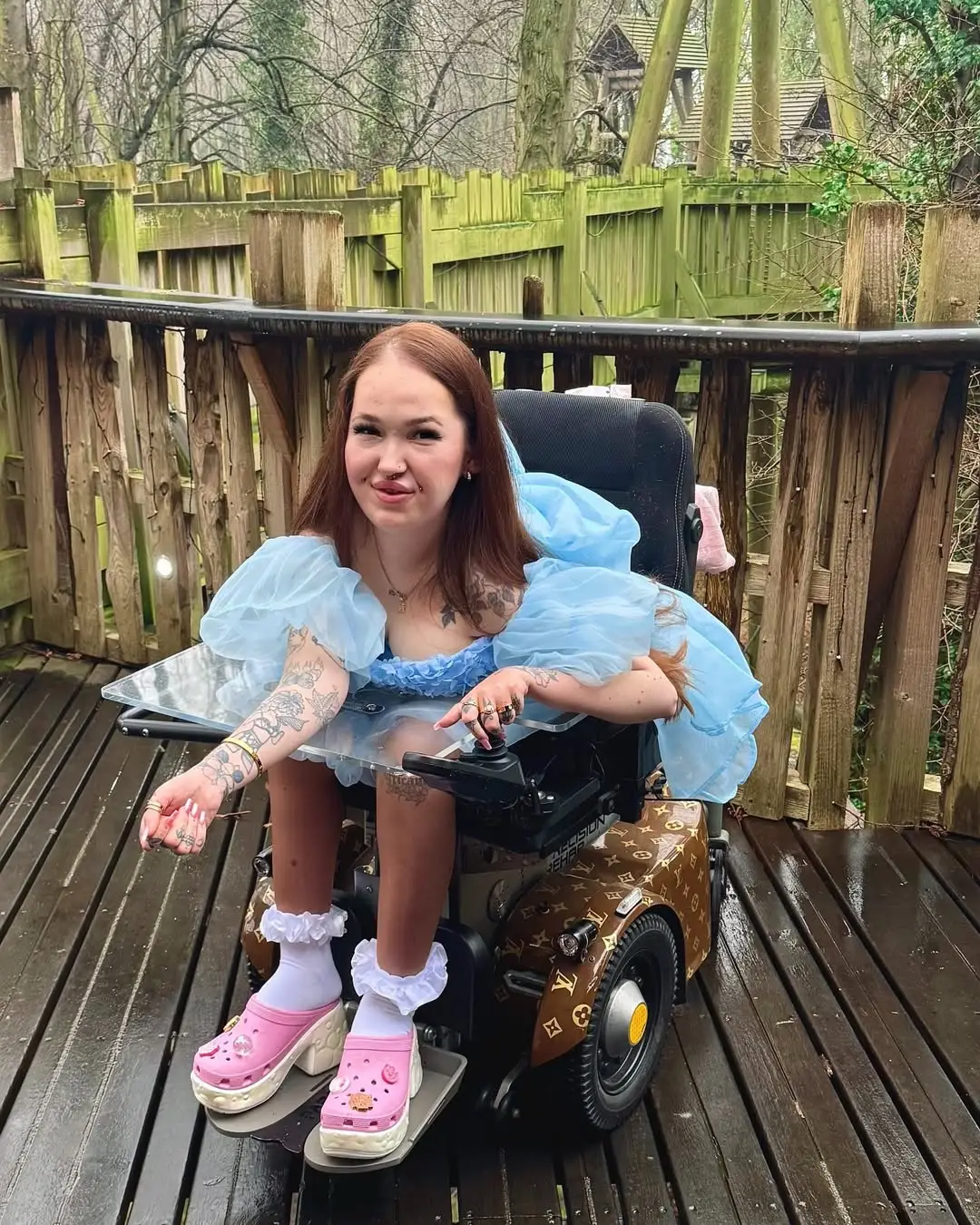
Despite all the daily challenges that come with life with SMA, Kartier, who has shown unshakable resilience throughout her 28 years, lives 'a very happy fulfilling life', and loves attending gigs and doing makeup and other art projects.
"I understand why everybody wishes for a healthy baby, however, I really hope Jesy is able to find hope in our community," she said.
"Although SMA is a curse, our lives aren’t awful. I may have spent half of my life in hospital but I also live a very happy, fulfilling life.
"SMAers are masters of adaptability and throughout it all I still went to college and uni. I’ve even been to the House of Lords and done talks in schools and colleges. I live on my own, with the support of personal care assistants, with my dog in a beautiful home."
What is spinal muscular atrophy?
According to the NHS, SMA is a rare genetic condition which can result in muscle weakness, which reduces a person's strength, becoming progressively worse over time if not effectively treated.
It disrupts the motor nerve cells in the spinal cord, causing problems such as affecting someone's ability to walk, eat, or breathe.
There are four different types of SMA, which are dependent on the severity of the disease and how early the symptoms present themselves.
Symptoms of SMA include muscle weakness, such as floppy arms or legs, bone and joint problems, and difficulty sitting up, crawling or walking. Other symptoms can be twitching or shaking muscles, a bell-shaped chest and lack of reflexes.
 Emma Rosemurgey