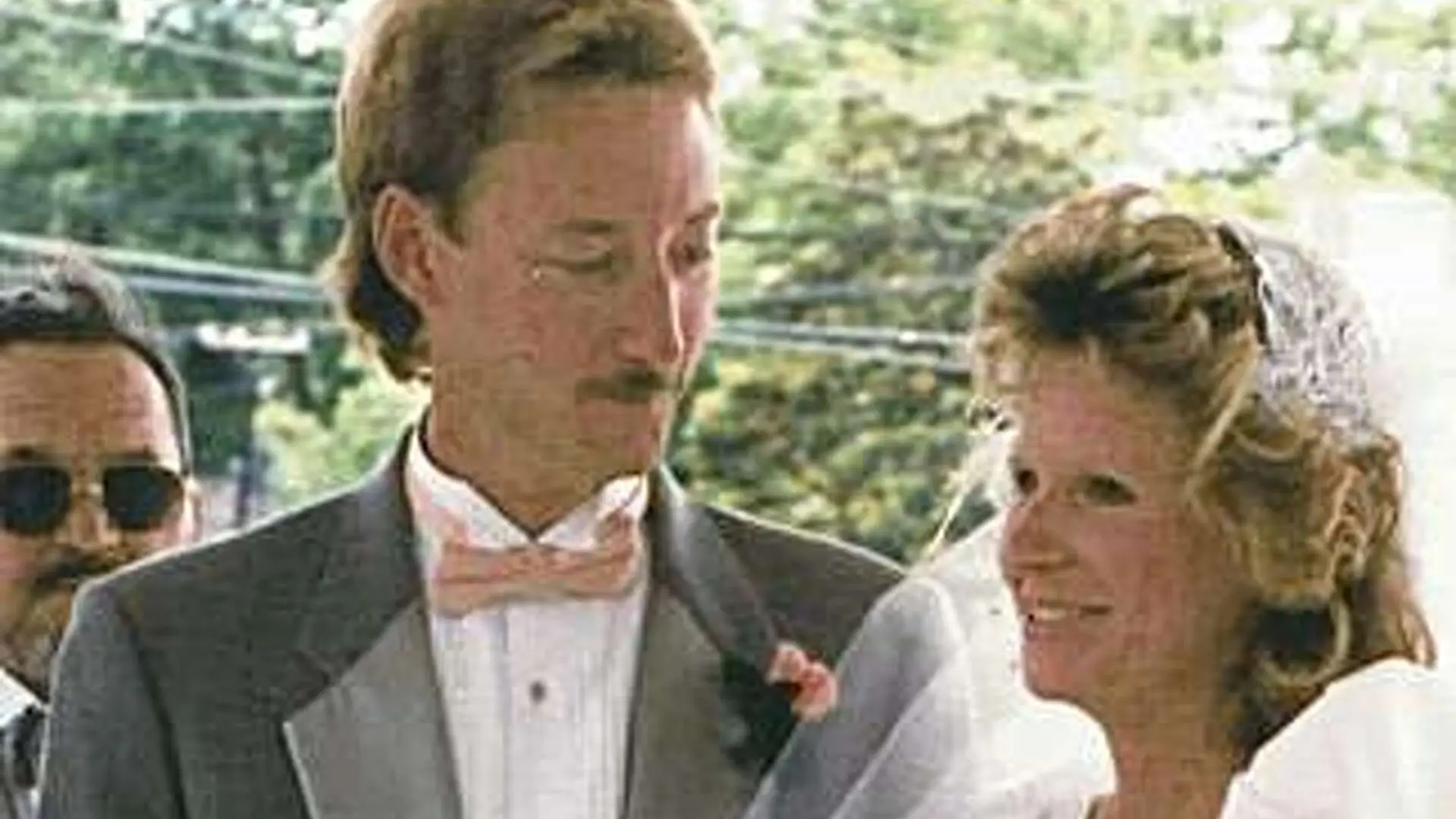
Theory of epigenetics explained as man received heart from suicide victim then took own life

There is a theory that epigenetics could be used to explain why a man took his own life after receiving a heart transplant from a suicide victim.
It's a complicated story to get your head around, but in March 1995, a US man named Sonny Graham received a heart transplant after an infection had irreversibly damaged his ticker.
The 57-year-old received the heart of 33-year-old Terry Cottle, a man who had taken his life weeks earlier.
What happened next was both extraordinary, as Sonny would ultimately leave his wife of three decades to be with Terry's much younger widow, Cheryl.
Advert
However, tragedy would strike 12 years later, when Sonny took his own life in April 2008 in the exact same manner which Terry had.
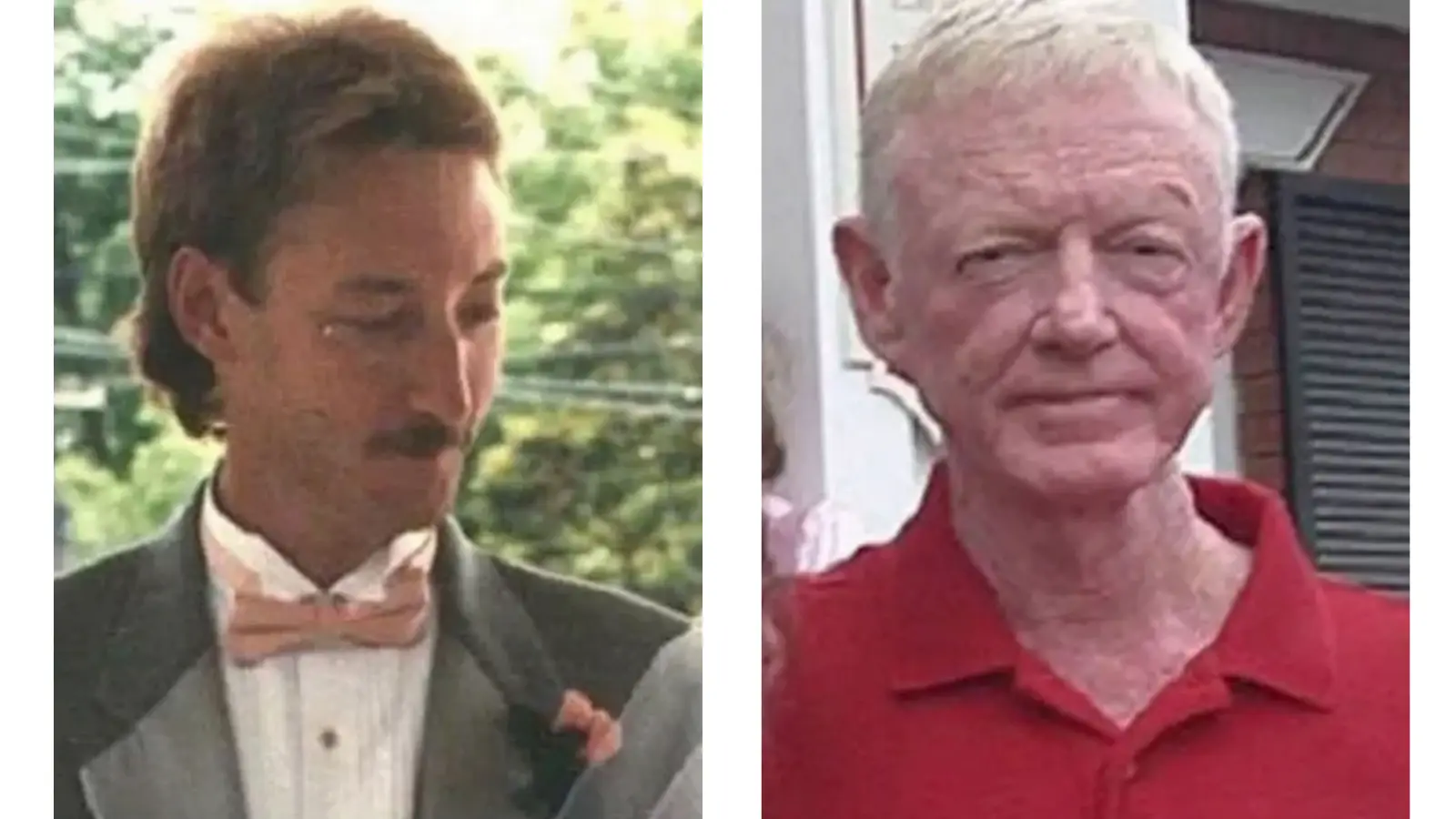
So how did this happen? Were the circumstances in which both Sonny and Terry died an unfortunate coincidence, or was there something linking the fates of the two men?
Well, this is where the theory of epigenetics comes into play, as several people believe this could explain why both men ended up dying by suicide.
What is epigenetics?
According to the CDC, epigenetics can be explained as a person's behaviour and environment changing how their genetics work.
Common examples of epigenetics include:
- Poor air quality increasing your risk of developing asthma
- Exposure to toxins increasing your risk of cancer
- Diet and lifestyle having an impact on the overall health of your body
Unlike gene mutations, epigenetic changes are reversible.
There are also a growing number of studies which suggest that epigenetics are responsible for trauma being passed down through families, with one study revealing how the descendants of the children and grandchildren were impacted by their ancestors being imprisoned in prisoner of war camps.
The study found that these descendants were at risk of higher rates of mortality than the wider population, despite not experiencing the same trauma.

Were Sonny Graham and Terry Cottle's deaths due to epigenetics?
Okay, so our behaviour and environment can play a key part in how our genes are expressed – but how does this relate to transplant recipients?
By using the theory of epigenetics, people have argued that you're not only gaining the physical part of another person but also gaining a part of them as well.
For Sonny, this not only meant an attraction to Terry's wife, but also a sudden fondness for beer and hot dogs.
 Brenna Cooper