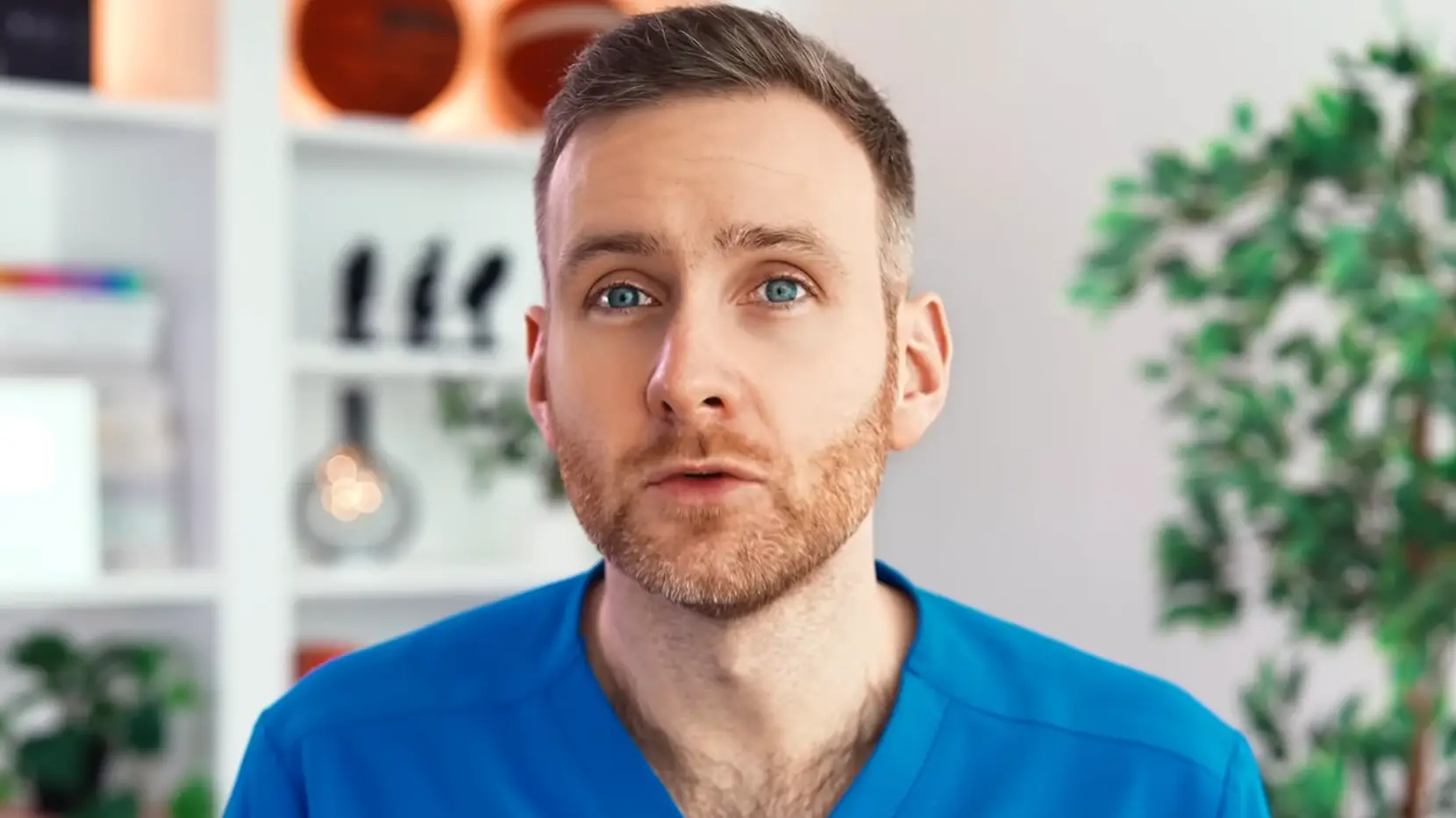
Doctor explains why cancer symptoms only appear '10 to 15 years' after it can start in your body

A doctor who has spent nearly a decade working in emergency medicine has explained how cancer actually develops and why the symptoms appear so late.
The one part of medicine Dr Alex Wibberley struggles with is cancer, particularly the younger cancer patients that we are increasingly seeing today. One in two people in the UK will be diagnosed with cancer at some point in their lives.
Dr Alex believes the gap between what the public understands about cancer and its true nature actually costs lives.
In a video posted on his YouTube channel, Dr Alex explains how cancer develops in the body, and the symptoms that mean you need to book a doctor's appointment.
Advert
He's also explained why some organs can double in size due to cancer tumours before you notice anything is wrong, which is why cancer screening is so important.
What actually is cancer?

The cells in a human body are in a constant state of activity as they grow, repair, get damaged and get replaced in a very regulated way.
Cancer begins when this regulation breaks down and there is damage to the DNA. One rogue cell can eventually become a mass of millions of abnormal cells in the body.
Dr Alex explained the speed of this process: “Cancer is in the vast majority of cases a very slow biological process measured in years, not weeks.”
When the mutation persists and the cells group together, it forms a primary tumor.
Dr Alex said: “It takes on average 10 to 15 years from that first initiating mutation to a clinically detectable tumour.
"[There is] 10 to 15 years of silent biology before anything is obvious.”
Why it takes so long to develop cancer symptoms

Symptoms of cancer can include pain, bleeding or a noticeable lump.
These symptoms aren't because of the mutation of the cells, but is actually because the tumour can no longer be silently accommodated in the body.
Dr Alex said: "Until the tumour is large enough or positioned in exactly the right place to mechanically interfere with something, whether that's a tube or an organ or a nerve or a blood vessel, there may genuinely be nothing to feel."
That's because a lot of internal organs don't register pain in the same way that skin or muscles can, and the liver can double in size because of a tumour before you feel any symptoms.
“When symptoms do appear, it helps to understand what's actually producing them because that tells you something about what kinds of changes deserve attention," Dr Alex said.
Symptoms such as unexplained weight loss and fatigue come from what the cancer is doing to the body's broader physiology.
Dr Alex said: “The critical point across all of these is that the symptoms themselves are almost always common and almost always have a more likely benign explanation.
“What distinguishes a cancer presentation is usually not the nature of the symptom. It's whether it persists, whether it progresses, whether it represents a genuine change from that person's normal baseline.”
Why cancer screening is so important
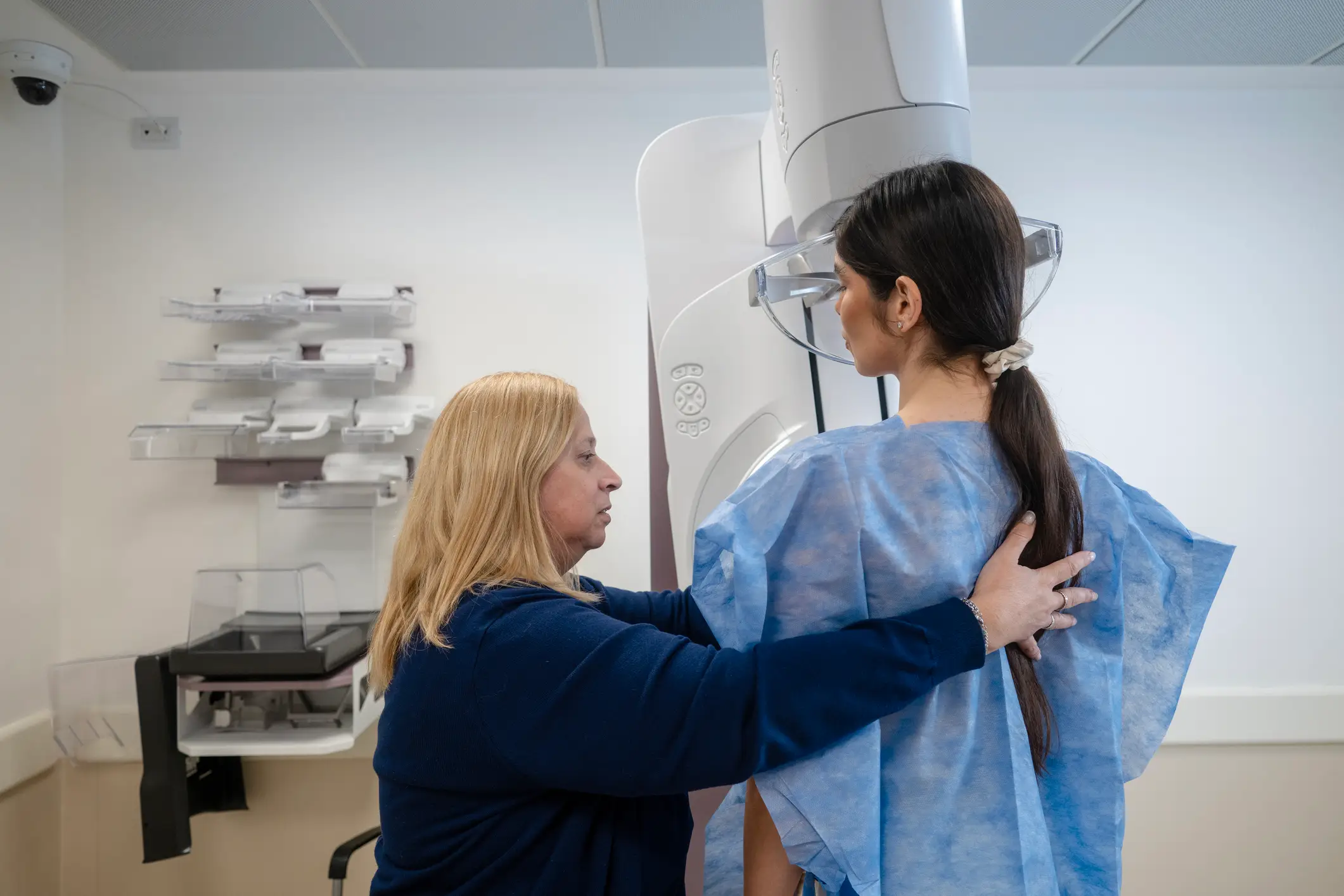
Because early cancer produces no symptoms and by the time it does, it has grown for a significantly long time, it is important to look for the cancer sooner rather than later.
The stage of diagnosis is influential in the outcome of cancer, which is why screening is so important.
Cervical cancer screenings, which detect human papillomaviruses before it develops into cancer, have helped reduce cervical cancer rates by 70 percent since it was introduced.
Other screenings include mammograms for breast cancer and PSA testing for prostate cancer in high-risk groups.
Although screening isn't a guarantee, it does shift towards earlier diagnoses, which can then aid treatment.
What symptoms should prompt a GP visit?
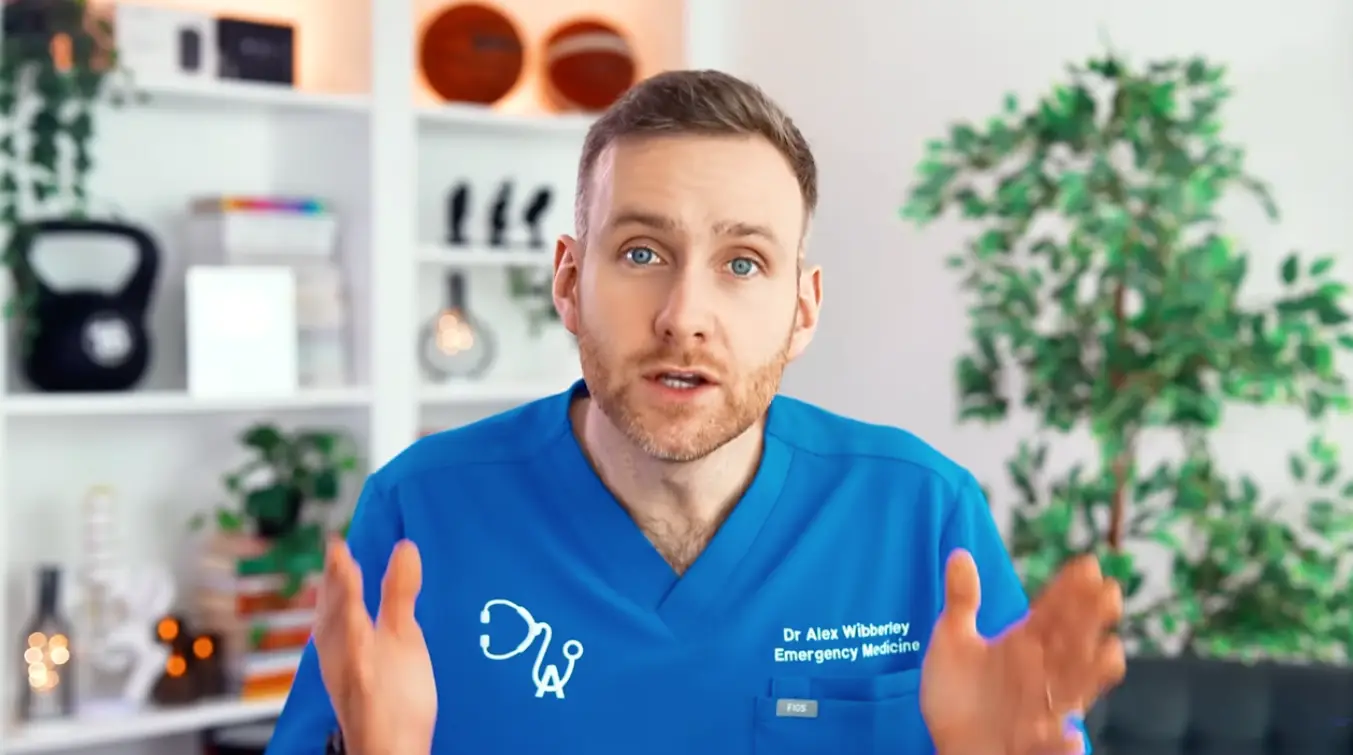
Dr Alex said: "A symptom that is new that represents a clear change from your personal normal baseline and that persists for more than a couple of weeks without a clear explanation that needs a doctor's appointment.
“Not because it's likely to be cancer. In most cases, it really won't be, but because it deserves proper assessment rather than ongoing self-monitoring.”
There are several symptoms that should prompt a GP visit, including, but not excluding: unexplained bleeding in your pee, poo or phlegm that doesn't go away, symptoms that get worse over time, a new lump or swelling that doesn't go away after a few weeks, and any persistent pain that doesn't go away or improve.
Dr Alex said that 'none of these individually mean cancer' but 'all of them mean you should be having a conversation with a doctor rather than a conversation with yourself about why it's probably nothing'.
So, the key takeaway that can help you take charge of your health is that 'cancer doesn't appear overnight'.
Dr Alex has found that 'the gap between good outcomes and poor outcomes in cancer' is most commonly decided by 'the stage at which the disease is found'.
 Molly Lee