
Colon cancer sufferers share symptoms they noticed as cases rise in under 50s

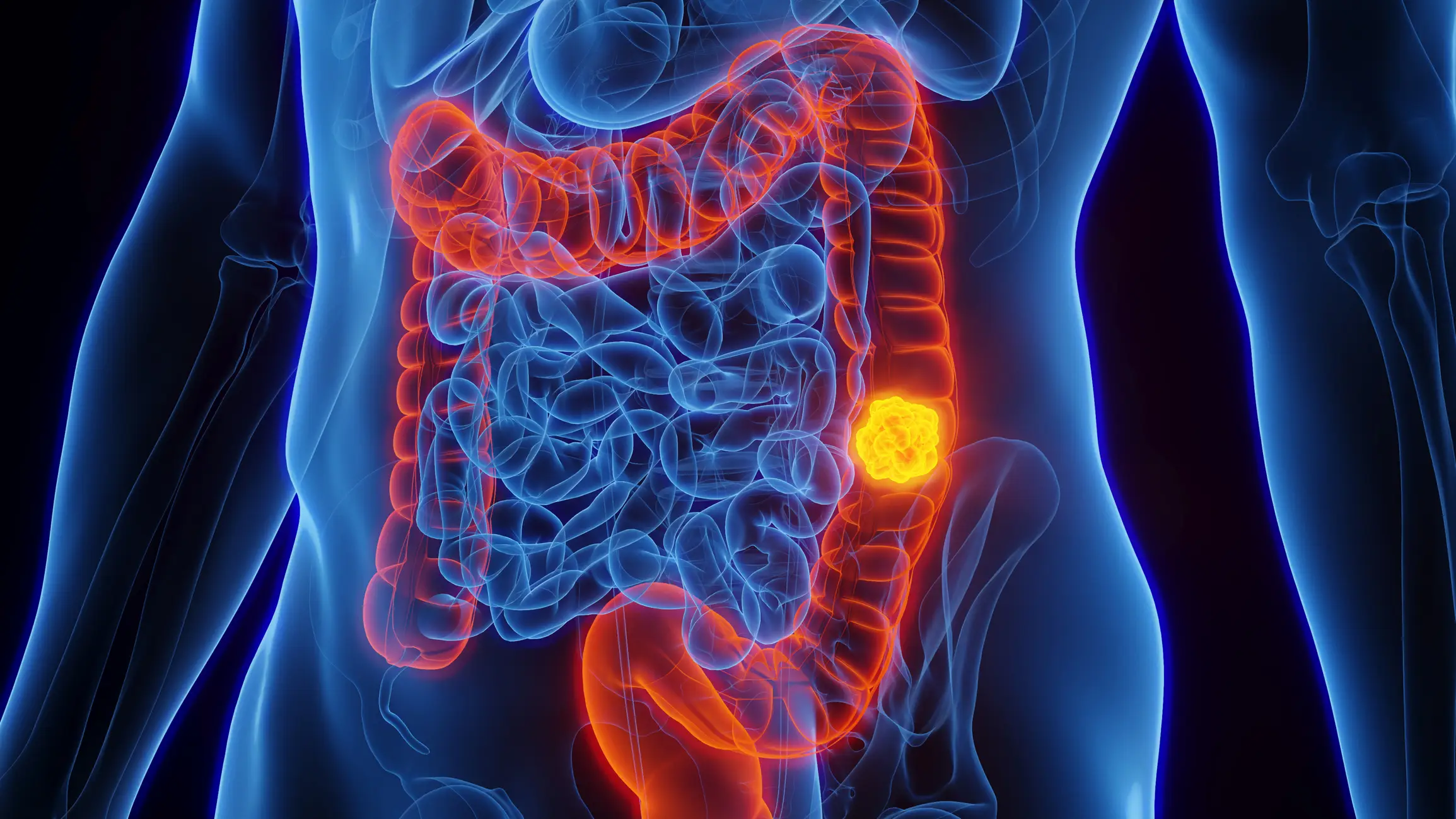
Colon cancer cases are on the rise in the under 50s, and there are some key signs to keep an eye out for.
Many cancers appear in older patients, but colon cancer is the exception and is increasing for younger patients.
Cancer Research UK shared a report revealing their findings about this younger age group, although the precise cause of why this is happening hasn't yet been found.
The World Cancer Research Fund reports that bowel and colon cancer is the third most common type in the world.
Advert
It can be much more difficult to spot than other cancers, because many of the other symptoms, such as constipation and diarrhoea are common for many people.
These can be caused by non-cancerous conditions like Crohn's disease, irritable bowel syndrome, or just a simple stomach bug.

Gastroenterologist Dr David Richards told UT MD Anderson: “Any time symptoms persist for longer than two weeks, they are cause for concern.
Colon and rectal surgeon with Northwell Health Dr Parul Shukla warned that young women need to be especially mindful: “You’ll be surprised to hear, in the under 50s, women are getting colorectal cancer at an enhanced rate as compared to men," he said.
“It’s actually flipped the rate … so it’s a frightening statistic, but unfortunately, in the younger age group, women are getting colorectal cancer more than men.”
Six patients shared how they realised they had colon cancer.
Blood in the toilet
One patient, who was a doctor herself, said: “I experienced bloody stools, bowel changes, and abdominal pains for months."
She was diagnosed with stage III colorectal cancer at the age of 37.
The patient said life got too busy to deal with it: “But as a doctor with a busy practice and a hectic family life, I didn’t have time to be sick. So, I explained away my symptoms or minimized them. It was only later, when they became persistent enough that I couldn’t ignore them, that I finally sought treatment.”
Another patient recalled: “I started having dark stools and a little pain in my lower abdomen, so I called my family doctor, she thought it might be my appendix, since the pain was on my right side, so she brought me in for a check-up. But then she did a digital exam and said there was blood in my stool.”
Diarrhoea
Upset stomachs are common, and can be linked to other conditions, such as IBS, Crohn's or ulcerative colitis.
One 35-year-old woman had been dealing with the latter when she was shocked to be diagnosed with stage III colorectal cancer.
She had been living with severe diarrhoea, stomach cramps and more for over 20 years so was used to it, but everything changed after her second child.
“After the birth of my second daughter, my symptoms increased dramatically, I started dropping weight, losing my hair and even passing blood occasionally.”
Constipation
Like diarrhoea, constipation is a very common symptom for many people.
Another patient also found pregnancy shone a light on her symptoms.
The 33-year-old from Florida was diagnosed with stage III colorectal cancer.
“I was pregnant with my second child when I began having constipation. Each night, I’d wake up with an urgent need to go to the bathroom. But then I’d sit on the toilet, unable to empty my bowels. It was annoying and interfered with my sleep.”
One 19-year-old patient thought it wad down to diet changes he'd made, until he was diagnosed with stage IV colorectal cancer: “I was scared and very confused.”

Unexpected weight loss
If you're on a diet, you'd expect the scales to go down, but if you're not trying and they're still plummeting it can be a worrying sign.
One patient recalled: “Most people get a bit heavier over the holidays, but I’d been losing weight steadily for about four months by early 2017. And I was not trying to. I was also experiencing fatigue.”
He said he finally sought help when his wife said: “You are literally melting away before my eyes. What’s it going to take to get you to go to the doctor?”
If you’ve been affected by any of these issues and want to speak to someone in confidence, contact Macmillan’s Cancer Support Line on 0808 808 00 00, 8am–8pm seven days a week.
Topics: Health, Bowel cancer, Cancer
 Jen Thomas