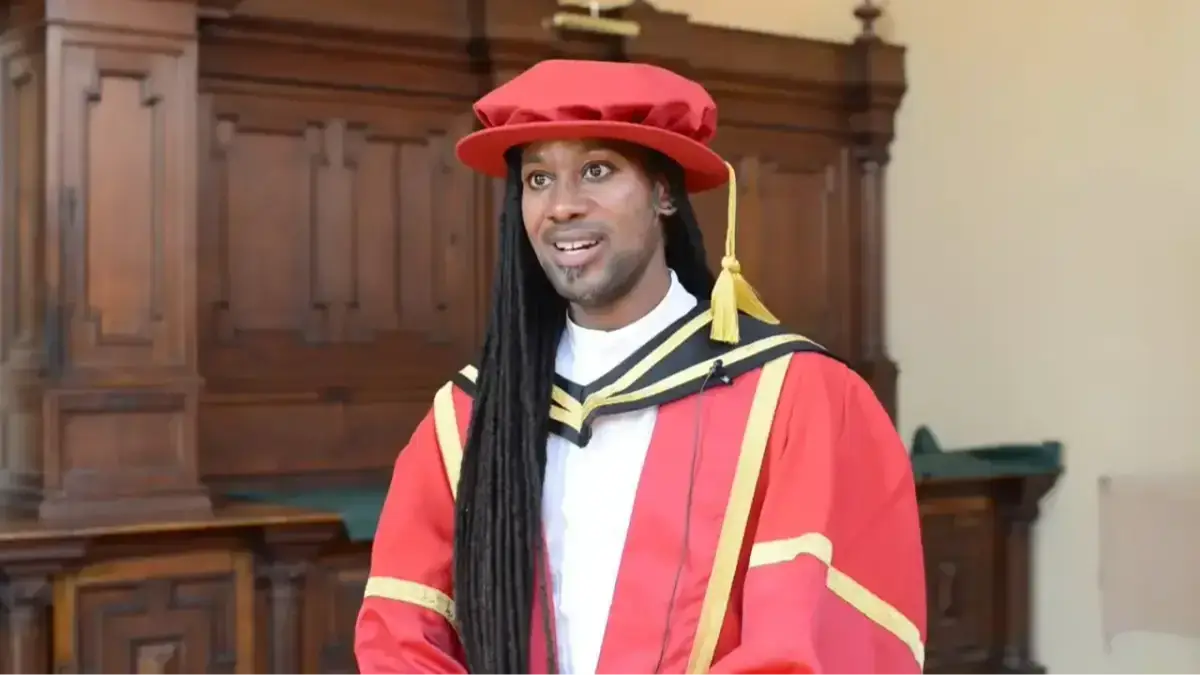
Historic Cambridge professor Jason Arday found dead at home after plagarism investigation

Jason Arday has been found dead at the age of 41.
The Telegraph reports that the former University of Cambridge professor was found 'unresponsive' in an address in Battersea, south London on the afternoon of Friday, August 14.
He was pronounced dead at the scene, with MET police officers called by the London Ambulance service at 3:12pm, with a spokesperson for the force telling The Telegraph: “Sadly, a 41-year-old man was pronounced dead at the scene.
“His next-of-kin have been informed and are being supported by officers. At this time his death is being treated as unexpected, but is not believed to be suspicious.
Advert
“The case is being investigated by officers from the Met’s Central South Command Unit.
“A file will be prepared for the coroner.”
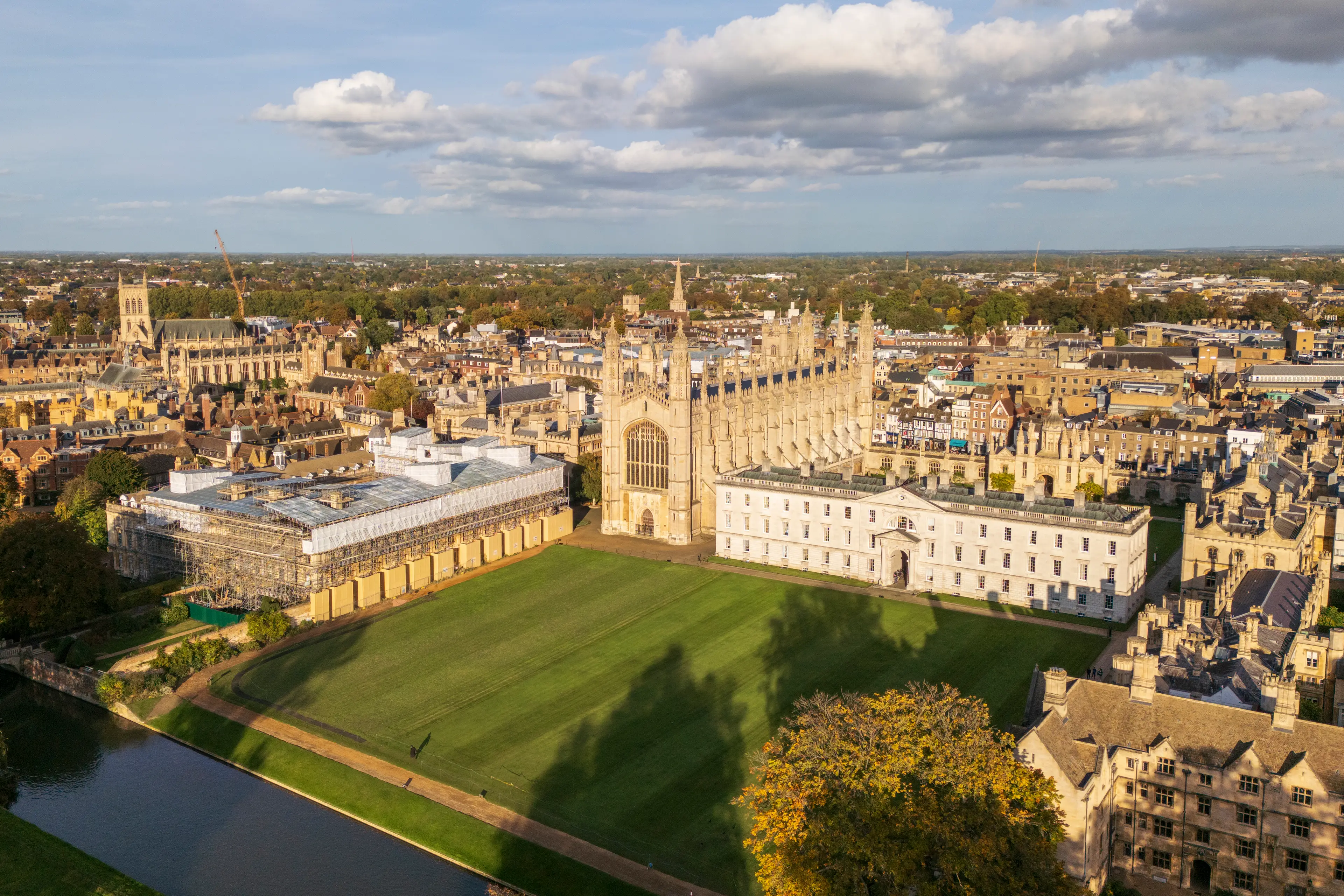
Mr Arday had recently resigned from his role as a professor of sociology of education at the University of Cambridge on August 5 after being accused of plagiarism. He made history by becoming the university's youngest ever black professor in 2023 at the age of 37.
A London Ambulance Service spokesperson said: “We were called at 3.06pm on Friday 14 August to reports of an incident on Daley Thompson Way, SW8.
“We sent a number of resources to the scene, including an ambulance crew, an advanced paramedic in a fast response car and members of our Hazardous Area Response Team. Sadly, a person was pronounced dead at the scene."
Why Jason Arday resigned from the University of Cambridge
A report by The Telegraph, published on July 24, claimed that over 100 pages of Mr Arday's PhD dissertation was similar to a thesis by Paula Zwozdiak-Myers, a student at Brunel University in London, which was published six years earlier.
In response, Cambridge said they had forwarded the complaints to Liverpool John Moores University, where Arday completed the PhD, but they said it had not been plagiarised after reviewing the work.
However, The Guardian reported that other academics had told them there was legitimacy to the plagiarism claims.
Mr Arday denied the accusations, saying: “To clarify, there have been multiple thorough investigations across several institutions as a result of the allegations, and immense scrutiny, including with an academic misconduct panel who concluded that there was no plagiarism or academic misconduct.”
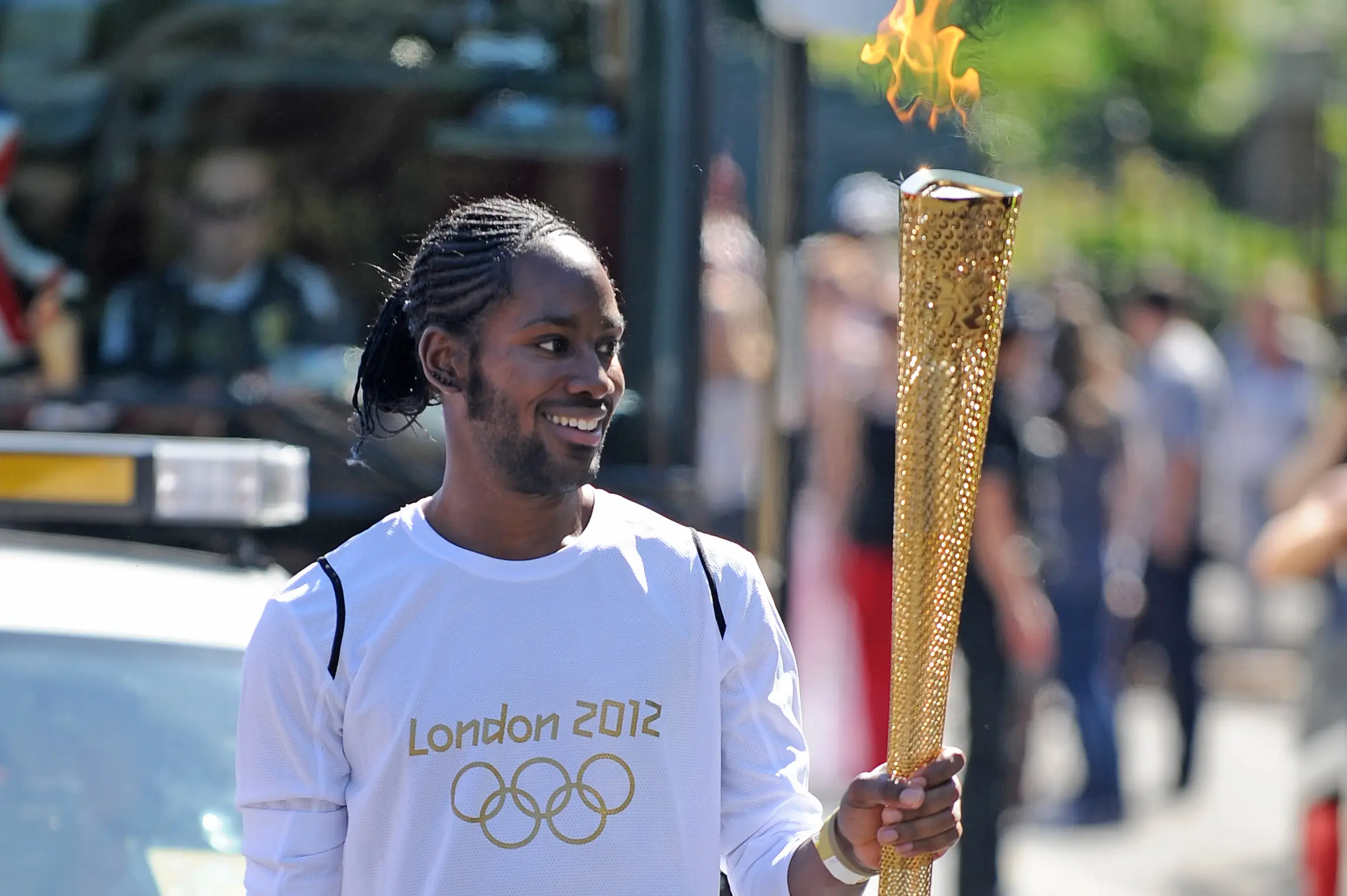
He went on to resign last Wednesday, August 5, but stressed that his resignation was not an indication that he was admitting guilt.
In a statement shared by The Good Law Project, he said: “It is with profound sadness that I write to resign, with immediate effect, from my position at the University of Cambridge and Jesus College.
“When I accepted the extraordinary honour of becoming professor of sociology at Cambridge, it was, without question, the greatest professional privilege of my life.
"This decision should not be interpreted as a loss of faith in scholarship or in the values that first brought me to Cambridge. Nor should it be mistaken for an acceptance of the narratives that have surrounded me.
"It is simply the decision of someone who has reached the limits of what any person should reasonably be expected to endure."
In a statement, a spokesperson for the University of Cambridge said previously: “We take allegations of academic misconduct incredibly seriously.
“It is university procedure that investigations are carried out by the institution at which the research was undertaken.
"This is standard practice in the sector because that institution has access to the information to ensure a full and fair investigation.”
Topics: UK News
 Daniel Murphy