Doctors identify major flaw with BMI that could be leading to millions of obesity misdiagnoses

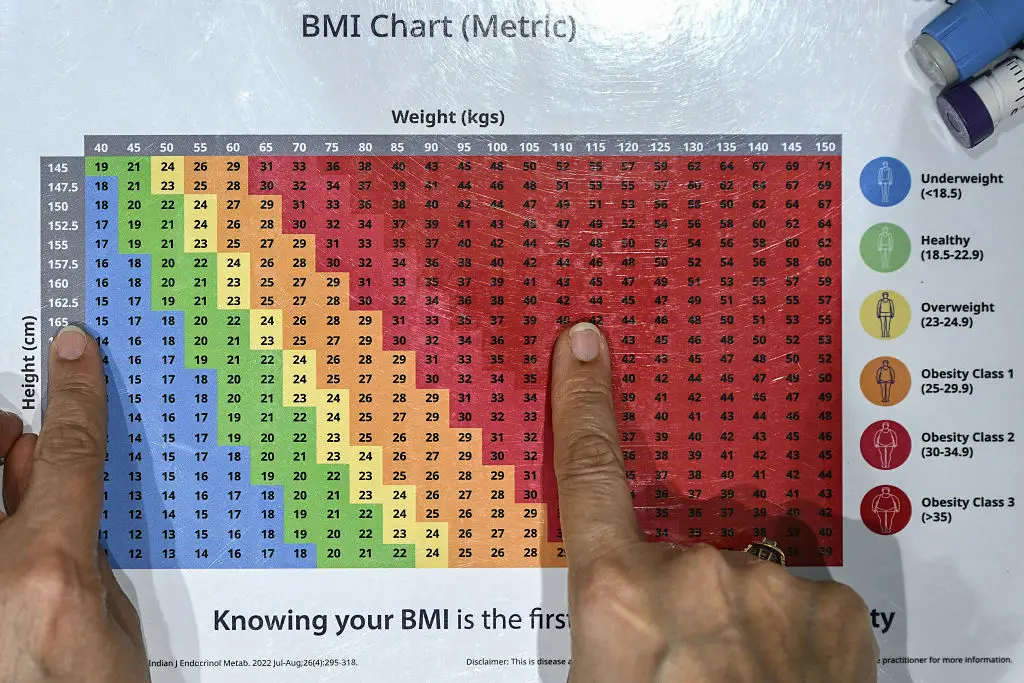
Body Mass Index, or BMI, is often used as the metric to measure how obese a person is, and the ideal is somewhere between 18.5 and 24.9, as below that is underweight and over it you start getting classed as overweight.
It can be used for things such as certain prescriptions, including in getting weight loss jabs like Mounjaro on the NHS, where your BMI is meant to be high enough to qualify.
You get your number by dividing your weight in kilograms by your height in metres squared, so if a person who weights 70kg and is 1.7 metres tall calculates their BMI they'd divide 70 by 2.89 (which is 1.7 squared) which would give them a BMI of 24.22, meaning you're in the healthy weight category.
However, a group of doctors have argued that switching to an alternative could be far more accurate and avoid millions of people being misdiagnosed as obese.
Advert
A report from the Lancet Commission argues that BMI should be just one of the things measured instead of being the final word, and it should go alongside body measurements and organ function tests such as weight circumference, with a group of doctors writing in Nature and following this new approach changed the statistics.
They looked at the results of over 800,000 people and found that BMI was failing to spot obesity in between five and nine percent of cases, and misdiagnosing around three percent of people as obese when they weren't.
Around 1.6 billion people around the world are classed as overweight, so even a few percent getting diagnosed incorrectly is going to number in the millions.
Various doctors have identified faults with BMI, as Dr Sonu Sharma, Medical Director at ABBI Clinic told LADbible it 'does not take underlying health issues into account' and was never designed to be a clinical tool.
She said: "It tells us nothing about muscle and fat, metabolic health, or how a body is actually working."
She noted that studies on people labelled obese from their BMI found around two thirds of those had extra body fat 'but no measurable damage to their organs or limits on daily life'.

Dr. Kyle Hoedebecke, Clinical Advisor of Care Point Boston, added that BMI doesn't actually measure body fat as it 'can’t distinguish between fat and lean tissue like muscle'.
He explained that those with lots of muscle mass would have a high BMI even if they were living a healthy lifestyle, adding that muscle is denser and heavier than fat which throws it off further.
"BMI does not establish that excess fat causes illness. Those being diagnosed based on BMI alone should not be alarmed, but might benefit from a more thorough clinical assessment," he said, adding that the proposed alternative had 'clinical promise'.
Both doctors agreed that BMI could still be useful, with Dr Sharma saying it was a 'quick and inexpensive' part of measuring someone, but it needed to be used in combination with various other tests to get the full picture.
She said: "People struggling with an eating disorder can be unwell at any weight. BMI is all too often still acting as a gatekeeper to access, and we need to distinguish whether this is a resource issue rather than one based on clinical need."
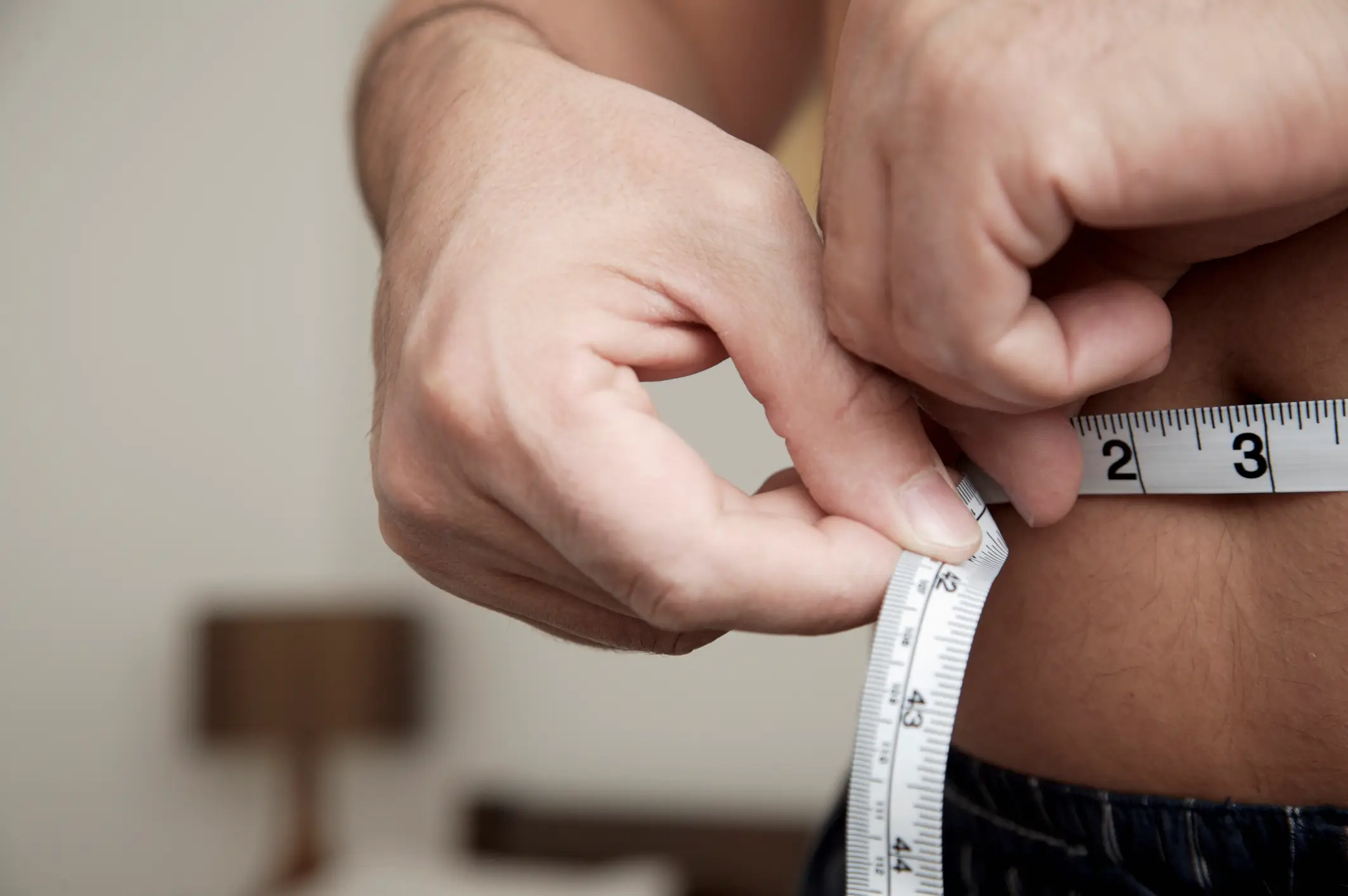
Another expert added that the benefits of measuring weight girth provided a 'good guide' to a person's health.
Dr. Ayesha Bryant, Clinical Advisor of Meridian Recovery, praised the benefits of a waist-to-height ratio and said 'we need to stop using BMI as a sole diagnostic outcome'.
She explained: "Complexity of screening is also an issue, body mass index is a simple measurement that does not necessarily require staff to make a calculation as BMI charts are available.
"Despite being easy to measure compared to body composition measures, BMI should not be considered enough."
 Joe Harker