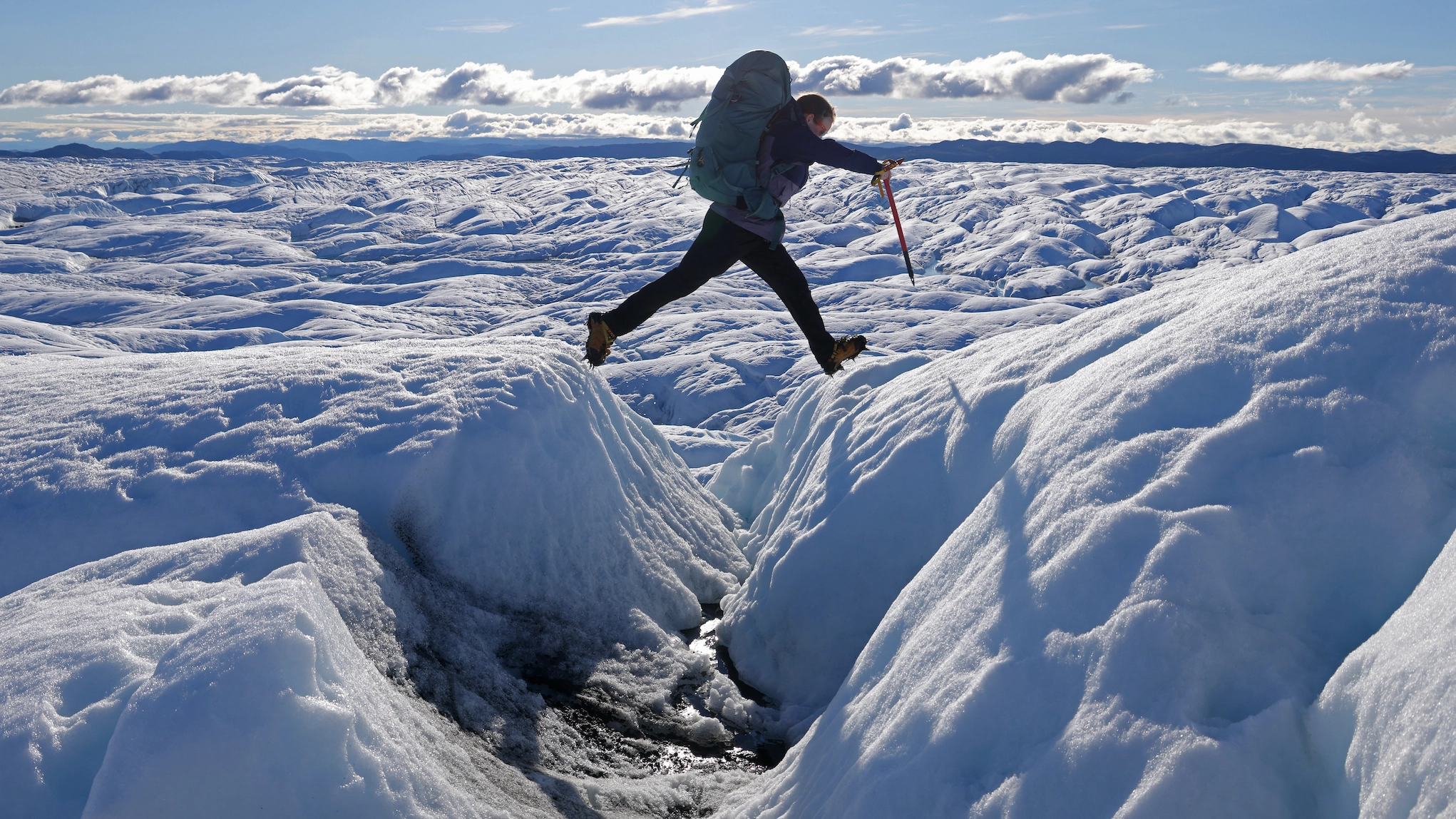
Scientists issue worrying update on 'Doomsday Glacier’ melting with ‘catastrophic' consequences

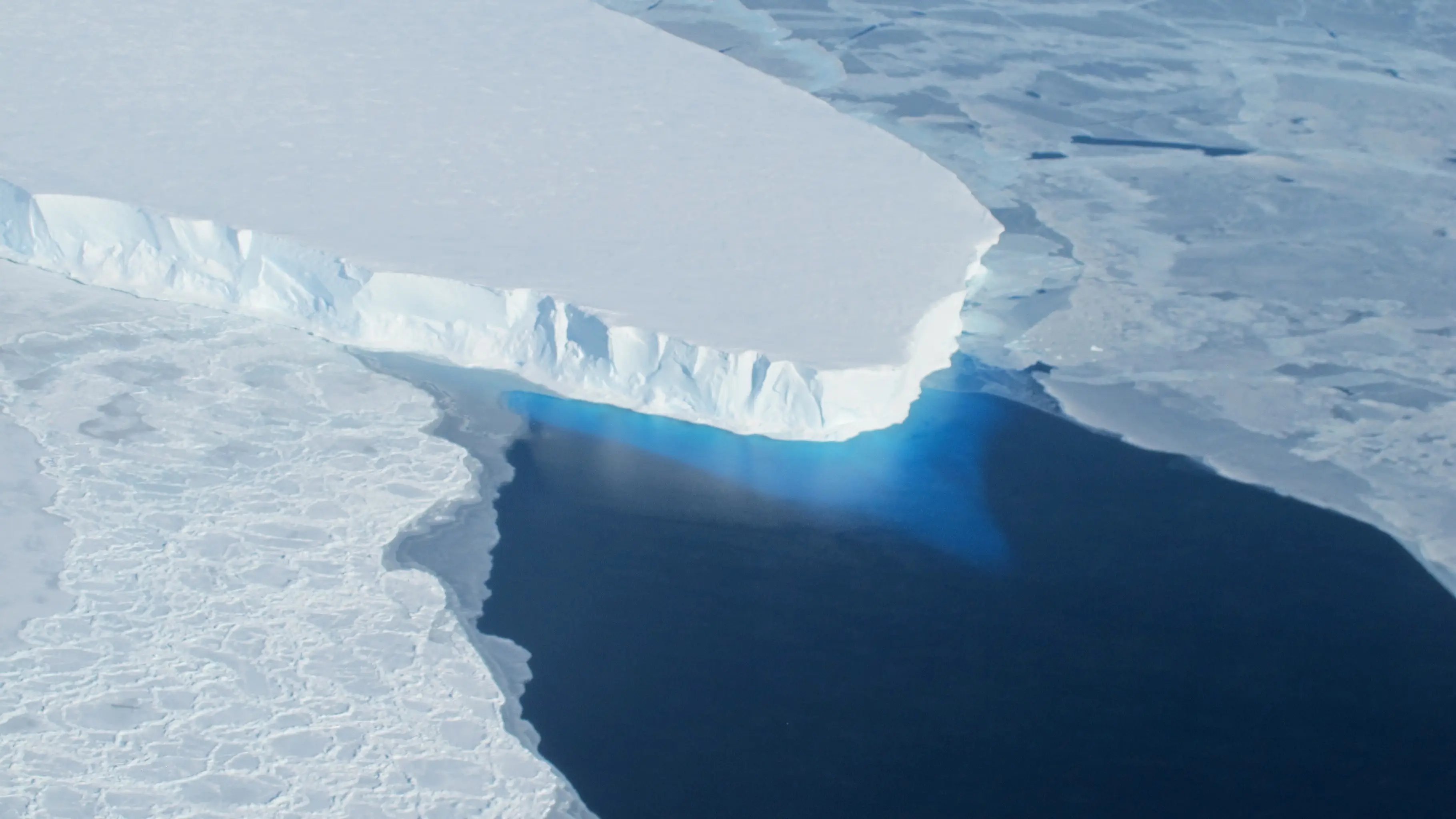
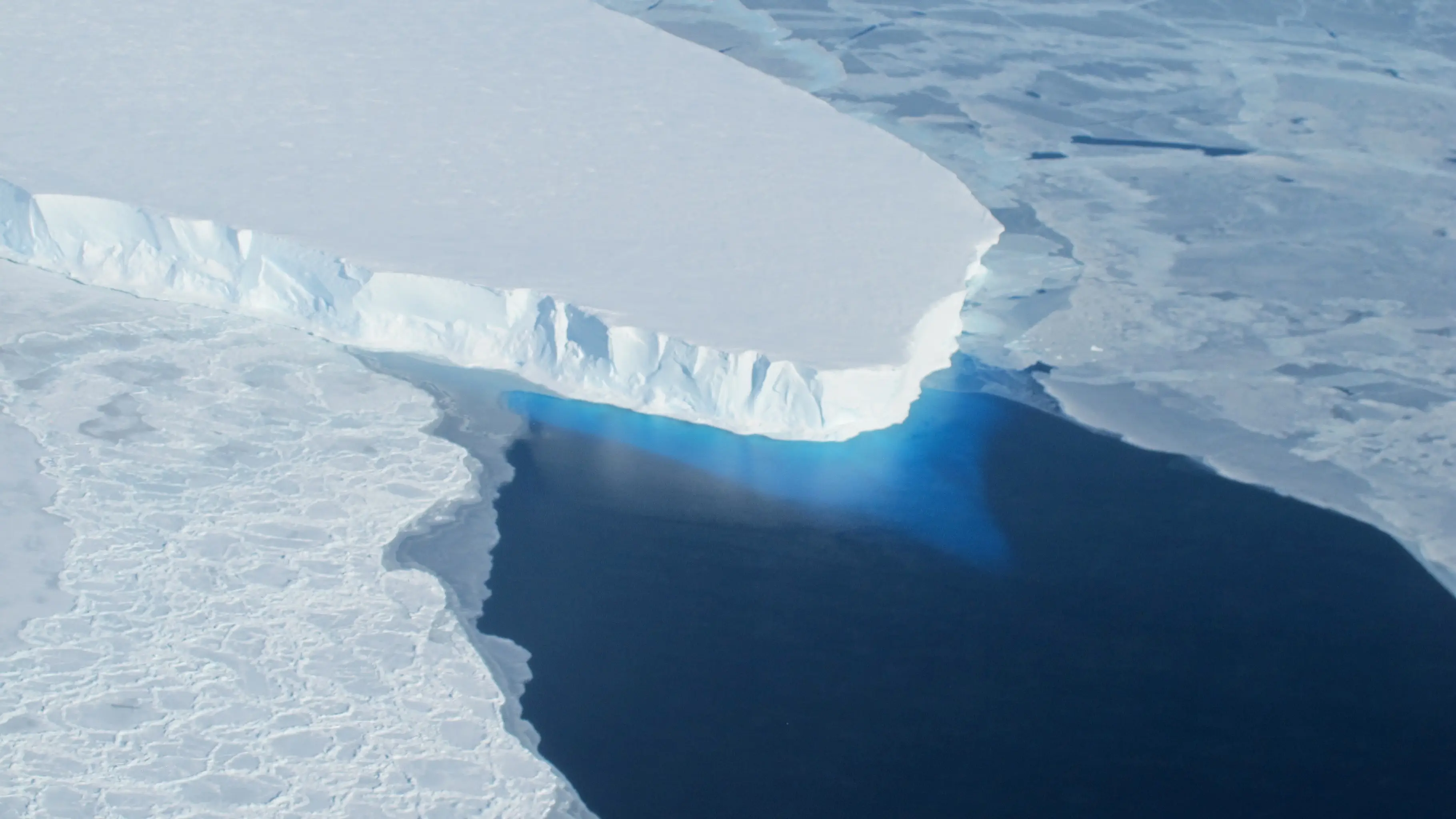
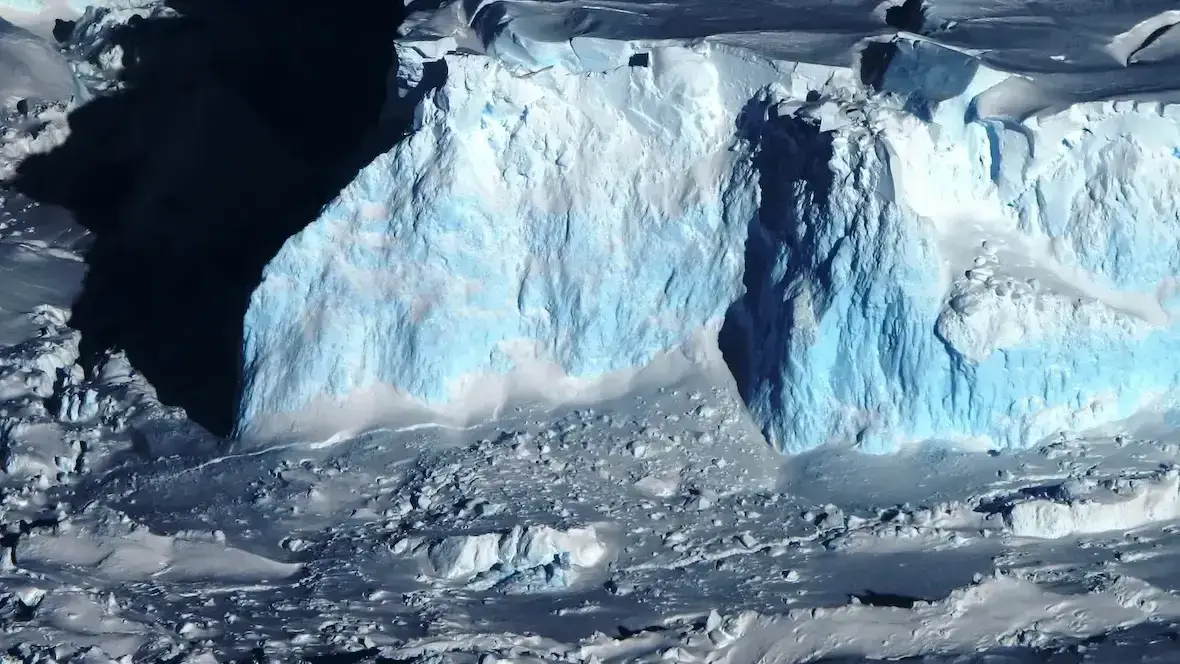
A new study has suggested that Antarctica's 'Doomsday Glacier' may be close to reaching its melting point.
In a new study, published in the journal Nature Communications, scientists examined the region's West Antarctic Ice Sheet (WAIS), which contains the Thwaites, or 'Doomsday', Glacier to gain a better understanding of how the ice sheet has reacted to previous warming periods.
In order to learn more about the history of the WAIS, researchers extracted clay from the ancient mud and sediment cores beneath the ice sheet to study it.
And the results revealed that deposits of kaolinite clay held the key to understanding the glacier's past.
Advert
After recovering sediment cores from 4,000m below the sea surface, researchers found that during every interglacial warming period over the past 800,000 years, levels of kaolinite dropped to near zero.
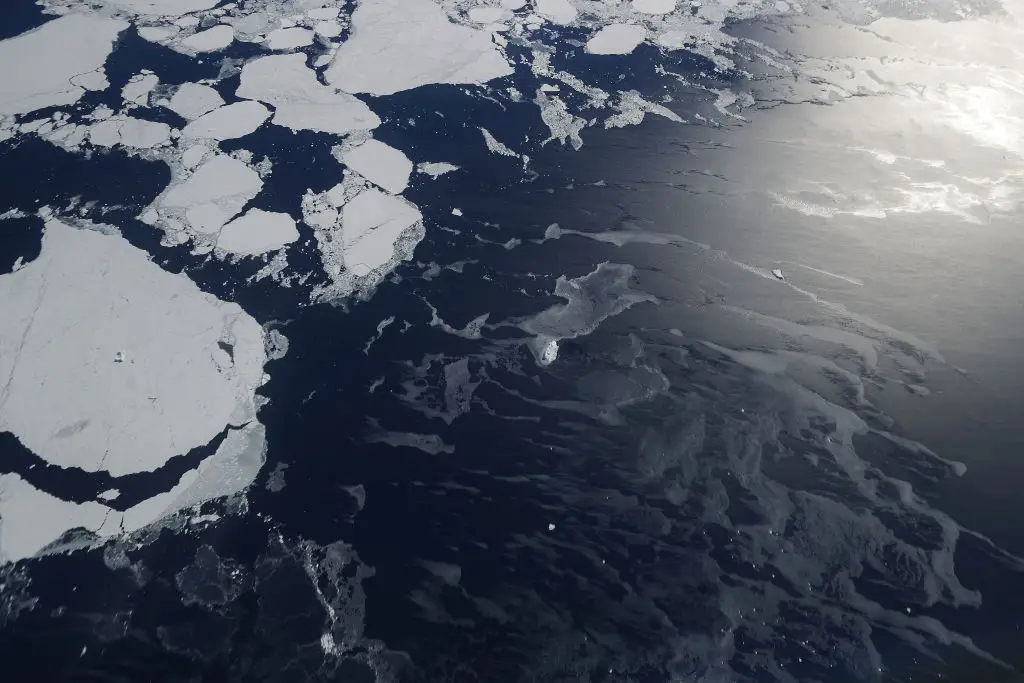
"When the kaolinite signal at our drill-core sites suddenly collapses, it tells us the marine-based ice in the Amundsen Sea sector of the West Antarctic – including Thwaites and Pine Island glaciers – must have melted and retreated far back into the continent’s interior," Dr Claus-Dieter Hillenbrand, the British Antarctic Survey (BAS) marine geologist who led the study, explained.
When searching to understand why the ice retreated at certain stages, researchers came across a second mineral, smectite, which is found much farther north in the Pacific Ocean.
This leads scientists to believe that deep warm-water currents were responsible for the ice sheet melting. What's more, researchers also believe that current global warming is bringing us towards the tipping point faster than in any other period of history.
"What we found, to my surprise, is that even under natural conditions we had at least a partial collapse of the West Antarctic Ice Sheet. What we are doing now is making it much worse," Dr Hillenbrand added.
What would happen if the Doomsday Glacier were to collapse entirely?
As the name 'Doomsday' suggests, the complete melting of the Thwaites Glacier would have a knock-on effect around the world.
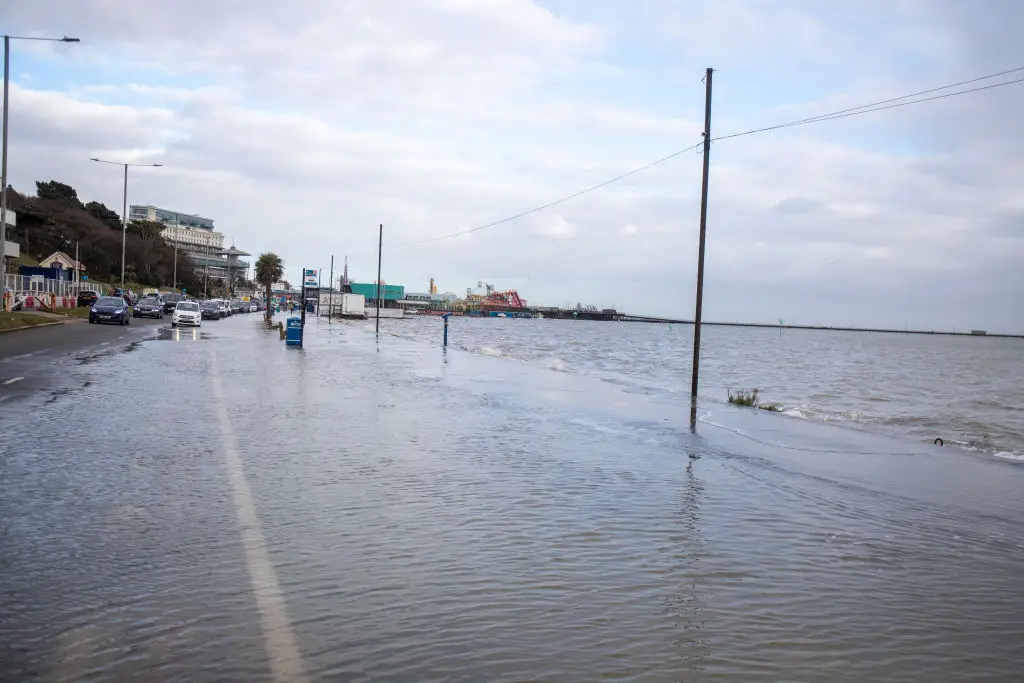
According to BAS calculations, sea levels would rise by 65cm if Thwaites were to collapse, and an additional 51cm if Pine Island were to melt alongside it, causing a substantial rise in sea levels.
This would most likely lead to storm surges and coastal erosion.
In a worst-case scenario, if the entire West Antarctic Ice Sheet were to collapse, sea levels could increase by as much as three to five metres.
If this were to happen, then low-lying areas of the UK, such as coastal areas between Lancaster and Liverpool, as well as areas in East Yorkshire, Norfolk and the Thames Estuary, would be vulnerable.
"I’m personally convinced that future generations will see substantial sea-level rise," Dr Rob Larter, a BAS marine geophysicist and study co-author, added.
"How fast we’ll see that rise is really difficult to say. This study shows that even in past natural warm periods we had a lot of ice loss, but what we’re living in now is an interglacial on steroids."
Topics: Environment, World News, Global Warming
 Brenna Cooper