ladbible homepage
ladbible homepage
  • iconNews
  • videos
  • entertainment
  • Home
  • News
    • UK
    • US
    • World
    • Ireland
    • Australia
    • Science
    • Crime
    • Weather
  • Entertainment
    • Celebrity
    • TV
    • Film
    • Music
    • Gaming
    • Netflix
    • Disney
  • Sport
  • Technology
  • Travel
  • Lifestyle
  • Money
  • Originals
    • FFS PRODUCTIONS
    • Say Maaate to a Mate
    • Daily Ladness
    • UOKM8?
    • FreeToBe
    • Citizen Reef
  • Advertise
  • Terms
  • Privacy & Cookies
  • License Our Content
  • About Us & Contact
  • Jobs
  • Latest
  • Archive
  • Topics A-Z
  • Authors
Facebook
Instagram
X
Threads
Snapchat
TikTok
YouTube
Submit Your Content Here
  • SPORTbible
  • Tyla
  • GAMINGbible
  • LADbible Group
  • UNILAD
  • FOODbible
  • UNILAD Tech
Climate Change Will Cause Thousands Of Viruses To Jump From Animals To Humans, Says Study

Home> News

Published 07:33 29 Apr 2022 GMT+1

Climate Change Will Cause Thousands Of Viruses To Jump From Animals To Humans, Says Study

The study claims that mammal species will see a geographical shift in their location as they attempt to adapt to the rising temperatures.

Jayden Collins

Jayden Collins

google discoverFollow us on Google Discover

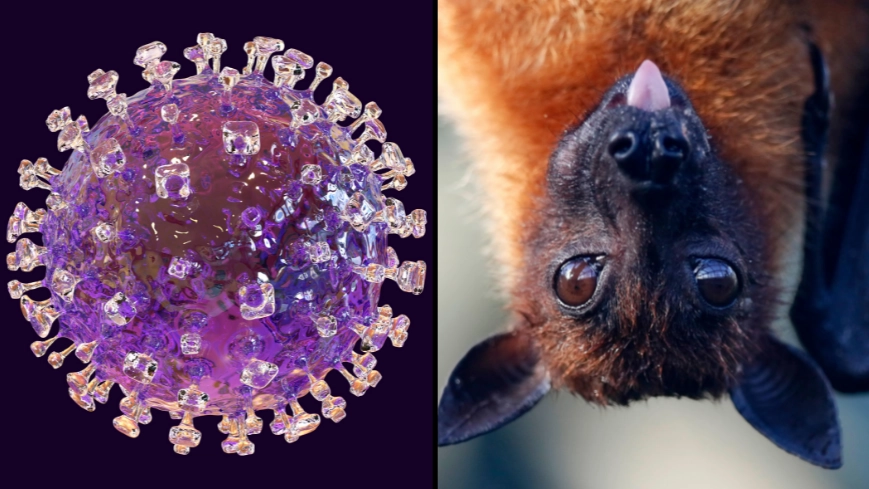
Experts have warned we could be set to face thousands of new diseases in the coming decade, all thanks to climate change. 

A new study says new and emerging viruses could soon appear as they jump from animals to humans with global temperatures rising. 

If only scientists had spent years warning of the backlash of global warming. 

The Georgetown University study predicts that cross-species transmission could be set to dramatically rise in areas such as Asia and Africa.

Advert

The study, published in Nature, predicts at least 15,000 new viral infections will be transferred from animals to humans if temperatures rise by 2 Celsius by 2070. 
agefotostock / Alamy

The study claims that mammal species will see a geographical shift in their location as they attempt to adapt to the changing environments rising temperatures cause. 

This essentially means many of these animals will take their parasites into new areas and set off a chain of diseases. Just perfect. 

The study says: “We predict that species will aggregate in new combinations at high elevations, in biodiversity hotspots, and areas of high human population density in Asia and Africa, driving the novel cross-species transmission of their viruses an estimated 4,000 times.”

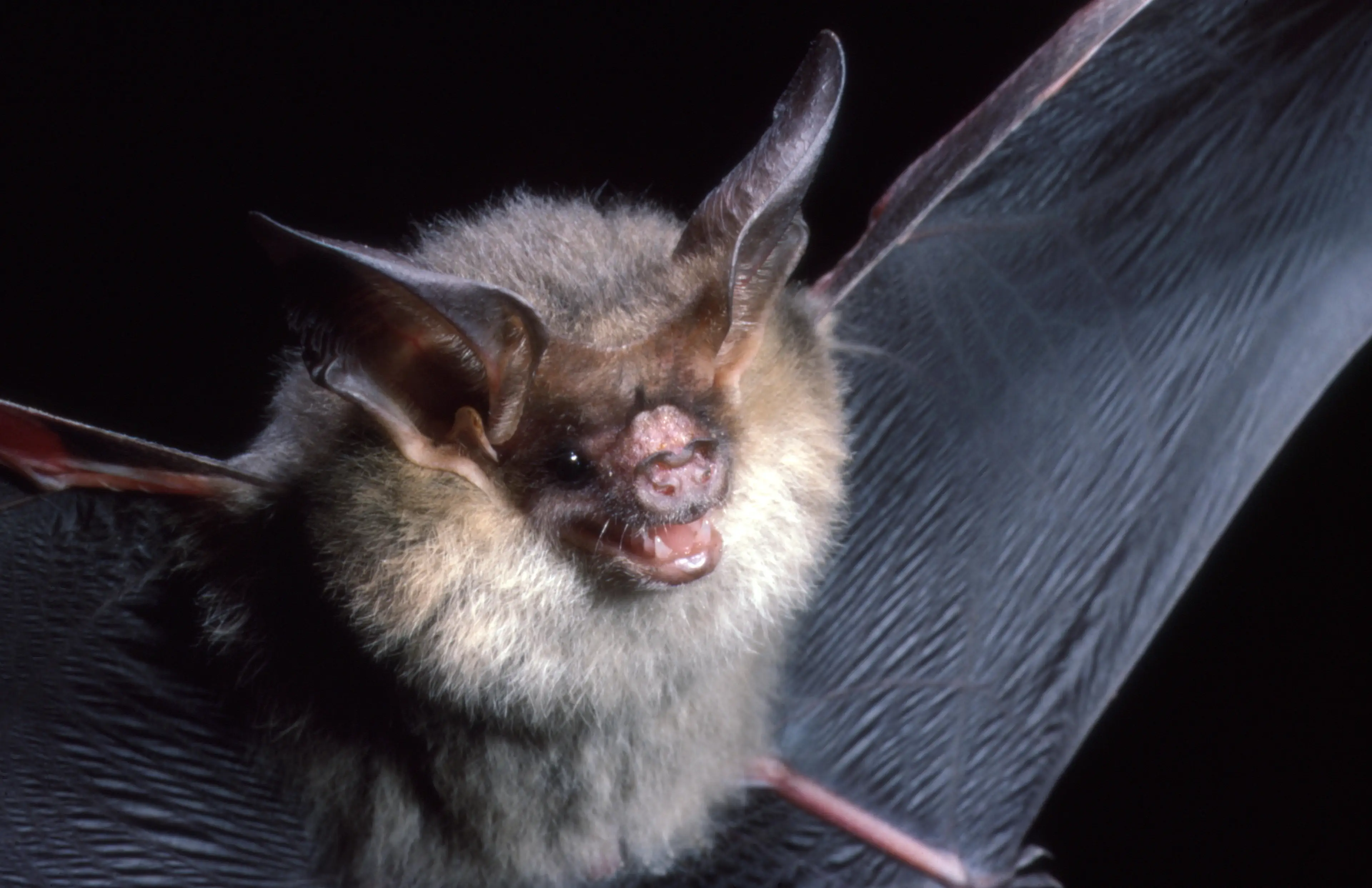
The main predicted culprit? You guessed it - bats. 

Getting pandemic PTSD already.
Selfwood / Alamy

The study continued: “Because of their unique dispersal capacity, bats account for the majority of novel viral sharing, and are likely to share viruses along evolutionary pathways that will facilitate future emergence in humans.”

The study utilised data models of mammal-virus networks and simulated land scenarios for the year 2070 to identify potential hotspots. 

High-density areas in part of Asia and Africa were flagged, as well as tropical regions. 

Sahel, Ethiopian highlands, India, eastern China, Indonesia, and the Philippines were the likely hotspots for these diseases to be first encountered by humans. 

But as we’ve all learnt, none of us is safe from a disease no matter where it starts, and unfortunately, the transition may already be underway, according to the study.

The study concluded that further viral surveillance and discovery efforts as well as species tracking should be undertaken to further understand areas of worry. 
Tom Grundy / Alamy

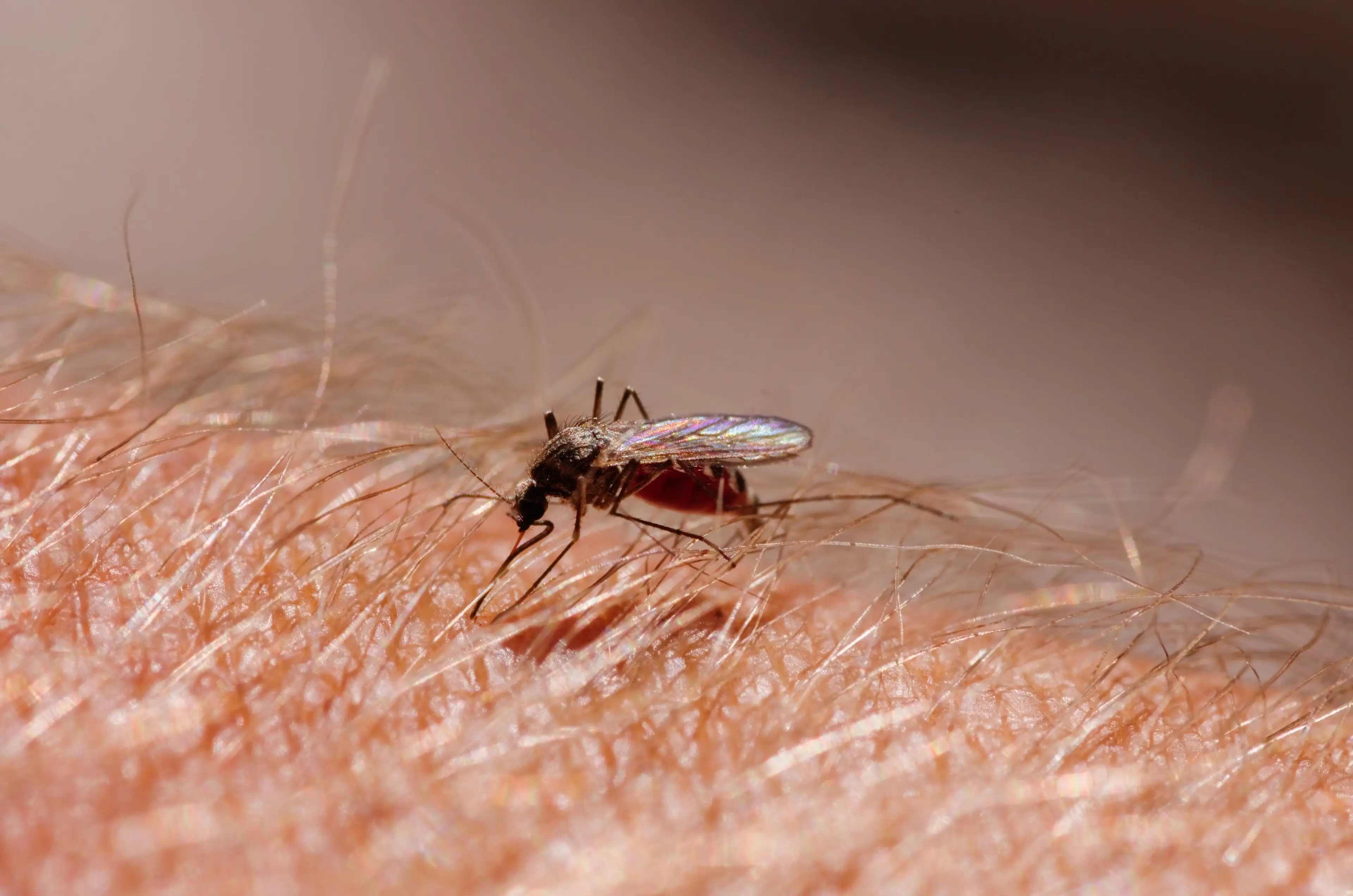
Meanwhile, a recent study found the mosquito-transmitted Zika virus is one mutation away from becoming the next pandemic.

Researchers from La Jolla Institute for Immunology (LJI) in San Diego, California, recently identified a new strain by mimicking how it could mutate in humans by switching the virus back and forth between mosquito and mouse cells.

The findings echo that of the World Health Organization (WHO), which warned that mutations could make the disease more resistant to immunity granted by similar infections. 

I hate to be pessimistic, but it really feels like we’re going out of the frying pan and into the fire.


Featured Image Credit: Science Photo Library / Alamy. Imagebroker / Alamy.

Topics: Animals, Science, Environment, Health

Jayden Collins
Jayden Collins

Jayden Collins is a Journalist at LADbible. He has worked across multiple media platforms in areas such as sport, music, pop culture, entertainment and politics. He is part of the editorial team for LADbible Australia.

Recommended reads

Millions of Brits taking painkillers issued serious warning in new studyGetty Stock ImageExpert explains how to avoid yellow teeth as dentist said there is one common mistakeGetty Stock ImagesGovernment drew up '106 probable UK nuclear targets' during last war with Russia(Getty Stock Images)Monzo founder makes dark prediction about your job in AI futureNoam Galai/Getty Images for TechCrunch

Advert

  • Humans could become 'immune to obesity' as new study says we need to 'delete' part of our bodies
  • Huge ancient tunnels built thousands of years ago weren't made by humans
  • Humans will soon live to 150 years old due to huge breakthrough, says expert
  • Doctor explains why humans are born so 'helpless' but baby animals know exactly what to do

Choose your content:

9 mins ago
29 mins ago
an hour ago
  • Getty Stock Image
    9 mins ago

    Millions of Brits taking painkillers issued serious warning in new study

    Doctors are being urged to 'be cautious when prescribing' the drugs in wake of the research

    News
  • Getty Stock Images
    29 mins ago

    Expert explains how to avoid yellow teeth as dentist said there is one common mistake

    Everyone wants that perfectly white smile but many of us are not helping ourselves with some pretty basic dental hygiene errors

    News
  • (Getty Stock Images)
    an hour ago

    Government drew up '106 probable UK nuclear targets' during last war with Russia

    Here are the places the UK anticipated an attack from Russia during the Cold War

    News
  • Noam Galai/Getty Images for TechCrunch
    an hour ago

    Monzo founder makes dark prediction about your job in AI future

    The future job market doesn't look very bright, according to businessman Tom Blomfield

    News