
Researchers discover potential breakthrough treatment for rare condition Céline Dion lives with

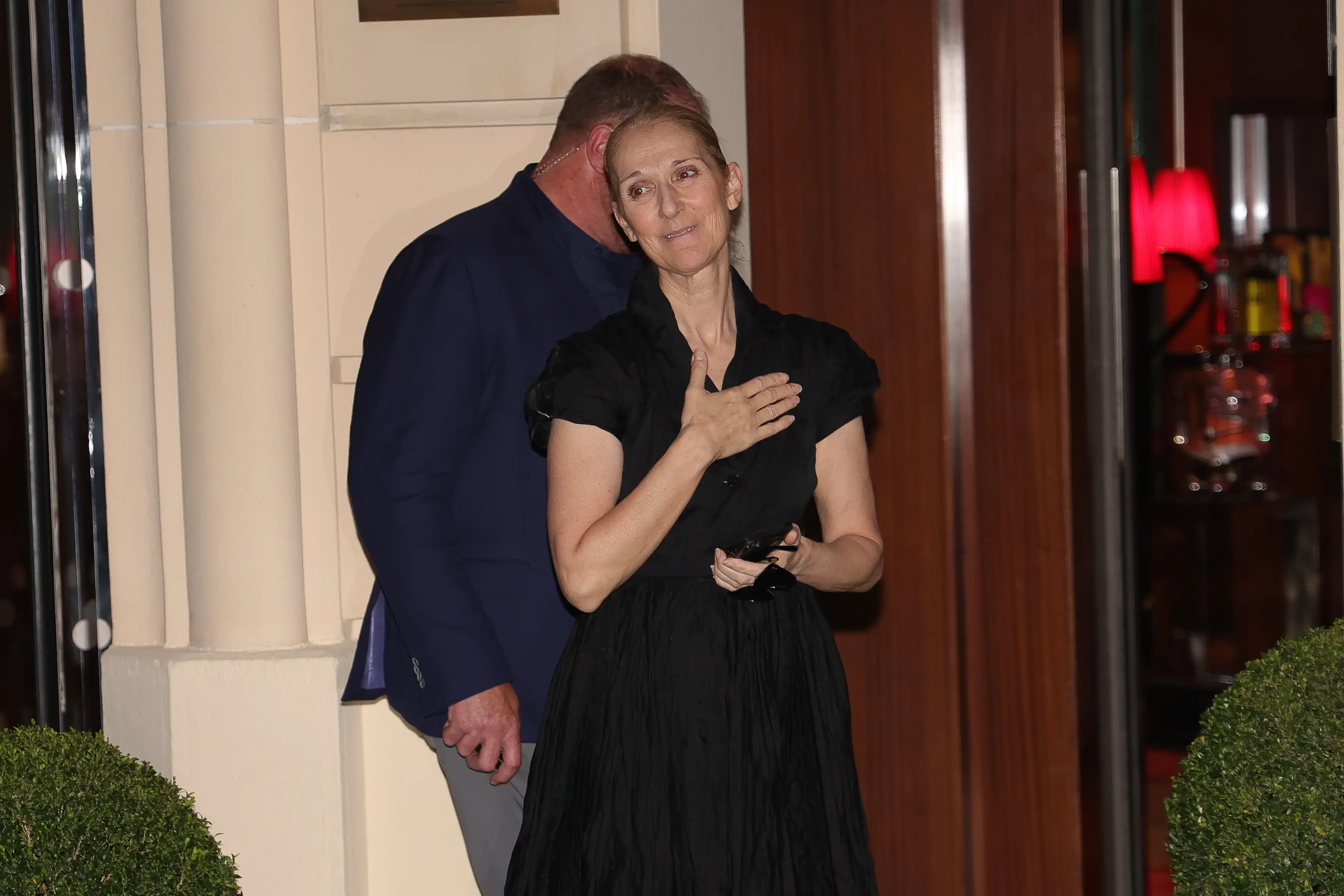
Researchers have discovered a potential breakthrough therapy that could be used to treat stiff-person syndrome, the rare condition that Céline Dion lives with.
The Canadian singer announced that she had been diagnosed with stiff-person syndrome in 2022.
Stiff-person syndrome, or SPS, is a rare autoimmune condition that results in progressive muscle stiffness and causes problems with breathing, swallowing and speaking.
It can also cause painful muscle spasms, which Dion has bravely talked about, and falls.
Advert
The condition is estimated to occur in around just 1-2 per every million people in the US.

Two years on from Dion sharing her diagnosis with the world, the Céline Dion Foundation pledged $2 million into funding, which has since gone on to support critical research.
Dr Amanda Piquet, Dion’s doctor, told WGNTV that this funding has helped lead to the discovery of a ‘potential therapeutic that can be revolutionary for this disease’ based around CAR T-cell therapy.
CAR T-cell therapy is used to treat cancer, but Piquet explained that the treatment can be tweaked so it can be used for people living with SPS by using their own cells to fight the disease.
The T-cells are removed from the blood and sent to a lab where they’re flagged as targets for B-cells.
“When you get those T-cells back, those T-cells are seek and destroy, so they deeply deplete your misbehaving B-cells and then once they do their job, your B-cells come back nice and healthy and basically reset the immune system, so you hopefully have a long-lasting, disease-free, therapy-free, in the end stiff-person syndrome,” Piquet said.
The trial, which was presented by Piquet at the 2026 American Academy of Neurology Annual Meeting in April, involved 26 adults with SPS and found that around four months after treatment the walking speed of all patients had improved, while eight of 12 that had previously relied on a walking aid no longer needed it.
“Sixteen weeks after the therapy, no walker, just walking down the hallway. We saw improvements by 46 percent in patients,” Piquet said.
“So just incredible."
Although the research is in its early stages, Piquet told the outlet that the results are promising.
“I’m not ready to use the ‘C’ word yet," she added.
"Time will tell. We need to study these patients long-term to understand the durability, but this is a very promising therapy.”
 Claire Reid