Neurologist shares quick ‘three movement’ dementia test that can be big sign

A neurologist has shared a simple dementia test that could be big sign as to whether you will go on to develop the condition.
Able to be done at home and with no equipment, one specialist has shared the simple screening tool which could help people better understand their cognitive functioning.
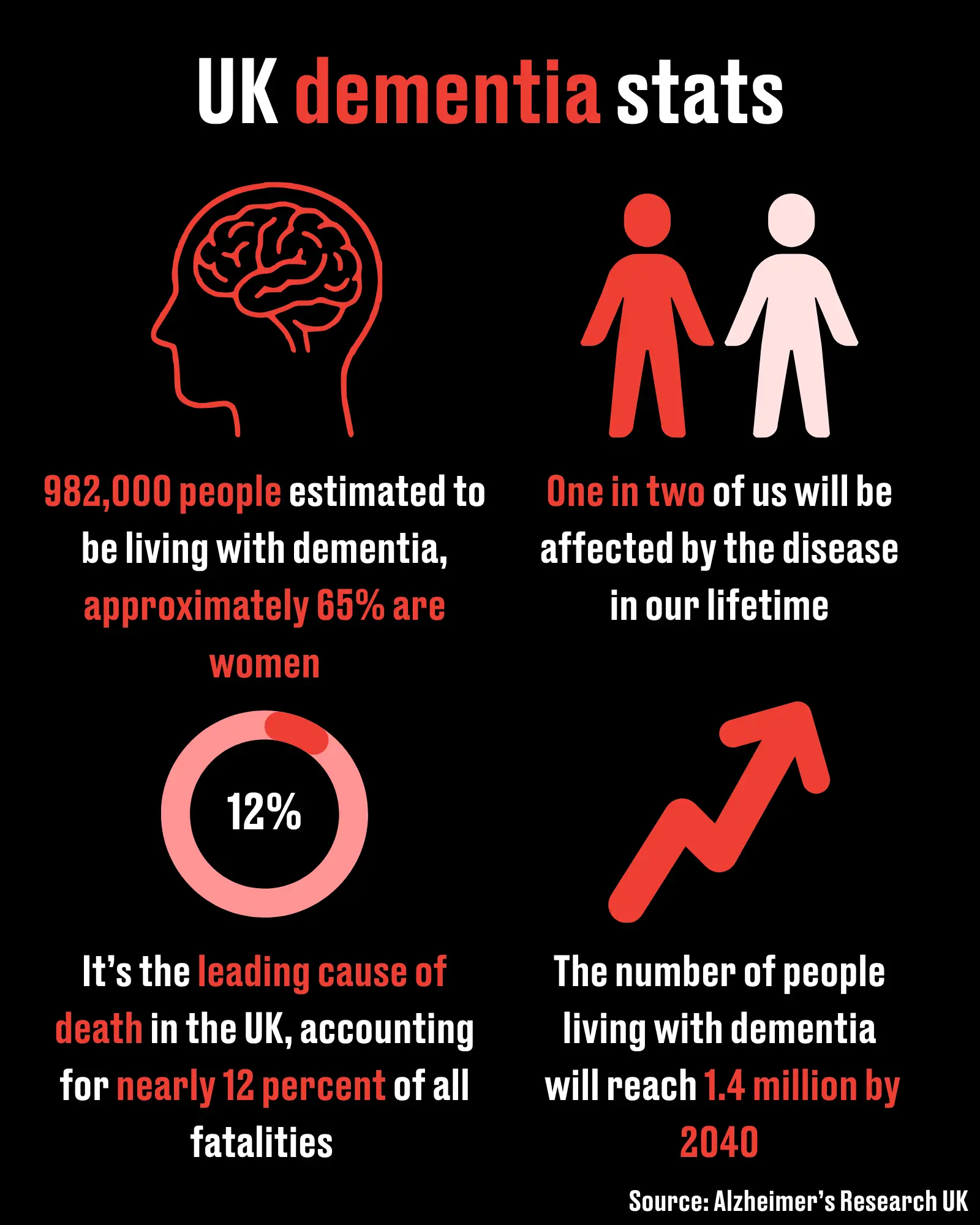
Globally, around ten million people are diagnosed with dementia each year. Early-onset dementia typically strikes people aged in their 50s or 60s.
According to the NHS, the condition causes memory loss, difficulty with thinking and planning such as with problem solving or decision making and losing track of time or getting lost.
Advert
It also can mean people with the condition struggle with communication, such as struggling to find the right words, losing the ability to speak or read, and also has an effect on mobility.
To be able to perform a check on how well the frontal lobe is working, neurologist Dr. Adnan Husein has shared a social media video to TikTok.
It was shared to demonstrate 'the quickest test for dementia,' which involves three simple hand motions and is known as the Luria Test, or 'Fist-Edge-Palm test.'
Describing it, the neurologist explained: "Hands can display subtle clues about brain health.
"Certain changes in movement, tone, dexterity, or behaviour of the hands may point clinicians toward conditions such as Alzheimer’s disease, frontotemporal dementia, or other neurological disorders."
How to do the test
First, you make a fist with one hand, placing it in the palm of the other hand which is opened.
Then, the hand is opened and placed with the little finger down on the opposite palm like a karate chop. The third movement sees the hand turned to face down, with palms touching.
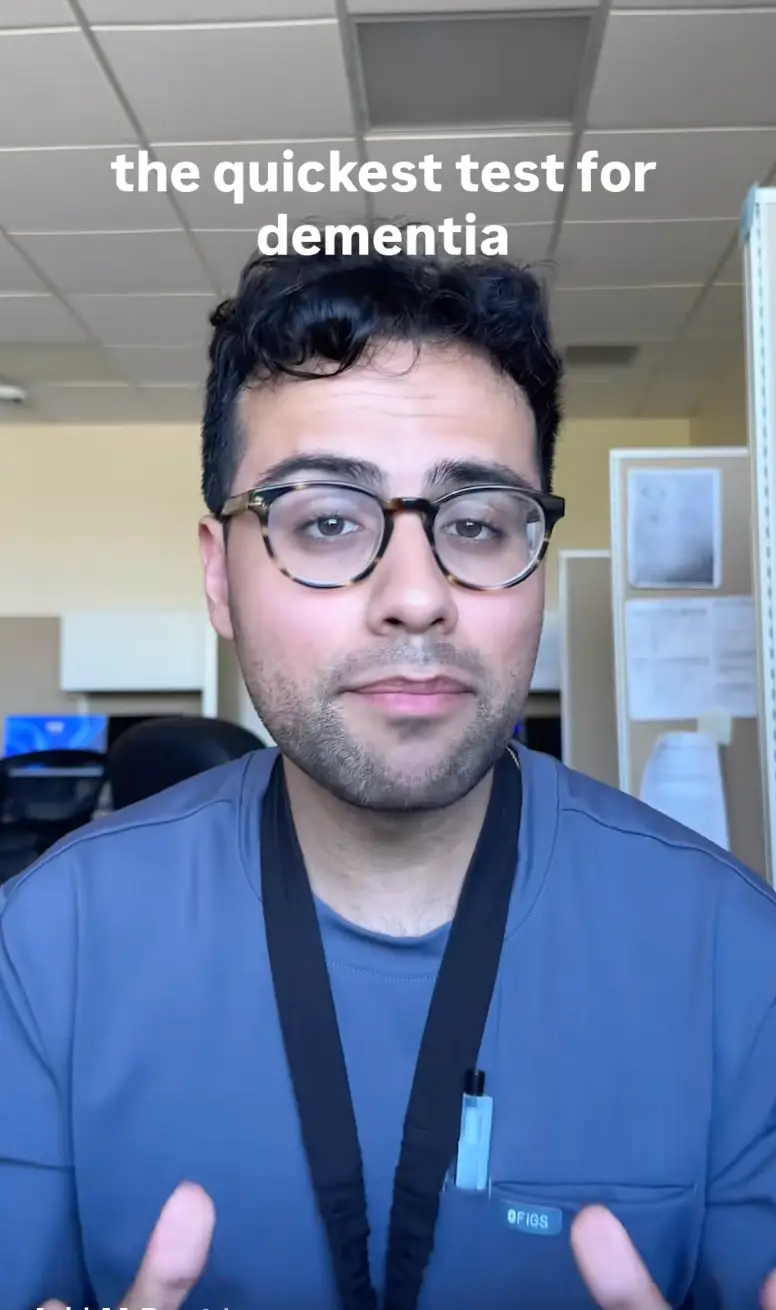
According to Husein, the motions test different parts of the brain, specifically 'motor function, executive function and sequencing.'
He explained: “For some people, they can’t do the movement smoothly.
"They sometimes perseverate on the same movement again and again, or they miss the sequence.”
Studies have shown that over 50 percent with Alzheimer's disease struggle to complete the test. Although, having difficulty of course does not always point directly to dementia.

Those with different types of dementia also have difficulties completing the task, as Dr Husein explained that 'almost 70 percent' of patients with frontal temporal dementia have trouble.
Dr Husein went on to say: "Not every change in the hands means dementia. However, when hand changes occur alongside memory loss, personality shifts, language difficulties, or problems with planning and judgment, they strengthen the case for neurological assessment.
"Frontotemporal dementia often presents with behavioural changes and altered social use of hands, while Alzheimer’s more typically begins with memory and progressive functional decline that can include fine motor loss over time."
He continued: "Hands can offer valuable clues about brain health but are one part of a bigger clinical picture.
"If hand changes appear together with memory loss, behavioral shifts, or language problems, seek neurologic evaluation to clarify the cause and plan next steps."
 James Holt