Earth’s ‘second moon’ has been pictured for the first time ever

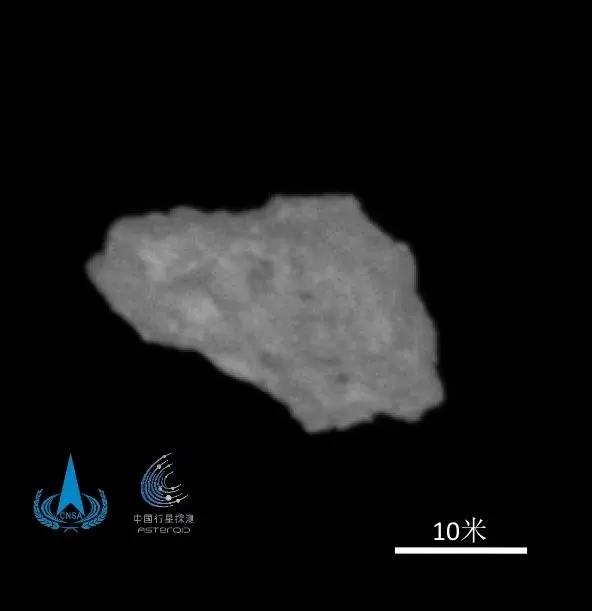
Earth's 'second moon' has been pictured for the first time ever to give the clearest look we've ever had at the small object in space that passes our planet once every few decades.
It's called Kamo’oalewa, a name which is Hawaiian in origin since it was first seem by a telescope situated on Hawaii back in 2016, and while it's actually something called a 'quasi satellite' the moniker of a 'second moon' has rather stuck.
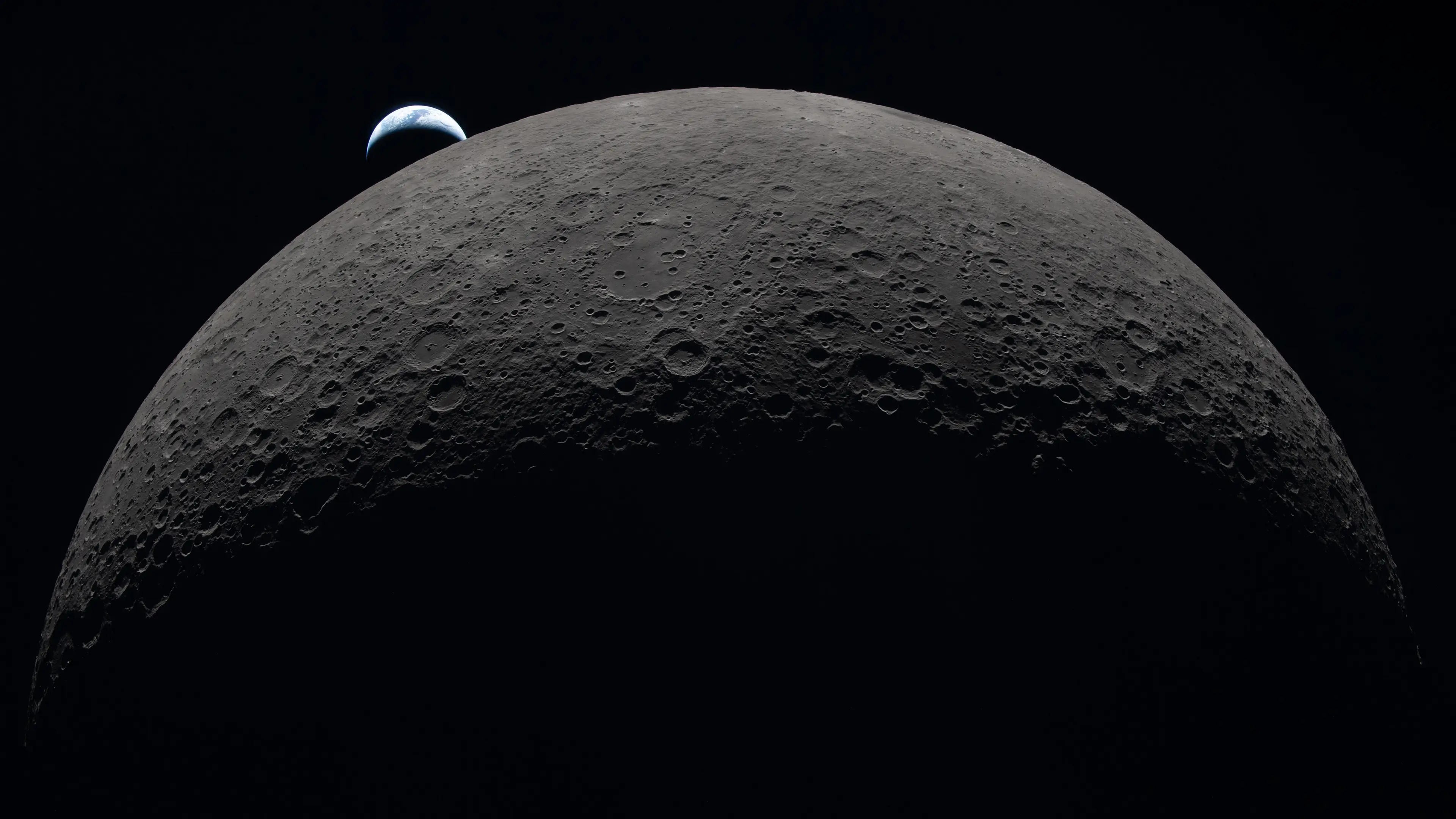
That's in part because some researchers have suggested that this chunk of space rock actually comes from our own Moon, being a piece that was knocked off a very long time ago.
Space reports that between one million and 10 million years ago a major impact might have torn a chunk of something off our moon, and that something could be Kamo’oalewa.
Advert
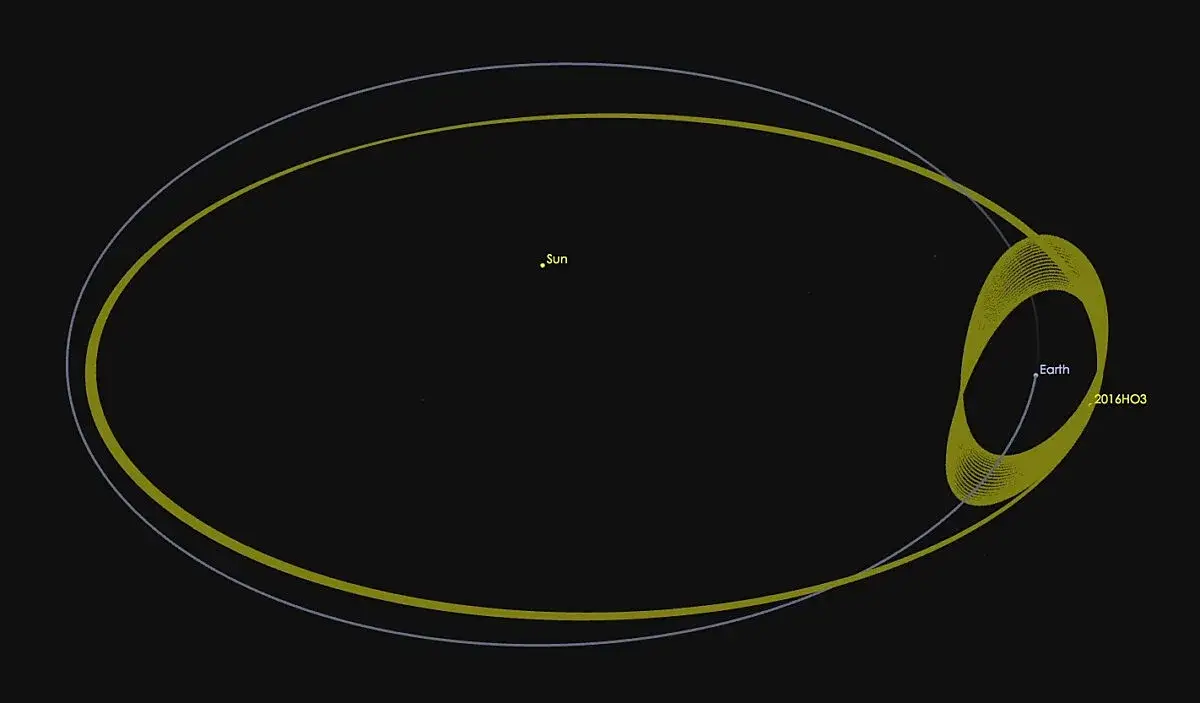
Earth actually has several of these quasi satellites, but Kamo’oalewa is the closest one to our planet and passes by the Earth every 45 years as it orbits the Sun.
Because of the way its orbit works it keeps moving around the Earth as it follows a similar trajectory around the Sun, being closer for half the time and further away the other half.
Observations of this space oddity from a Chinese mission come from the Tianwen-2 probe that was launched last year and has travelled 620 million miles to reach Kamo’oalewa.
It got to within 12 miles of the 'second moon' and will spend a year studying it before it makes the attempt to collect a sample from the space rock.
The 'second moon' appears to be between 40 and 100 metres in diameter, so it could be the smallest bit of space rock humanity has ever sent a spacecraft to.
If samples can be collected from it then it could help us learn for sure where it came from and if it is indeed something that once was part of our own Moon.
They'll be hoping to discover what it's made of and whether it contains any trace of water, as well as a plethora of other features that could tell us more about this thing.
We really don't know very much about it since it's so small, was only properly discovered a decade ago and this is the first clear image we've managed to take of it.
If it was actually a true moon it'd need to properly orbit Earth, when instead it merely closely follow's Earth's own orbit around the Sun in an elliptical pattern.
There is so much unknown about our Solar System, but now we know a little more about one small part of it that follows our planet around the Sun.
 Joe Harker