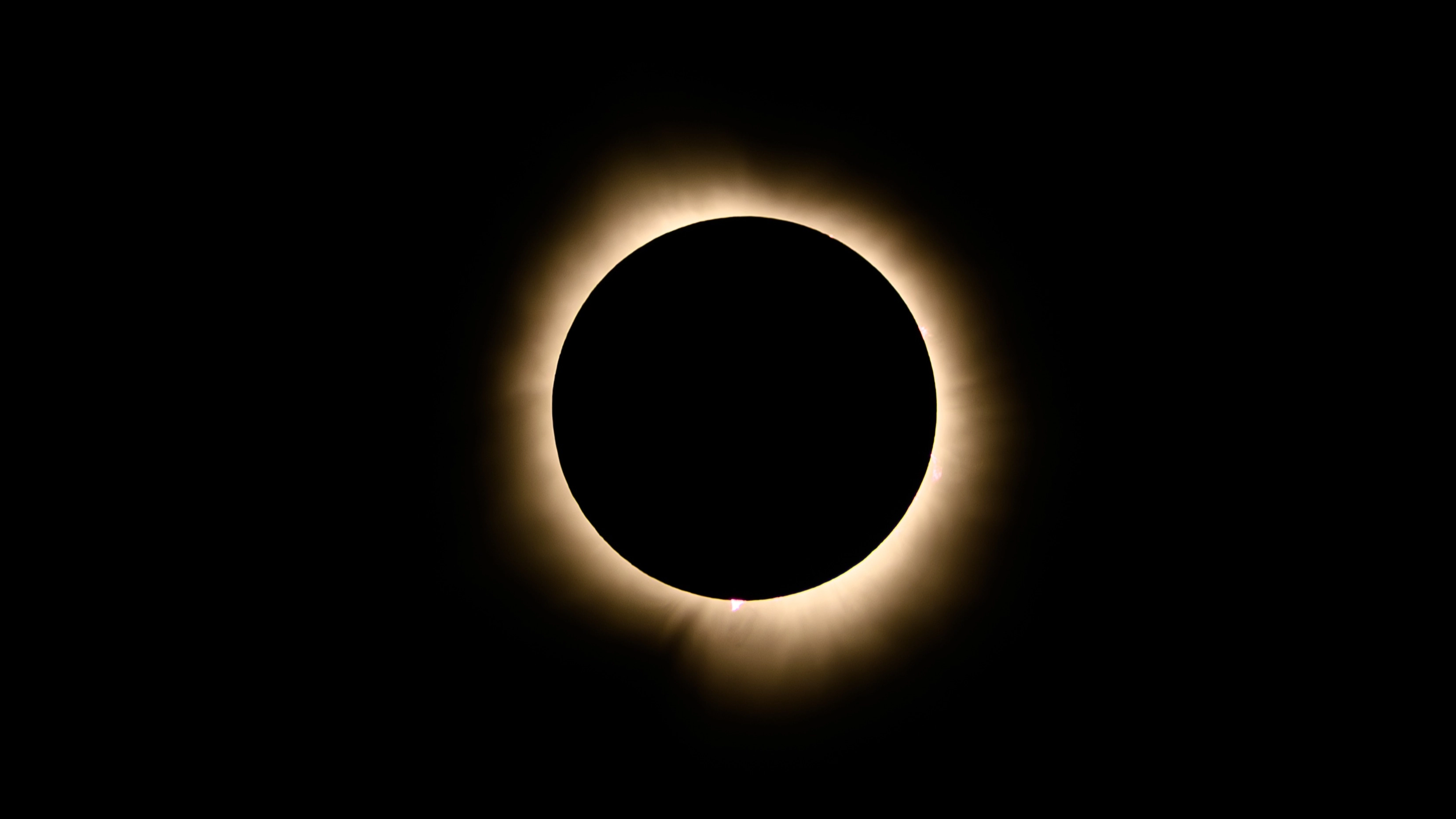
Why the world will go dark for six minutes in rare solar event seen for first time in 100 years

Mark your calendars, because scientists have revealed an incredible celestial event is set to take place for the first time in a hundred years and won't be seen for another century.
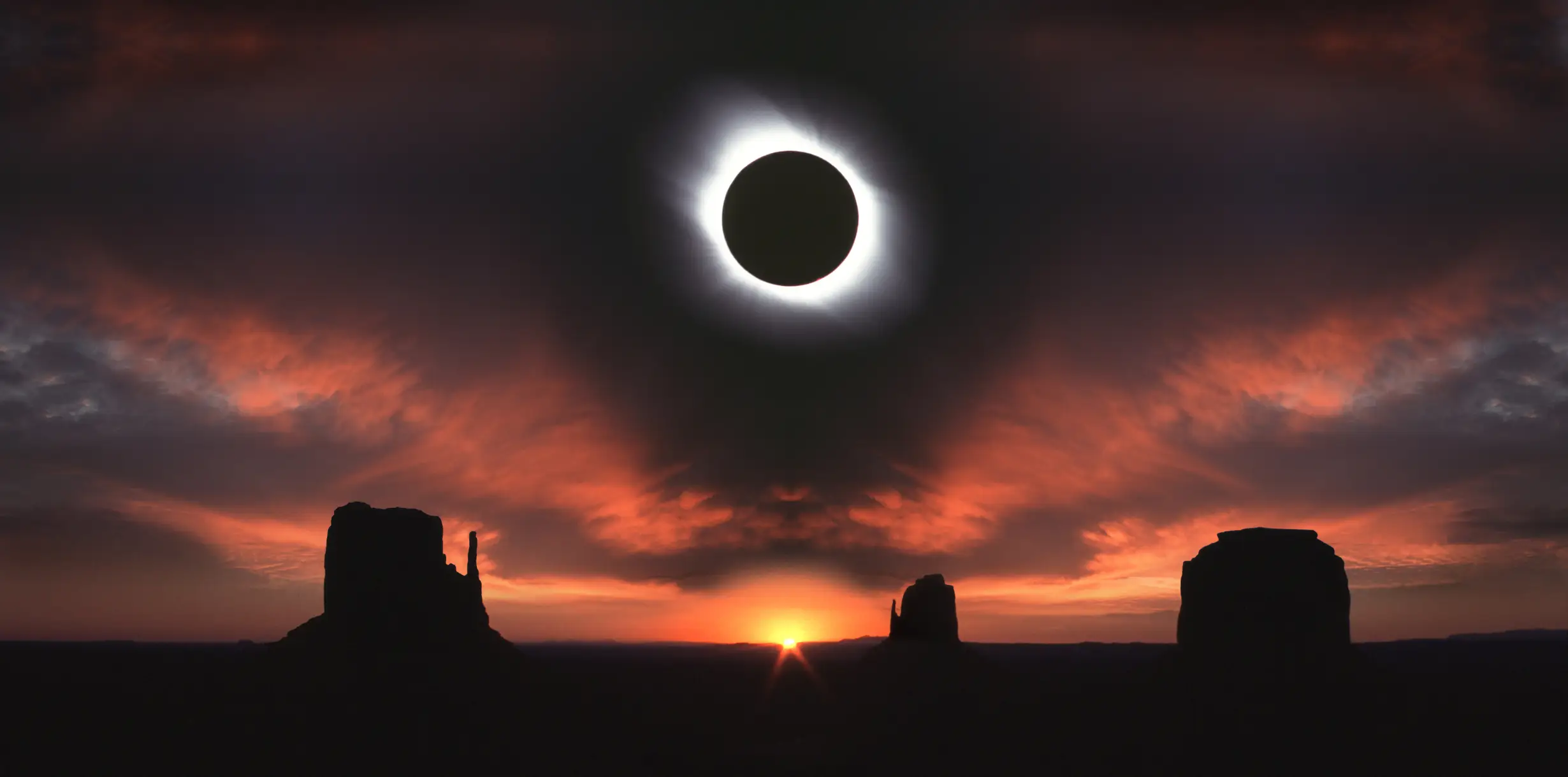
The rare event will see the world plunged into darkness for more than six minutes in the middle of the day — something which you'll probably only see once in your lifetime, unless you happen to live past 100, that is.
A total solar eclipse will see the moon completely blocking out the sun, resulting in the land being cast with shadows during a time which would ordinarily be bright sunlight.
The darkest part of this shadow is known as the 'totality,' and if you're in the right place at the right time you can stay within it for several minutes.
Advert
When will the rare solar eclipse take place?
The incredibly rare eclipse is set to take place on 2 August, 2027, so you've still got a bit to go before witnessing the occurrence.
It's important to note that where you are in the world will impact just how long the solar eclipse will appear and if you really want the best seat in the house, you're going to have to head to Luxor in Egypt, where the eclipse will be visible for the longest time. As such, this particular eclipse has already been dubbed the Great North African Eclipse.
Fear not, however, if you can't make it to Egypt that day, as you can also witness the incredible event from a few other spots around the globe, including all over North Africa, and a few parts of Southern Europe, including Gibraltar.
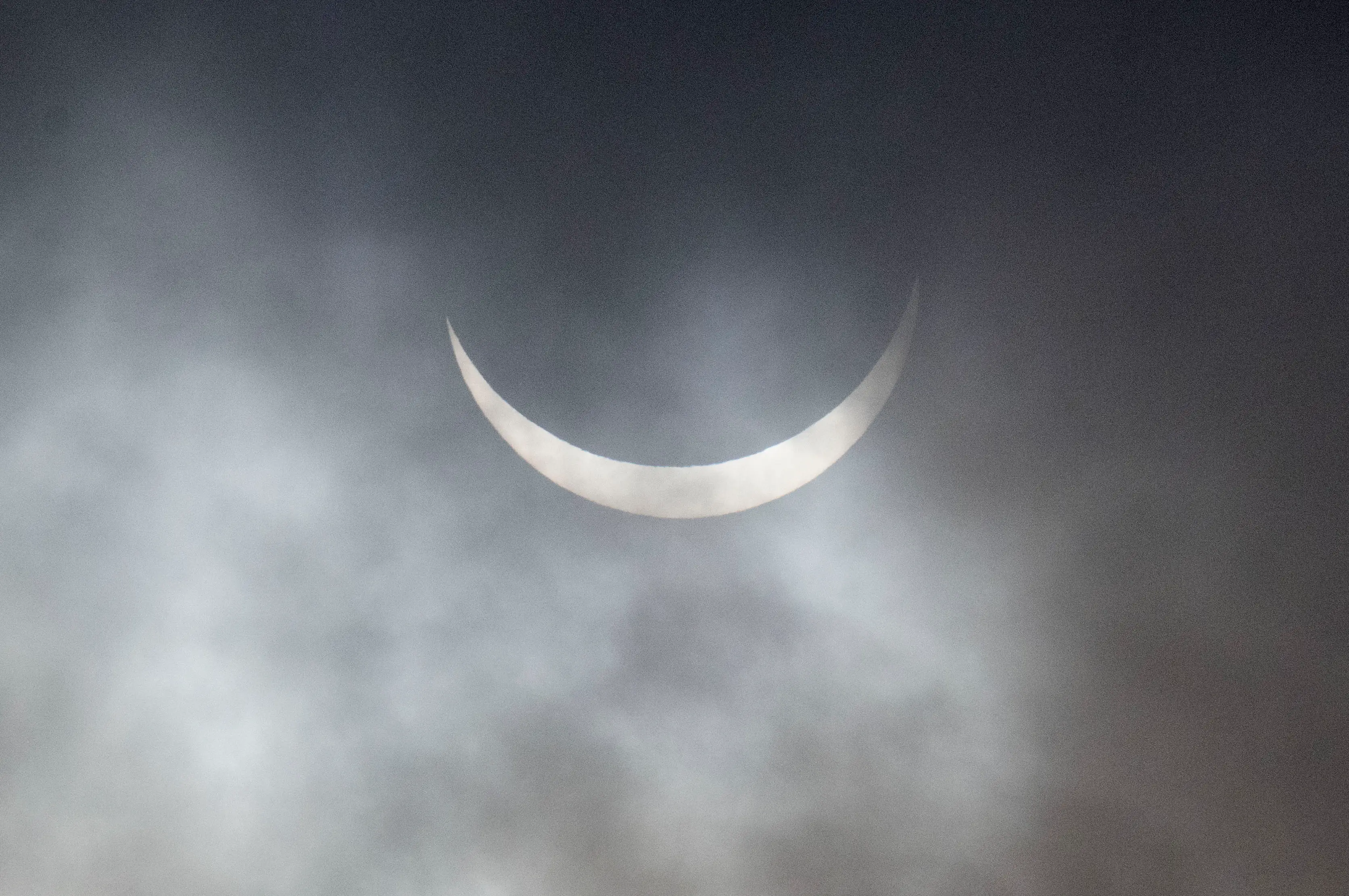
In other parts of the world, the solar eclipse will appear as a partial solar eclipse, which will still be stunning to witness, but not quite as impressive as the total eclipse.
While there are several solar eclipses taking place between now and August 2027, none will compare timewise — with the exception of an eclipse happening in February 2026, however this eclipse is annular, which is where the moon appears smaller than the sun, so doesn't cover it in its entirety.
Why do solar eclipses happen?
Solar eclipses on the whole are not that rare, and happen whenever a moon or other celestial object passes between the sun and us.
Although the sun is actually 400 times bigger than the moon, it also happens to be 400 times further away, which makes their size appear somewhat the same. This means that when the moon comes in front of the sun, it perfectly blocks out the star.
 Emma Rosemurgey