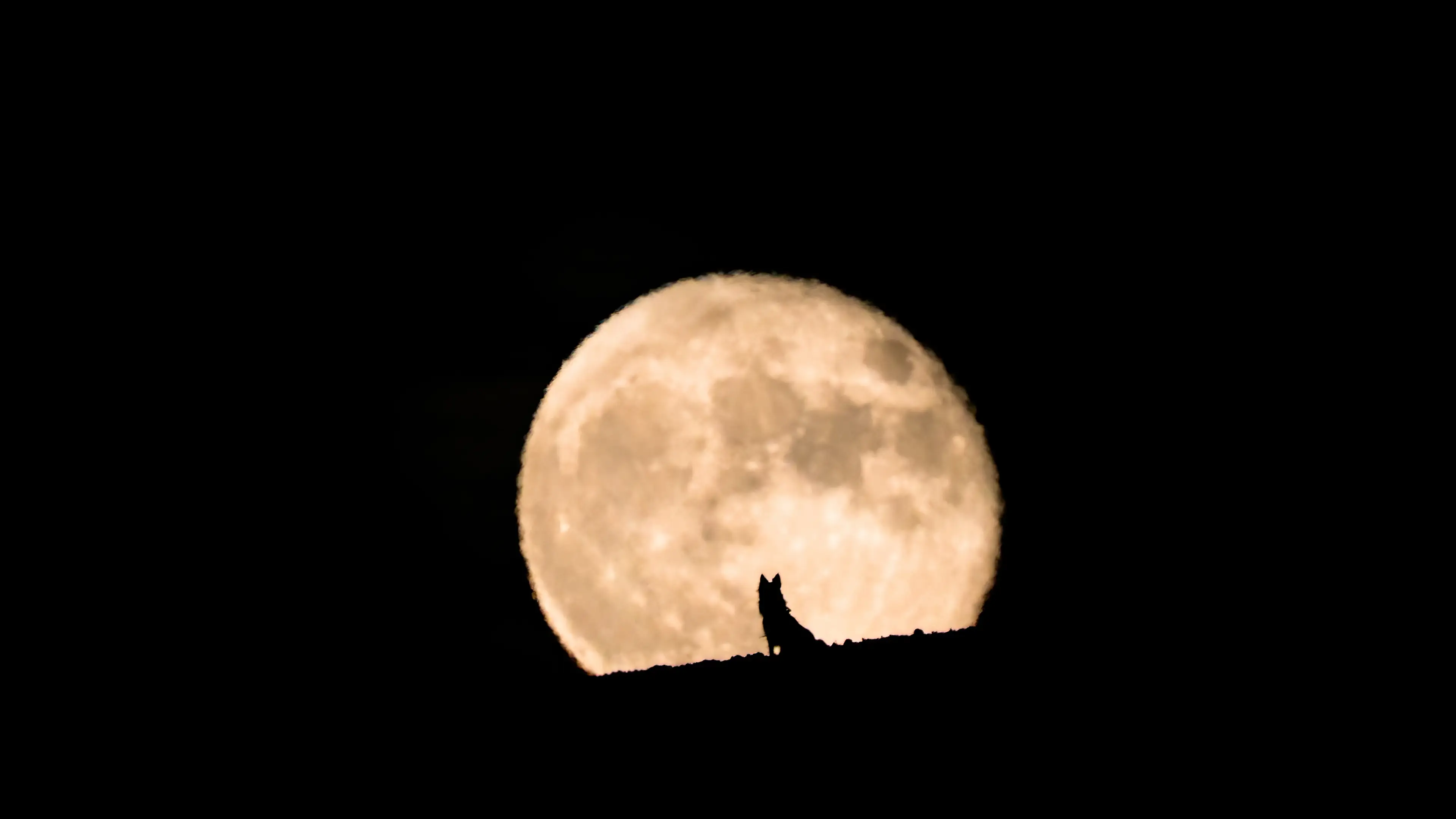
When to see January's Wolf supermoon as last of its kind appears until end of 2026

A new year is upon us and regardless of whether you believe in resolutions and making changes, a new year can provide a fresh start.
And if you're the spiritual kind, into manifestation and universal guidance, you're in luck because the first supermoon of the year is set to light up the skies tomorrow (3 January).
People who practice spirituality believe a supermoon is a time to 'feel deep gratitude for blessings and recommit to your path, amplifying positive energy,' which sounds pretty good for a dull, dark January.
If you're not into all that, no matter, because the Wolf supermoon is still pretty cool in its own right — and it's your last chance to see the phenomenon until the end of 2026.
Advert
Also known as the Wolf moon, which signals the first supermoon of the year, the celestial event will appear in the sky tomorrow, though how well you can see it will depend entirely on the weather.
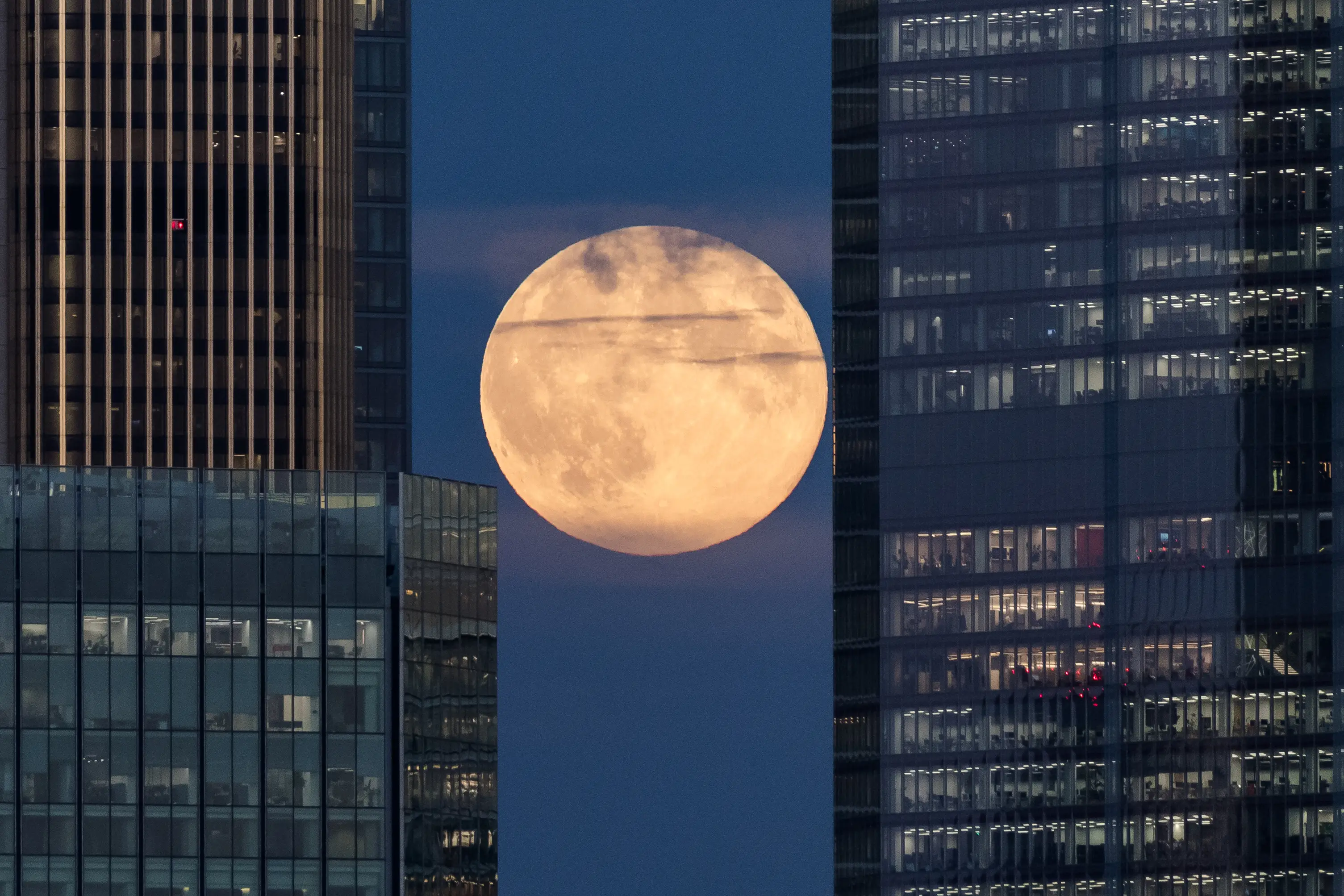
It is called the Wolf supermoon as it is named after the howling of hungry wolves, which were often heard during January back when food was scarce.
When to see the Wolf supermoon
The Wolf supermoon is set to rise on Saturday, 3 January, and will be at its fullest just after 10am UK time. However, if you want to see the moon in full effect, you should catch it when its closest to the horizon during evening moonrise.
When to see this will depend on where you are in the UK, for example, it will be at 3.06pm in Aberdeen, 3.58pm in Belfast, 3.51pm in Oxford and 4.03pm in Swansea, BBC reports.
What a supermoon actually is
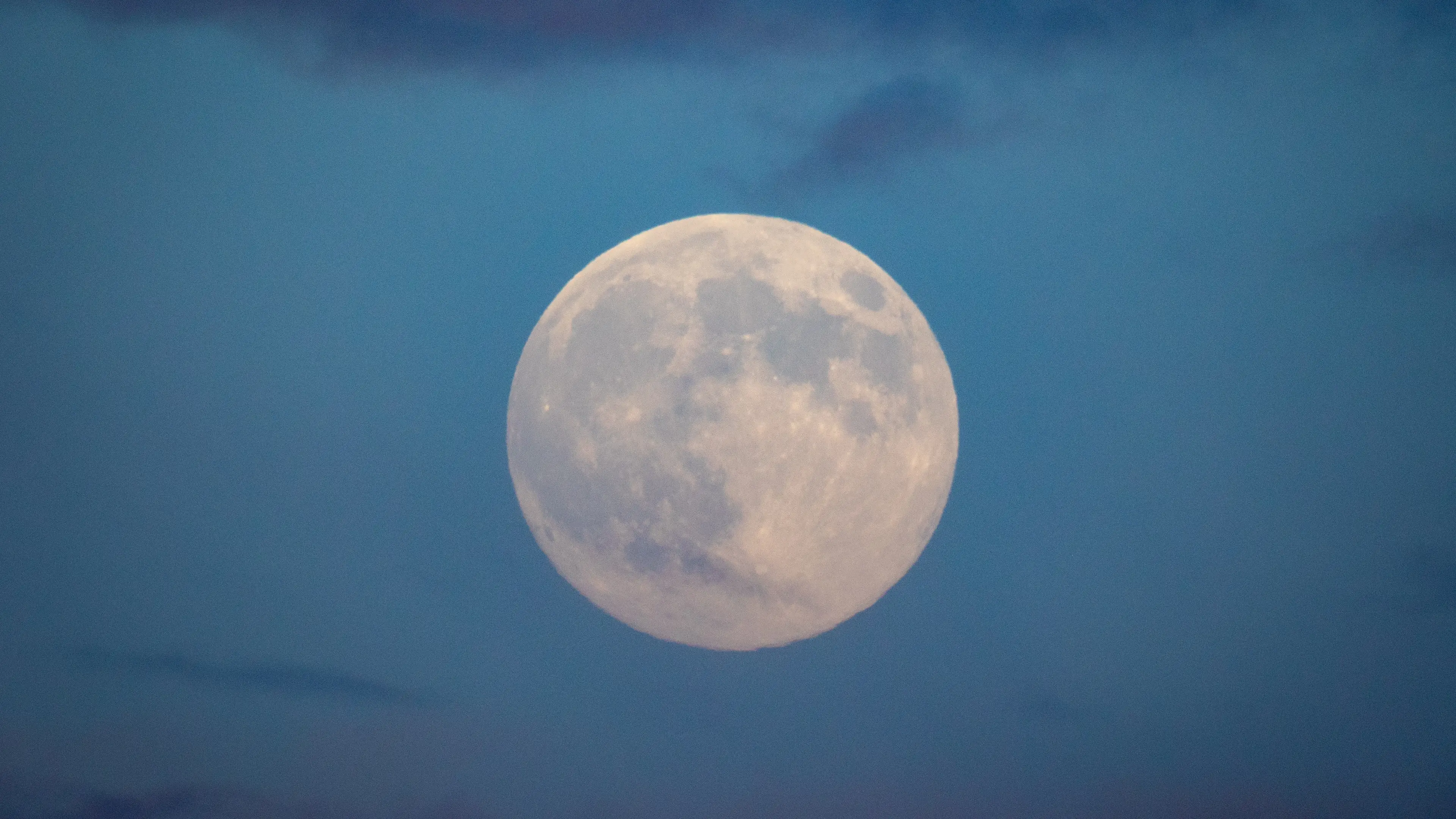
A supermoon refers to a full moon at its closest point to Earth.
Because the moon orbits Earth in an egg-shaped elliptical orbit rather than a perfect circle, there are times when it is significantly closer to our planet than others. At its closest point, known as its perigee, the moon is roughly 220,000 miles away, whereas when it's at its furthest point from Earth, or its apogee, it's around 250,000 miles away.
When a moon is within 90 percent of its perigee, it can be classed as a supermoon.
Despite the fact there will be plenty of full moons during 2026 — 13 to be exact — tomorrow's event will be the last supermoon until November and December.
This is because the other full moons don’t occur close enough to perigee to be classified as supermoons, meaning the 3 January Wolf supermoon will be the last one visible for around 10 months.
 Emma Rosemurgey