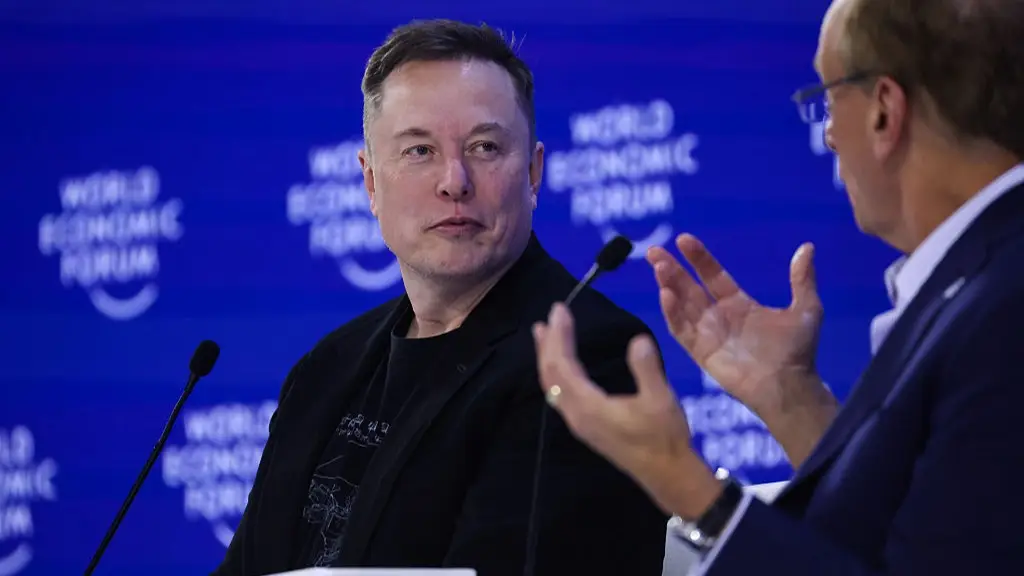
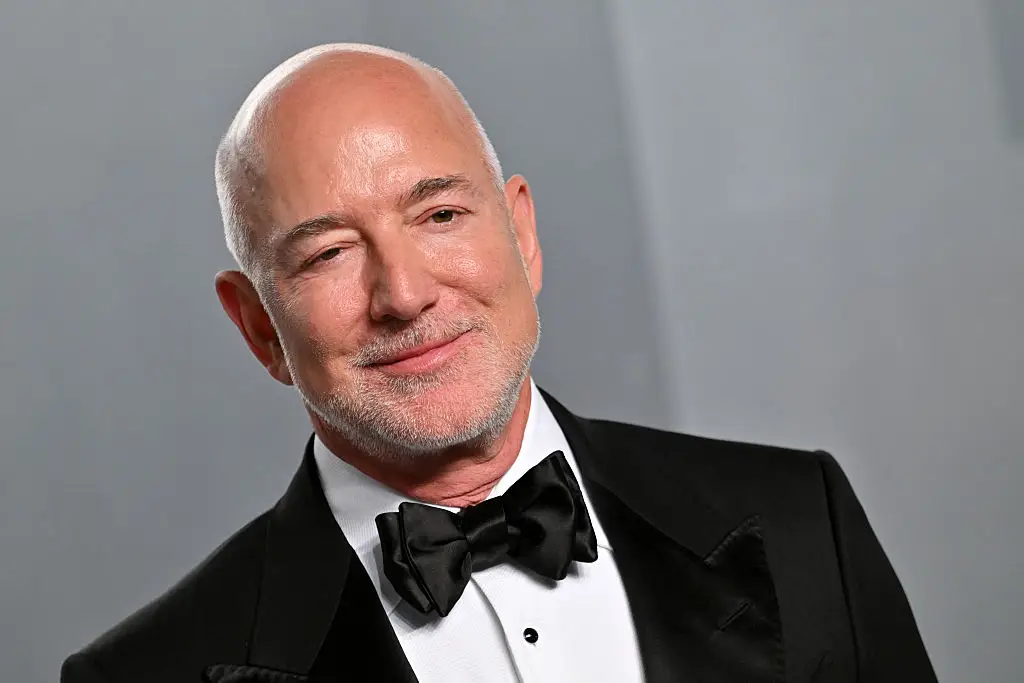
Jeff Bezos and Elon Musk enter AI space race as one million satellite constellation targeted

Jeff Bezos and Elon Musk are ushering in the era of the AI space race – with potentially devastating repercussions for humanity.
Earlier this week it was announced that Bezos' company Blue Origin - the very same one which launched Katy Perry into space for a few minutes last year - had requested permission to create a constellation of 51,600 satellites in the night sky.
Named 'Project Sunrise' the proposed project would create orbital data centres as a way of combating the increasing number of resources swallowed up by artificial intelligence in the coming years.
"Blue Origin’s Project Sunrise will serve the broad AI data center market and enable U.S. companies developing and using AI to flourish, accelerating breakthroughs in machine learning, autonomous systems and predictive analytics in support of broad societal benefit," read the company's application, per Space News.
Advert
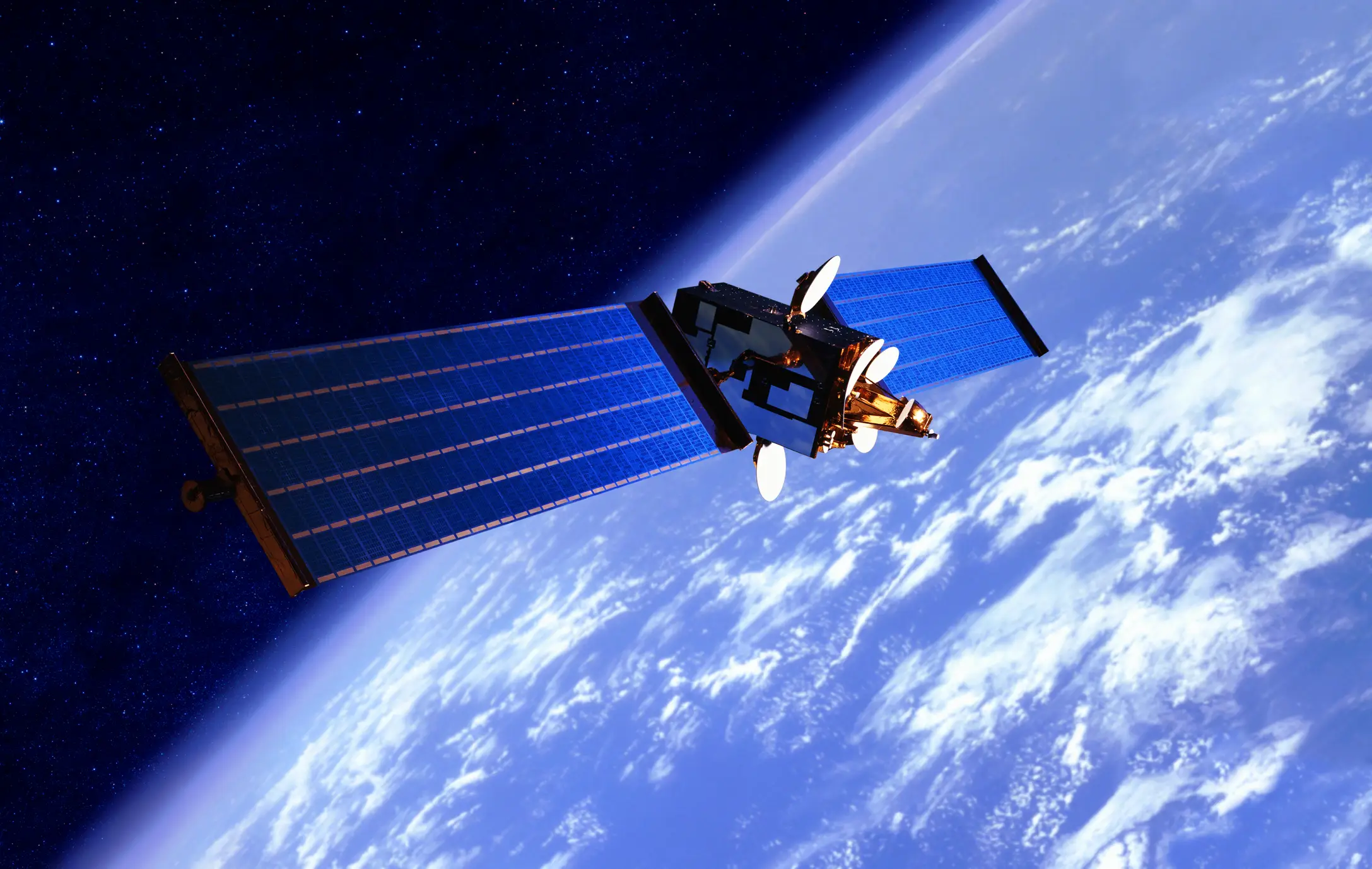
"The built-in efficiencies of solar-powered satellites, always-on solar energy, lack of land or displacement costs, and nonexistent grid infrastructure disparities fundamentally lower the marginal cost of compute capacity compared to terrestrial alternatives."
Bezos isn't the only tech billionaire who believes dumping AI data centres in space is the answer to concerns about the environmental impact of computer generated content, with Musk's company SpaceX and start-up company Starcloud both filing applications with the Federal Communications Commission which seeks permission to deploy AI data centres into space, according to the Wall Street Journal.
The news comes just days after Musk's Starlink launched it 10,000th satellite into the cosmos in attempt to bring some of the most rural parts of the world online.
However plans to offload more and more of our technology into space is raising alarm bells for some, particularly those familiar with the concept of Kessler syndrome.
What is Kessler syndrome – and why could it be bad news for humanity?
A concept coined by Donald Kessler in 1978, Kessler syndrome is the theory that launching multiple objects into Low Earth Orbit (LEO) without a plan to eventually bring it back down could lead to collisions between satellites and ultimately prevent us from leaving Earth.
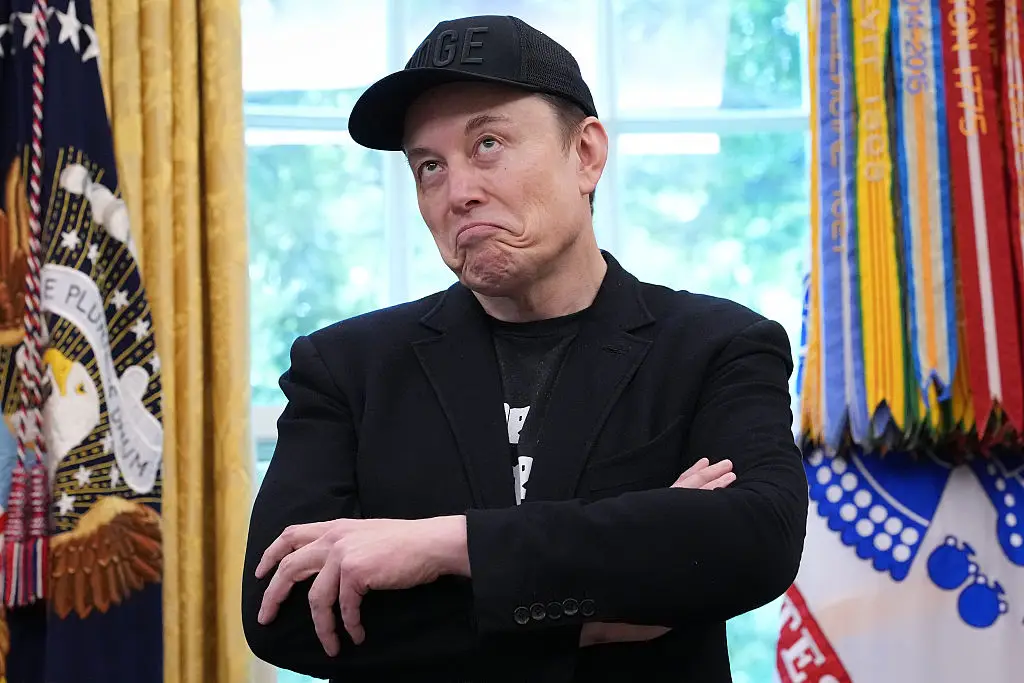
Which means Musk wouldn't be able to achieve his dream of dying on Mars if the rocket can't leave Earth in the first place.
However a 2023 paper, titled 'Kessler’s syndrome: a challenge to humanity', saw space debris expert at the University at Buffalo professor John L Crassidis go one step further and said the phenomena was 'going to come true', saying: "If the probability of a collision is so great that we can’t put a satellite in space, then we’re in trouble."
If a scenario in which we were unable to launch satellites into the space were to come true it would have far reaching implications for our daily life, with everything from air travel to the agricultural industry and healthcare being impacted.
There's also the risk of debris from satellites falling to Earth and causing serious injury, with a 2023 warning from the Federal Aviation Administration (FAA) saying that satellites currently orbiting our planet could either seriously injure or kill someone by 2035.
"Kessler syndrome would be catastrophic to modern civilization as we have come to know it," astrophysicist Neil DeGrasse Tyson warned in an interview with StarTalk last year.
Topics: Space, Science, Elon Musk, Jeff Bezos
 Brenna Cooper