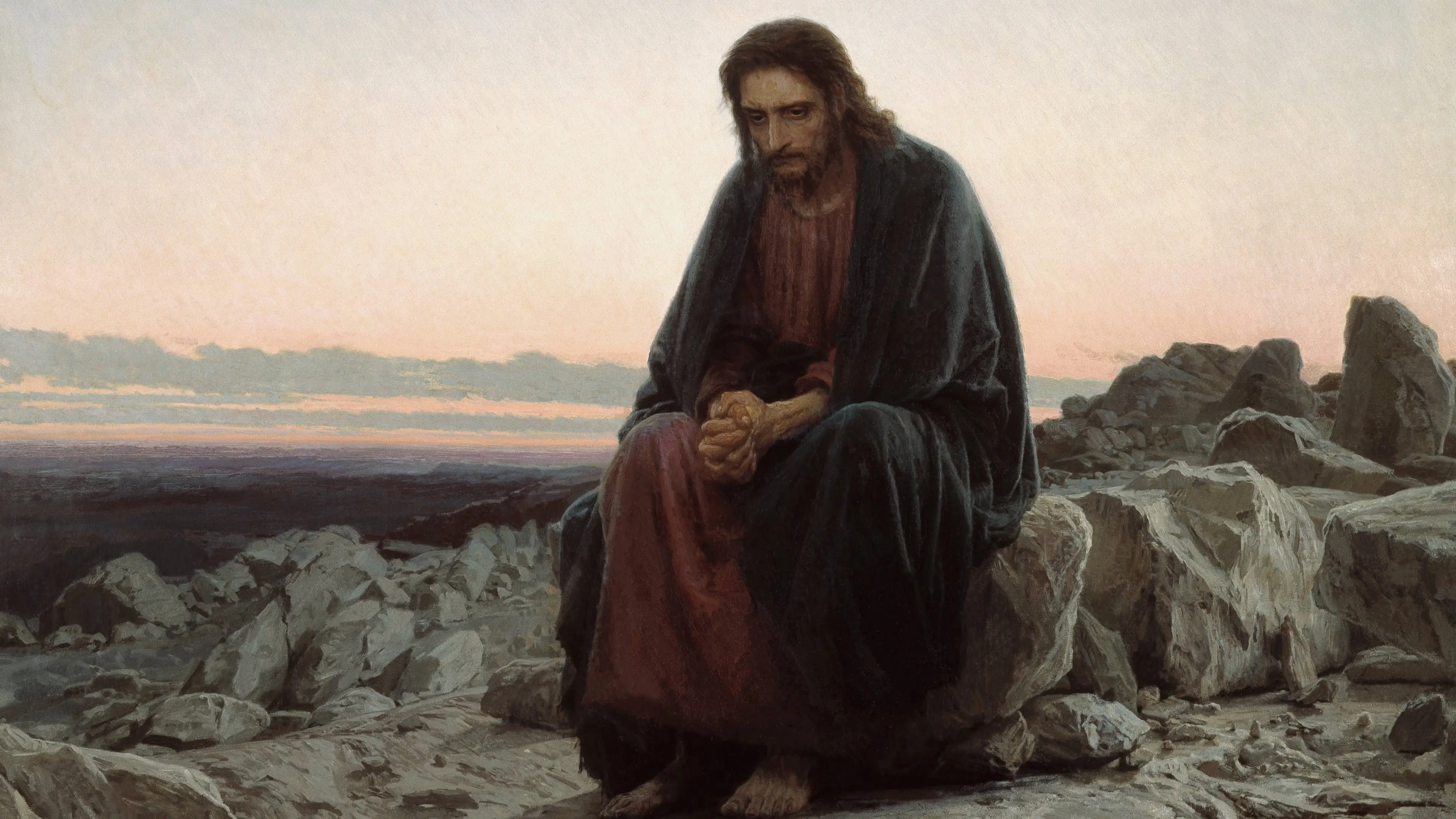
Study has ‘evidence’ that Jesus rose from the dead

As Christians all over the world celebrate Easter Sunday, a study has revealed supposed evidence that confirms the meaning of the annual holiday.
Easter, Pasch, Pascha, or Resurrection Sunday – all of the names mean the same thing in Christianity. The day Jesus Christ rose from the dead.
According to the New Testament, Jesus rose from the dead three days after his crucifixion, but the accounts in the text have been widely debated since the beginning of the Abrahamic religion, some 2000 years ago.
Taking into account the passages, supposed eyewitness accounts, physical evidence like the Shroud of Turin, and more, scholars have found it hard to come to the conclusion that Jesus resumed life after being killed.
Advert
Until now.
A new study has put all claims to the test to determine that the ‘resurrection hypothesis’ is the most ‘probable’ explanation for what happened to Jesus after his body was placed in a tomb and days later, vanished.
Its author, Pearl Bipin, who is an engineer with the National Institute of Technology in Goa, India, studied all available pieces of the puzzle, including the empty tomb, people claiming to have seen Jesus after his death, his followers, and naysayers becoming believers.
For example, the Roman historian Tacitus, wrote in the early second century, that a person known only as ‘Christus’ was executed during the time Emperor Tiberius ruled under Pontius Pilate.
As Jesus was crucified by the Romans, the fact that it was written in Roman text and talks of Roman authorities has merit in the study.
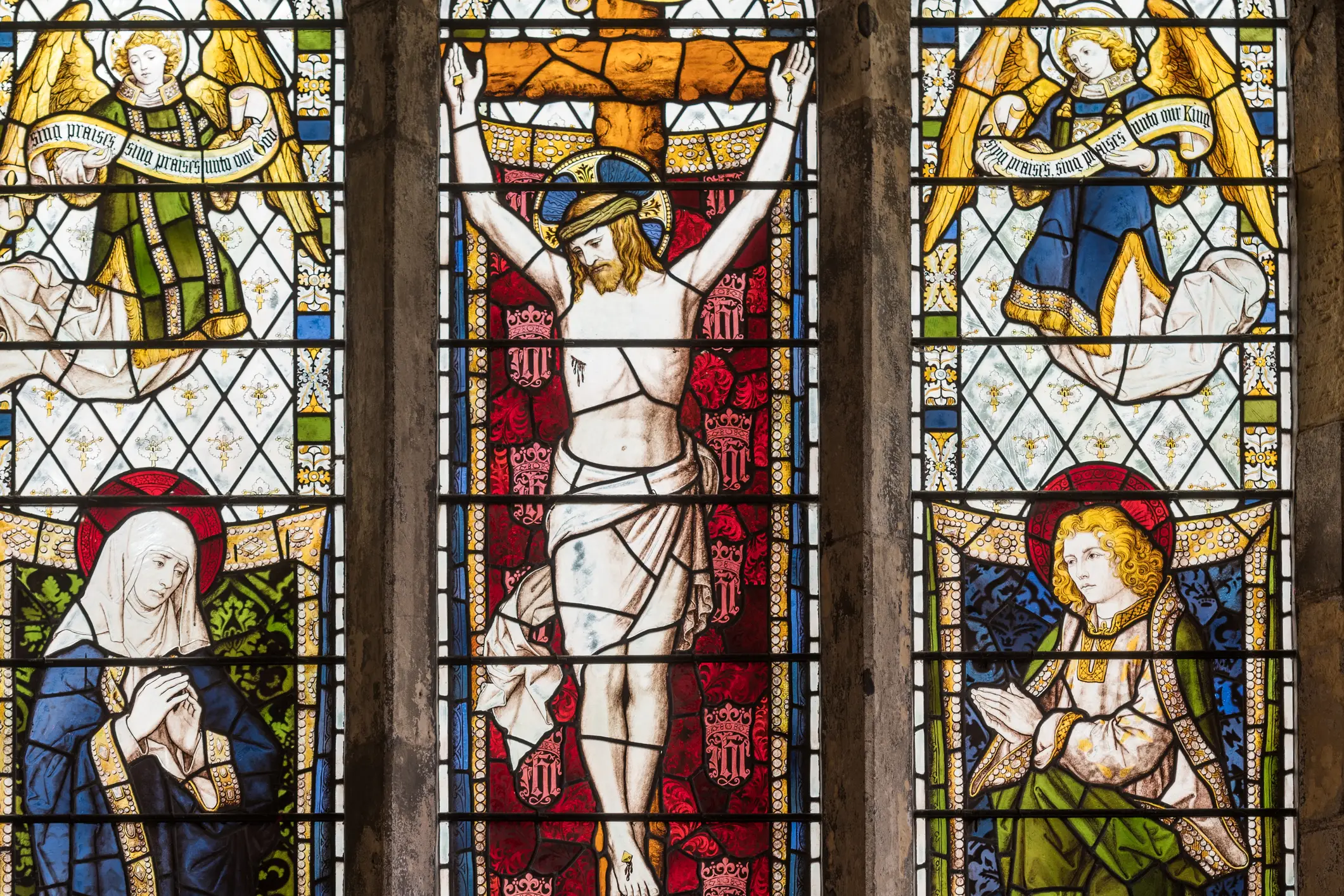
Jewish historian Flavius Josephus, also mentioned Jesus being crucified as he talked about his brother James’s death – a sceptic who turned Christian after Jesus apparently appeared to him after being killed.
These third-party historical reports helped to shape the 'framework of certainty' that Jesus lived, was killed, and then spread the faith that he was the son of God.
In the Gospel of John, he wrote that a Roman soldier stabbed Jesus' side, and 'blood and water' came out.
But Bipin says this shows that it could explain the possibility of Jesus having a buildup of fluid around the lungs and heart due to heart failure and injury by the Romans.
According to Bipin, that alone supports that Jesus would have died due to the crucifixion.
“If Jesus had swooned and appeared to the disciples, he would have looked like a man half-dead, desperately in need of medical attention,” the study noted, adding: “As David Strauss, a German liberal Protestant theologian, noted in the 1800s, such a figure could not possibly have inspired the disciples to proclaim him the 'Prince of Life' and the conqueror of death. His survival would have elicited pity, not worship.”
The author wrote that the rising of Christ should be taken as a serious historical event, writing: “Conversely, the resurrection hypothesis, when situated within a theistic philosophical framework supported by arguments from consciousness and modern verification of miracles, emerges not merely as a possibility, but as the most coherent and probable explanation for the rise of the Christian faith.”
 Britt Jones