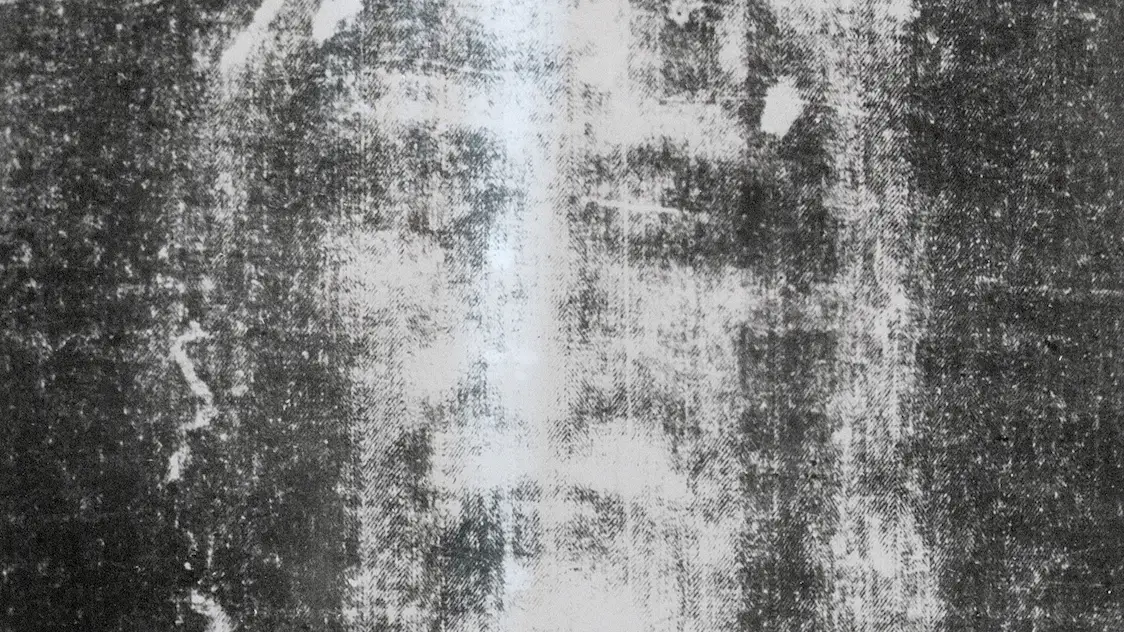
New DNA found on controversial religious relic Shroud of Turin that some believe ‘confirms’ existence of Jesus

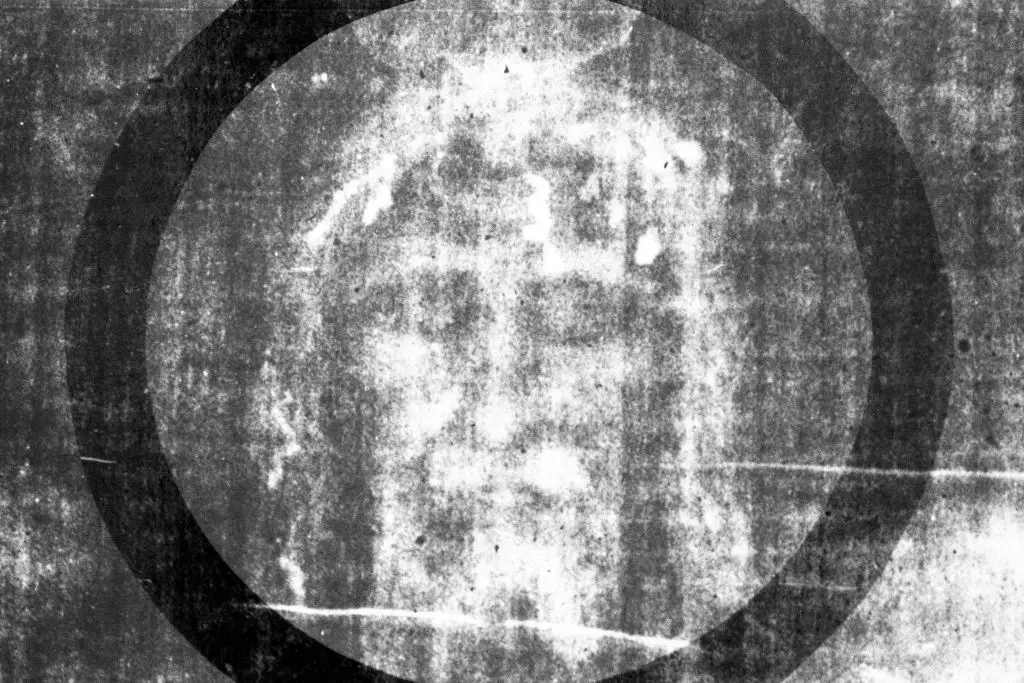
One of the world's most famous religious relics is the Shroud of Turin, a length of cloth believed to carry the image of Jesus Christ imprinted onto it.
It's supposed to be the burial shroud of Jesus himself, but the authenticity of it has been called into question time and time again.
While the historical evidence points towards Jesus being an actual person the idea that this length of cloth was something he was wrapped in is a far more contentious claim.
Arguments against its authenticity include scientific evidence that indicates it's nowhere near old enough to have been around two millennia ago, while others have argued the imprint on it is not what you'd get from wrapping it around a body.
Advert
Now a new study on the religious relic has found it is absolutely covered in the DNA of all sorts of things that have come into contact with it over the years.
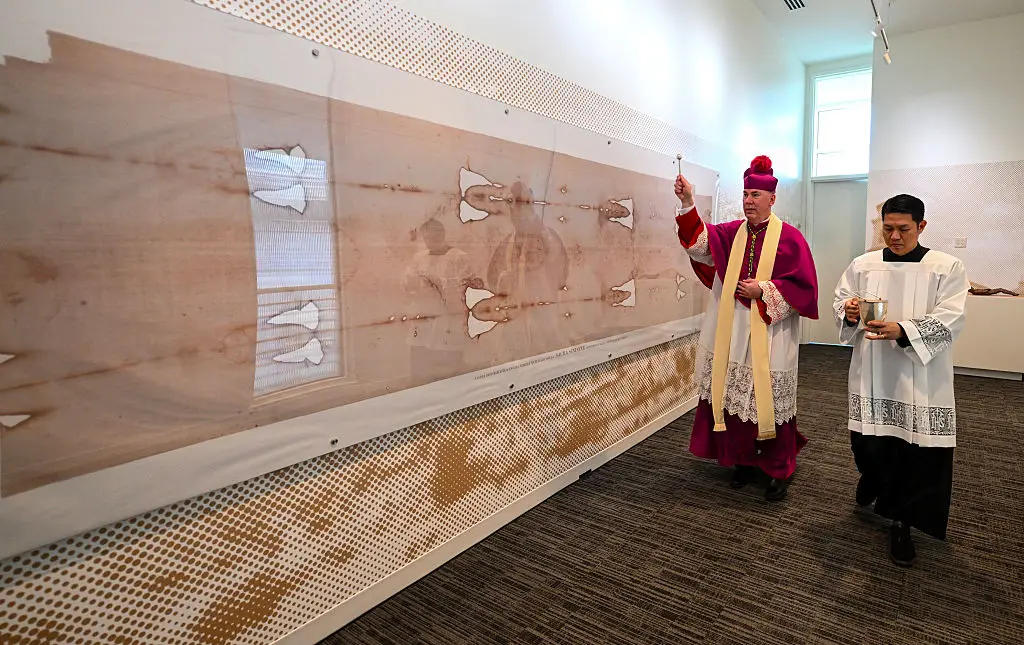
New Scientist reports that Gianni Barcaccia of the University of Padova had suggested in 2015 that the cloth of the Shroud of Turin might have originated from India, and now in a new study he's uncovered a plethora of DNA evidence.
What they found are traces of a vast amount of animals including cats, dogs, chickens, cows, goats, sheep, pigs horses, wild deer and rabbits.
There were also traces of fish found on cloth with traces of grey mullet, Atlantic cod and ray-finned fishes found on there, along with marine crustaceans, flies, aphids, skin mites and ticks.
As well as animal traces there was also evidence of plants including traces of peppers and potatoes that would have been far from the shroud's origin points.
However, the time when these plants and animals came into contact with the Shroud of Turin can't be nailed down so we won't know when it first encountered the potato.
Meanwhile, they also found traces of DNA from the various people who've handled it over the years, including that of previous teams of researchers who've handled it in their studies.
Barcaccia's study found that around 40 percent of the human DNA on the Shroud of Turin can be traced back to India, from which they get the suggestion of the cloth's origin.
Anders Götherström of Stockholm University, who was not involved with the study, contested the claims of a potential Indian origin.
He said: "I still see no reason to doubt that the shroud is French and from the 13th-14th century."
Götherström said that while a radiocarbon dating experiment in 1988 which showed the Shroud of Turin was over a millennia too young to have been in contact with Jesus had 'some debate' around it he said it was generally seen as 'sufficiently robust'.
 Joe Harker