Scientists left baffled after new ‘footprints’ discovered on Mars

There could finally be an answer to whether there is life on Mars after scientists were left baffled by a new discovery.
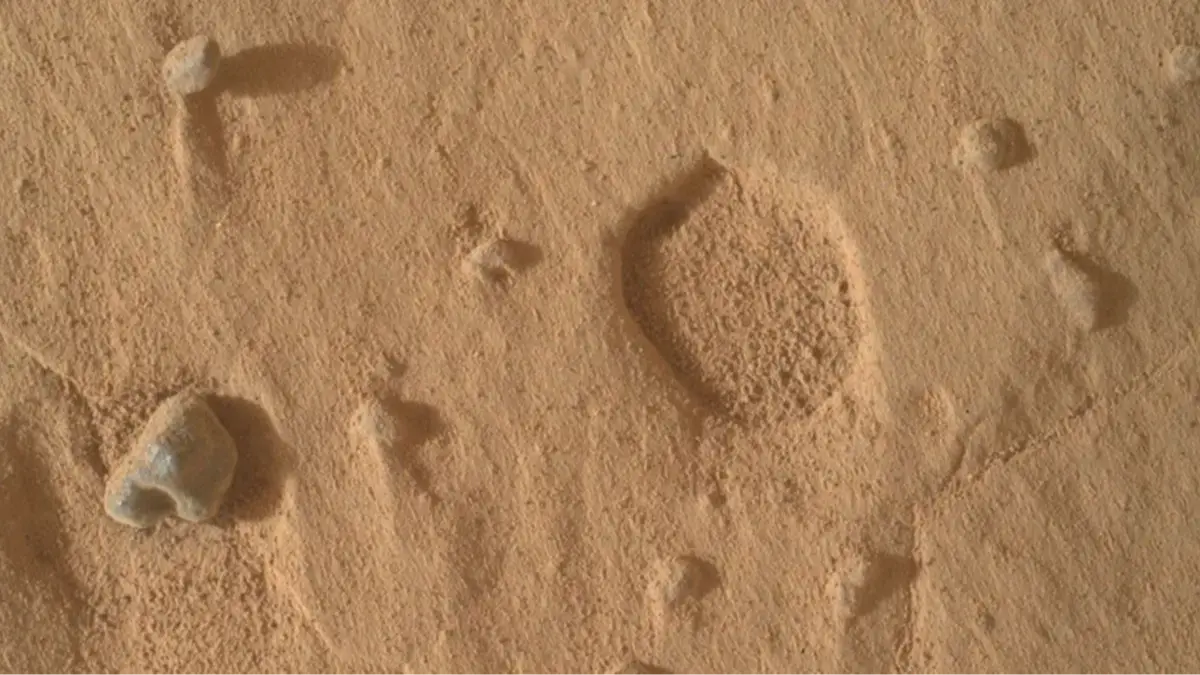
Space experts have discovered what look to be footprints on the surface of Mars, after images captured by the Curiosity Rover showed the unexpected features.
The shallow pits are said to be a surprise and unlike anything researches have previously witnessed on the Red Planet, closely matching what appear to be footprints.
The Curiosity Rover has been exploring Mars since first landing back in 2012, and regularly sends back pictures and videos on the vast planet.
Advert
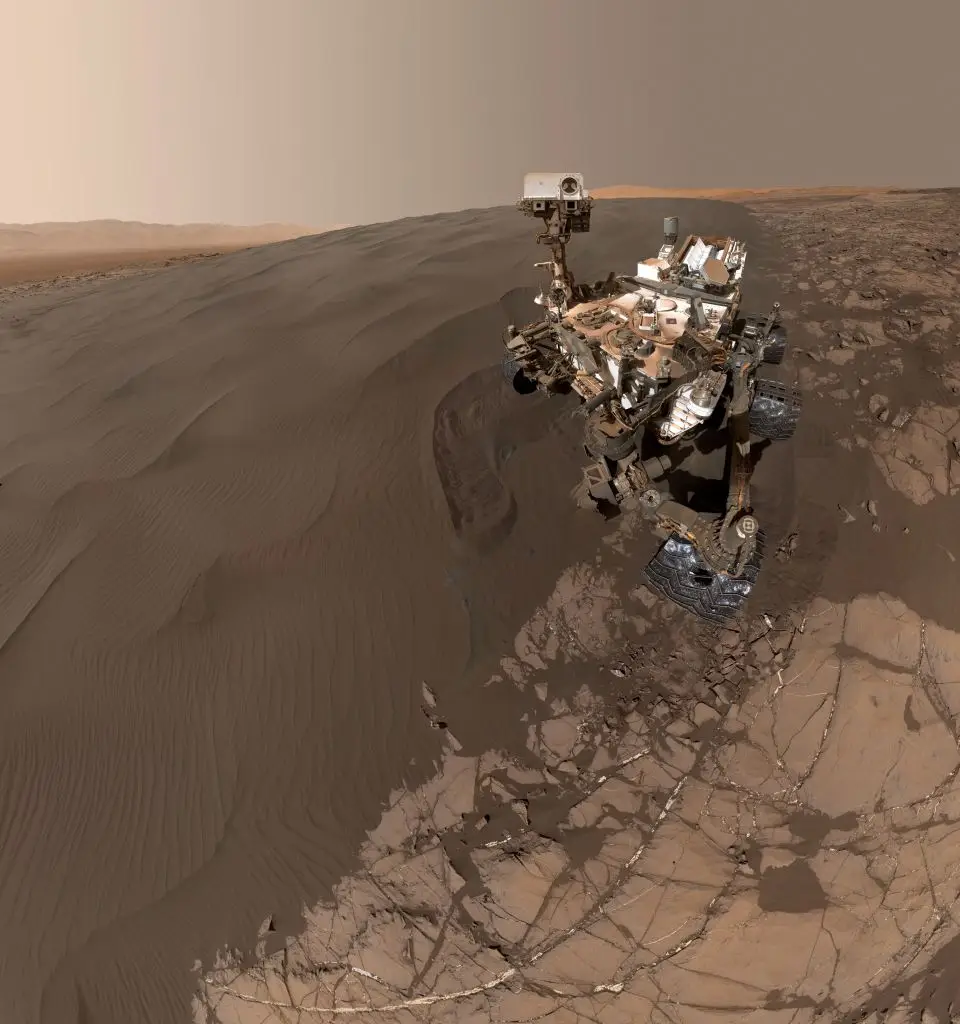
Space.com reported that Curiosity captured the 'footprints;' on Mars’ Mount Sharp, and the scientific team operating the autonomous vehicle identified 'features unlike quite anything we have seen in the past.'
Pictures featured a series of broad, shallow pits scattered across the bedrock.
Small pits and depressions are common on Mars' surface, and can form when harder nodules or pebbles embedded in rock gradually chip away. But scientists say these new depressions are much wider and shallower than similar pits seen previously.
The NASA Curiosity team used the rover’s cameras and instruments to examine the features, with MAHLI and the Mastcam instrument capturing images that can be overlapped to produce three-dimensional models of the pits.
“Pits are not uncommon — when resistant nodules or pebbles weather out of their host rock, they leave behind a void," Michelle Minitti, deputy principal investigator for Curiosity's Mars Hand Lens Imager (MAHLI), said.
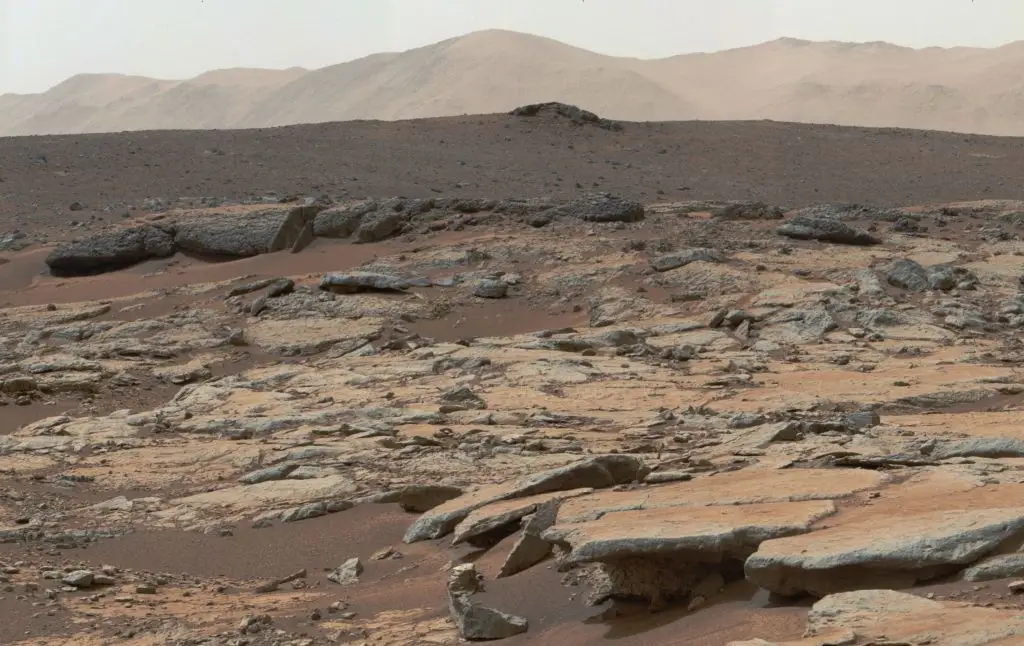
"The pits of this week were much broader and shallower than past features and were not accompanied by obvious objects that were once in the pits.
“MAHLI and Mastcam were particularly interested in these features, acquiring stereo mosaics of them and tightly overlapping image sets that can be turned into a digital elevation model of their structure.
“They were a welcome new puzzle into the processes that have affected this particular section of rocks in the stratigraphy of Mount Sharp.”
Back in July, NASA’s Curiosity rover also discovered what were described as 'honeycomb' textures on the landscape.
Named 'polygonal fractures', each one was about 1.5 to 3 inches across and was captured on a large scale of patches on Valle Grande, a Martian valley.
Topics: NASA, Space, Technology, World News
 James Holt