What happened to man who lived in cave with no concept of time

In 1962 a French scientist named Michel Siffre took off his watch and walked into a cave which took him 150 metres below the Scarasson mountain in the Ligurian Alps.
23-years-old at the time, the scientist took a torch into the dark depths of the cave and would stay isolated from the rest of the world for the next two months, though he had no idea how much time was passing while he was down there.
He had to make sure he'd chosen the right spot since sharing the cave with other creatures such as bats would give him a clue about the day and night cycle.
Setting up camp beneath the mountain, Siffre lived in the cave with no concept of time since he had no way to keep track of it, and when he emerged, there were plenty of people who wanted to know what he'd been up to.
Advert
It was the first of several high-profile experiments the scientist conducted on himself.
Why did he live in a cave?
Siffre had originally planned to spend 15 days in a glacier but he became fascinated by the space race and decided to give himself a longer challenge - so chose a cave where he wouldn't be disturbed for over 60 days.
In 2008, he told Cabinet that he decided '15 days is not enough, I shall see nothing' and this was when the idea came to him that he should 'live like an animal, without a watch, in the dark, without knowing the time'.
He wanted to find out how the body's biology would be affected by the lack of a day and night cycle, given that being in space makes this significantly different to life on Earth.
What did he do inside the cave?
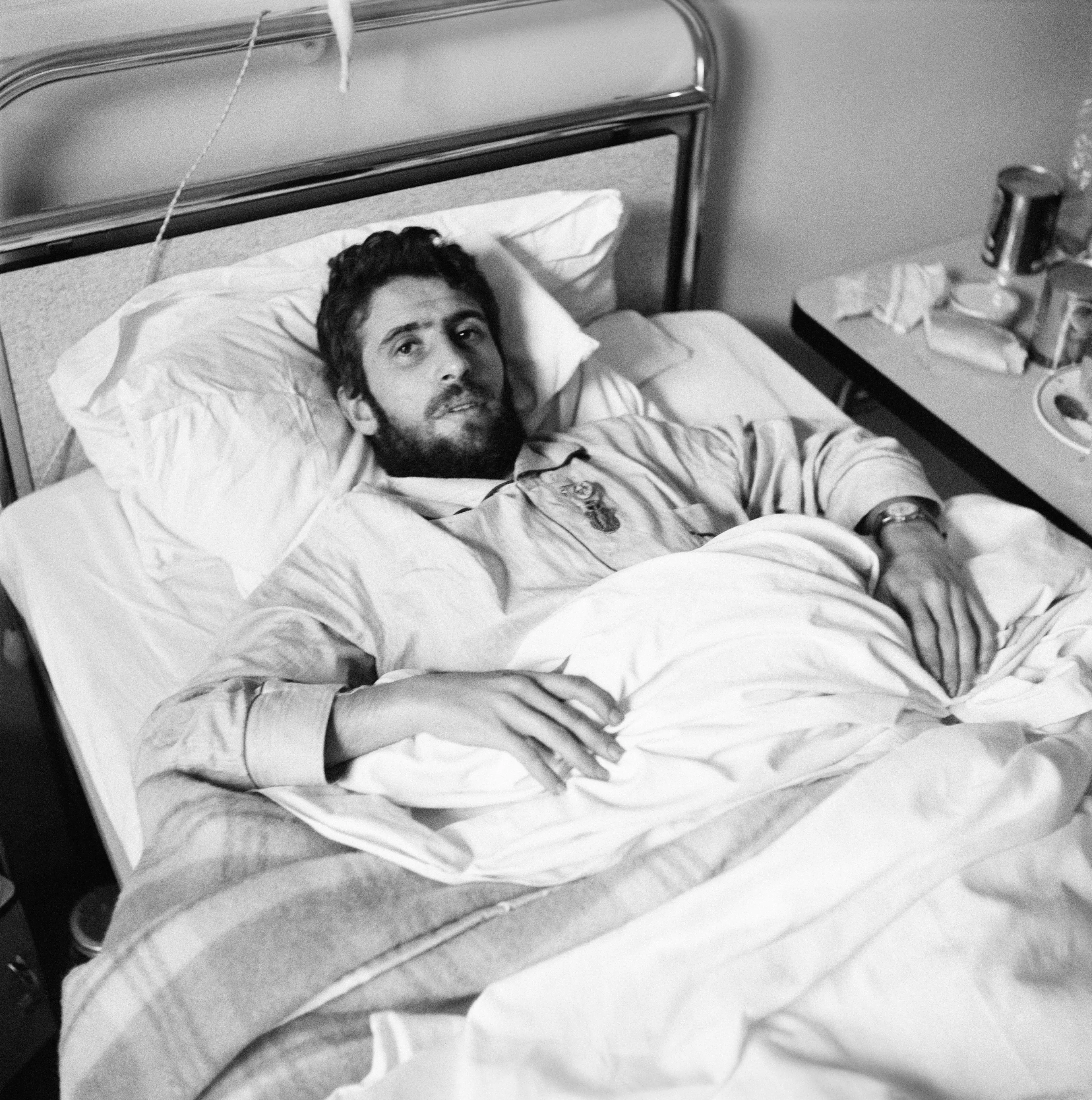
Existing in a lack of light or awareness of what time it was, or even how many days he'd spent in the cave, the scientist ate when he was hungry and slept when he was tired without knowing how much time had passed or for how long he'd been asleep.
There was a team outside the cave who he would call when he ate, when he woke up and just before he went to sleep so someone could record when he was actually doing these things.
They couldn't tell him what time it was or call him, communication was strictly one way.
Whenever he called the surface, he also had to record his pulse and tell his colleagues what was going on, and take a psychological test where he would count up to 120 saying a number each second.
He filled the rest of the time with reading, writing and researching.
What impact did not knowing the time have on him?
Siffre revealed that during the challenges to count to 120, essentially having him mark the passage of two minutes, it took him five minutes to reach that number.
Being down there with no concept of time really warped his ability to know what was going on.
The scientist said that being down there without knowing what time it was messed with his memory, explaining that 'after one or two days you don’t remember what you have done a day or two before'.
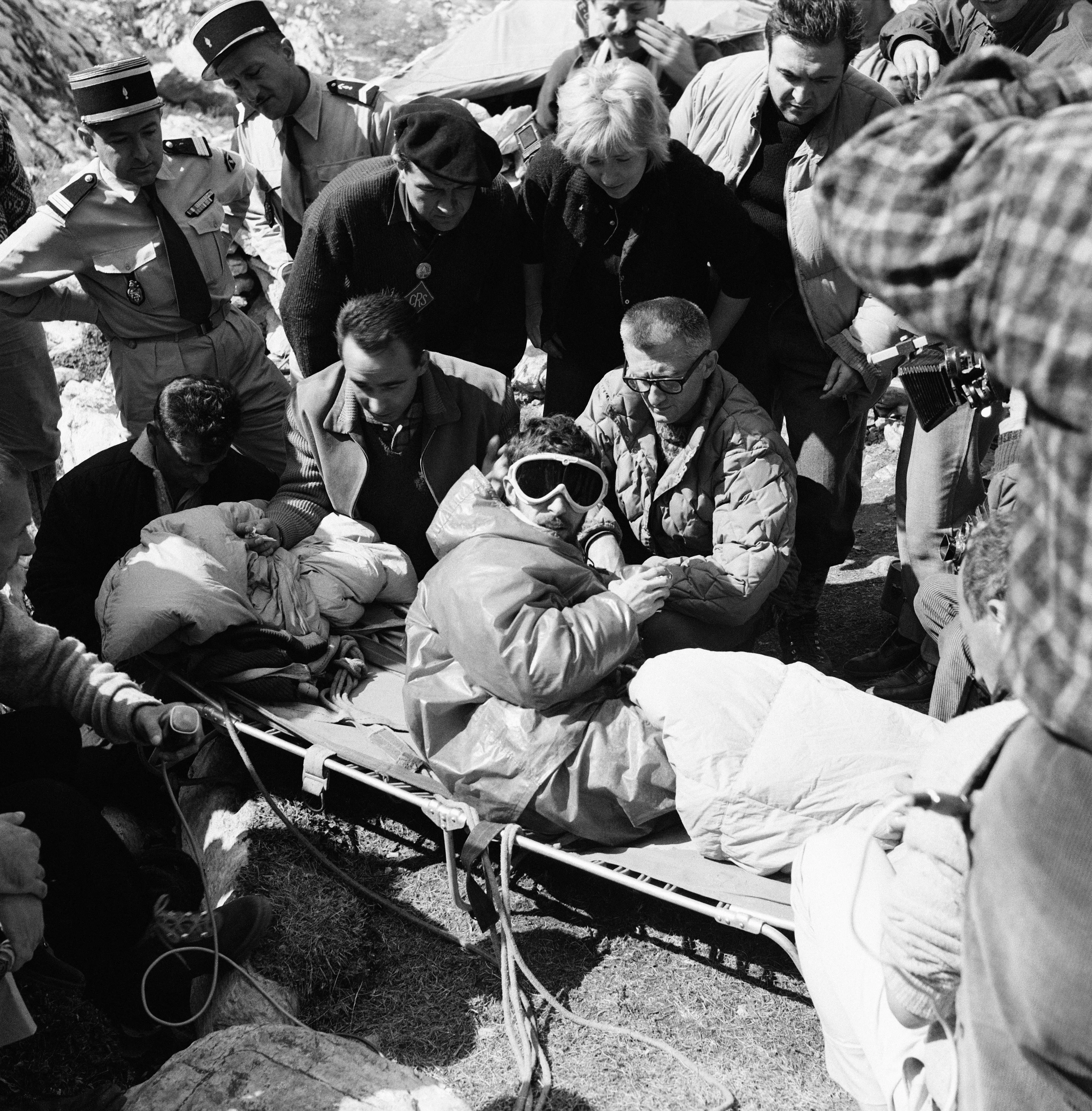
He went into the cave on 16 July and intended to emerge on 14 September, but when he was finally told that his time was up and he could leave the cave, he thought it was only 20 August.
Thinking he'd been in there for about a month and reckoning that he had almost another one to go, it came as a surprise to the scientist when he was told he'd done his time.
He also found that the 24 hour body clock effectively switched to 24 hours and 30 minutes, though others going into similar experiments said their body clock had gone from 24 hours to 48 hours, while he had 'perfect' sleep.
The research he'd gathered was wanted by the French army as they wished to know if they could keep soldiers awake for longer, while NASA wanted the information he'd gathered to work out how their astronauts might be affected on lengthy missions in space.
Michel Siffre's future experiments
Not content to spend just two months down in a dark cave cut off from the outside, the French scientist undertook further experiments where he isolated himself.
Over the next decade, he organised more underground stays for people and in 1972 he once again cut himself off from time itself, this time for a period of six months as he stayed in Midnight Cave, Texas for half a year.
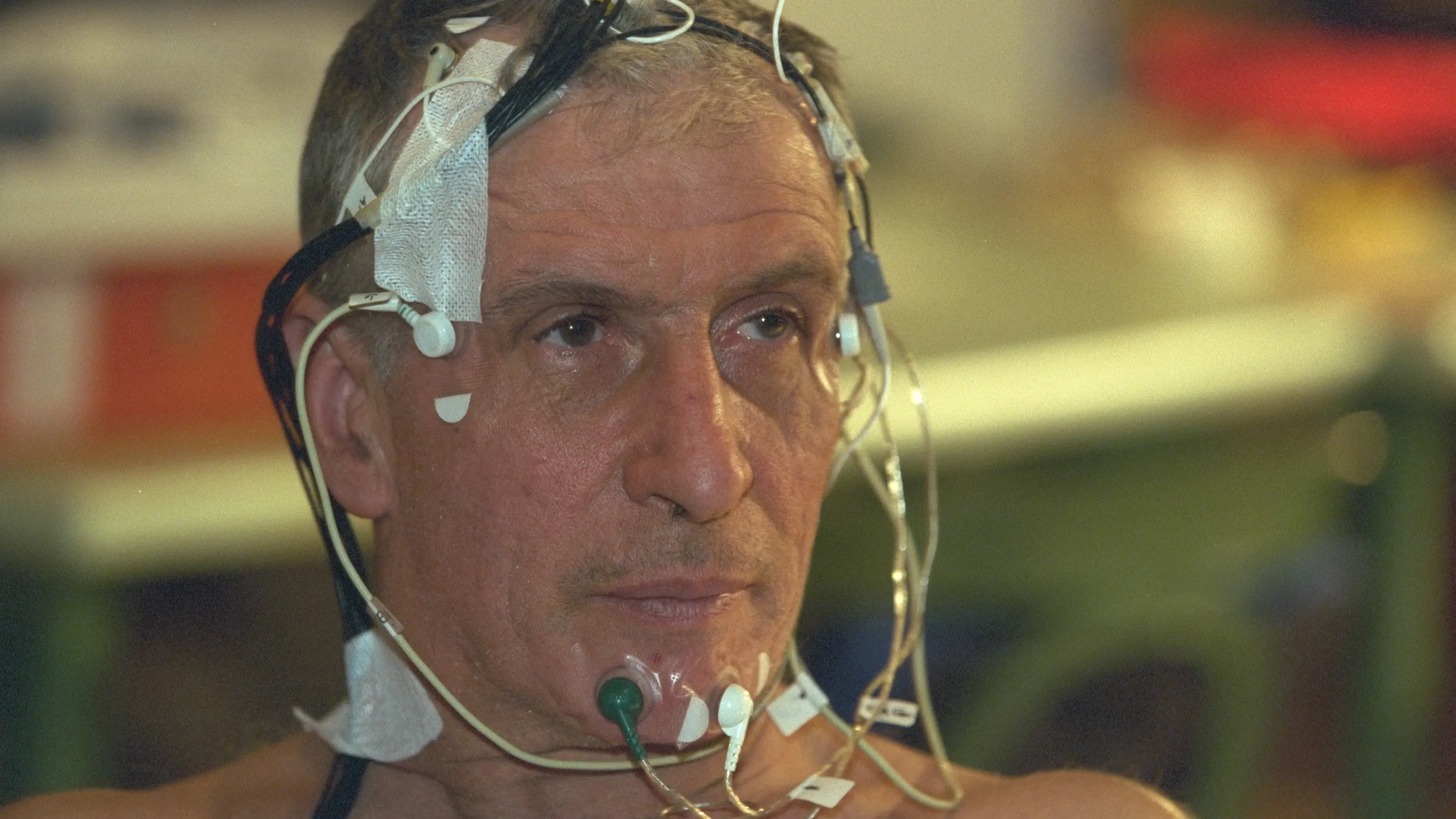
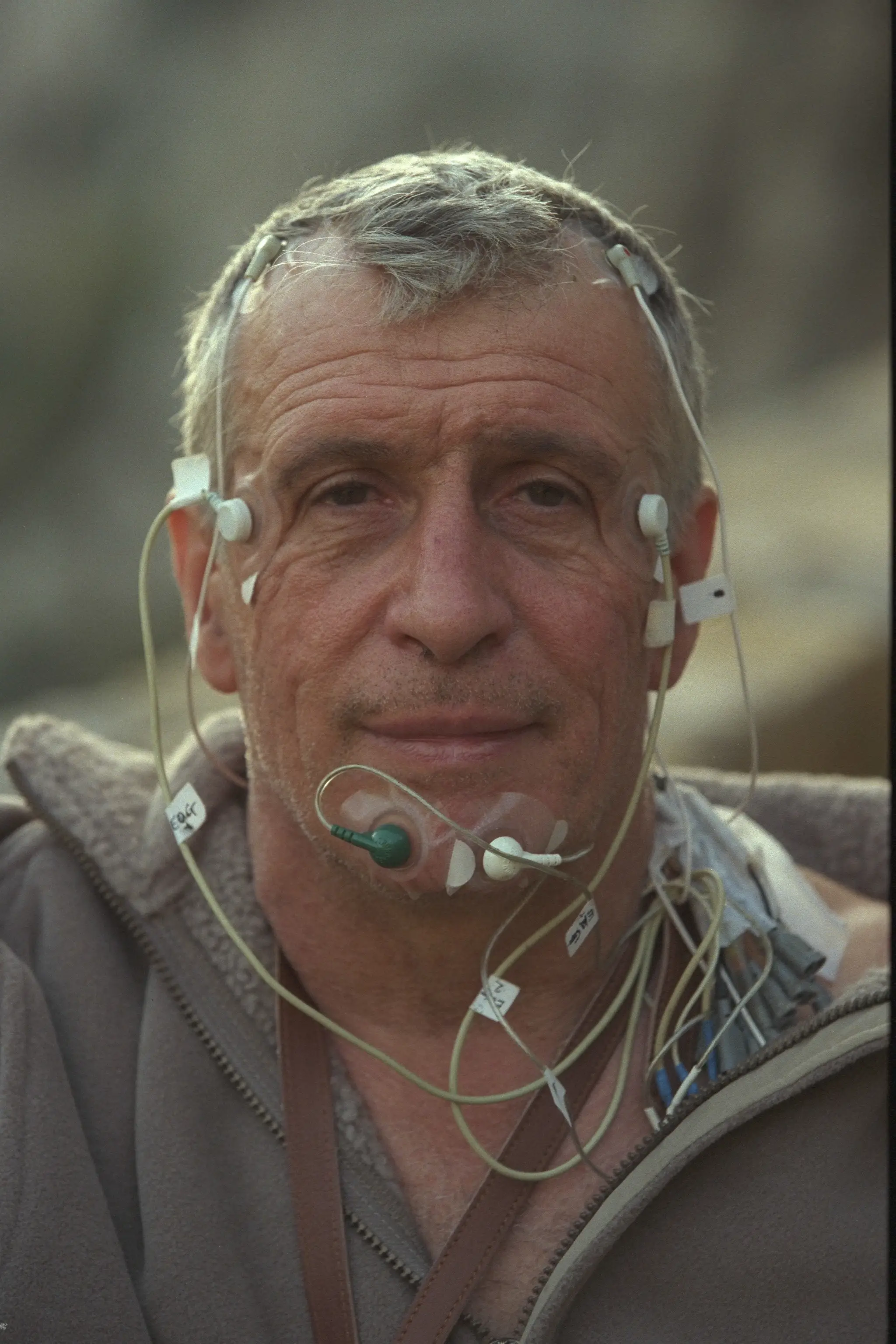
He found this one tougher going, and for the duration of his underground stay had electrodes attached to his body to measure his vital signs.
However, with this lengthier duration the isolation affected him more and at one point he tore off the instruments and was very close to quitting the cave.
10 days later, he reattached the electrodes and got back on with the experiment, though when he got the call that his time was up he told his team 'you're just messing with me', since he thought he hadn't been down there as long as he was supposed to be.
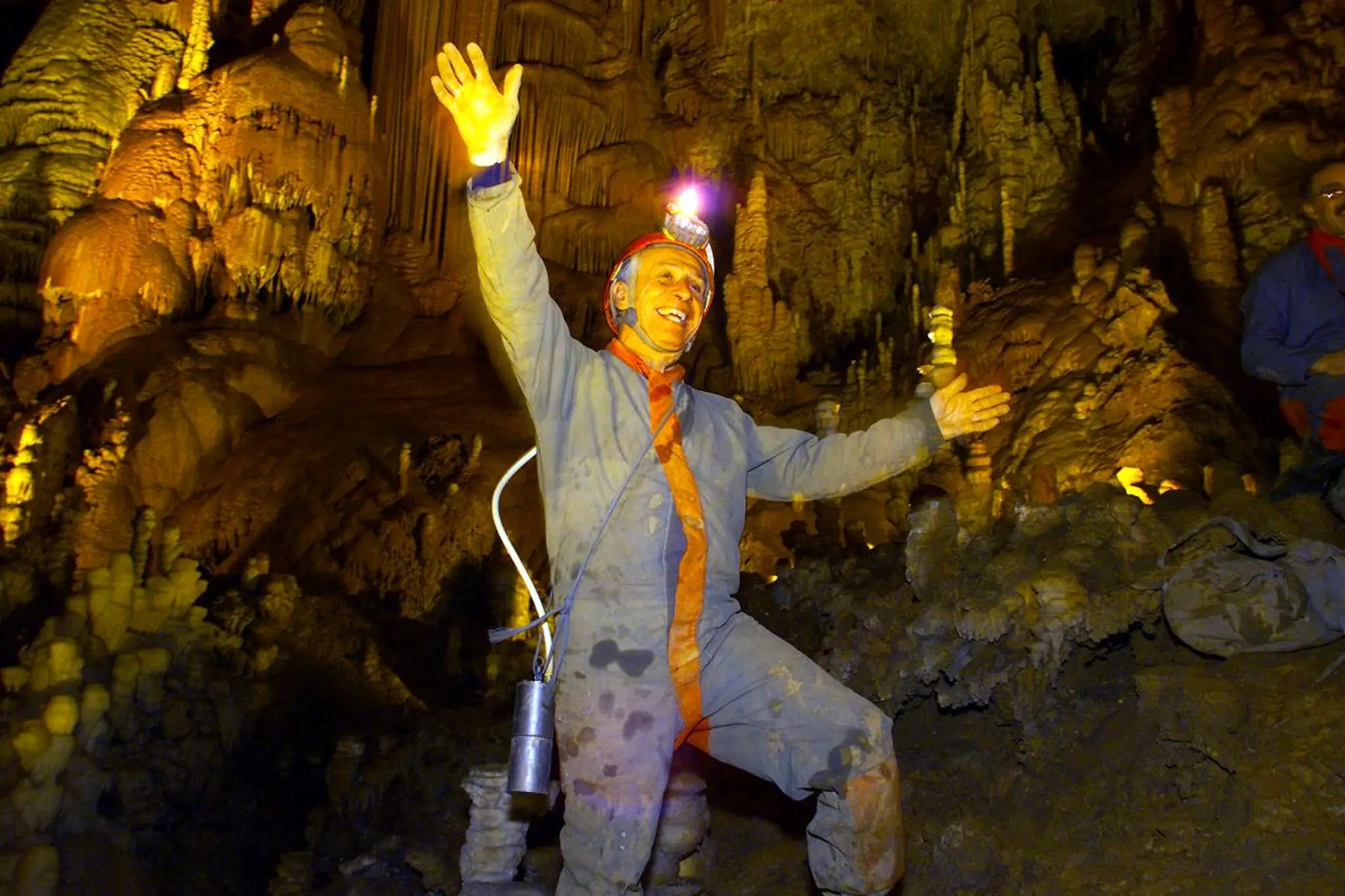
He also went back down into a cave in November 1999 with a plan to celebrate the new millennium down there, though he misjudged the date and popped a bottle of champagne on 4 January, 2000.
Michel Siffre died last year of pneumonia at the age of 85.
Topics: Health, Mental Health, Science, World News, Sleep
 Joe Harker