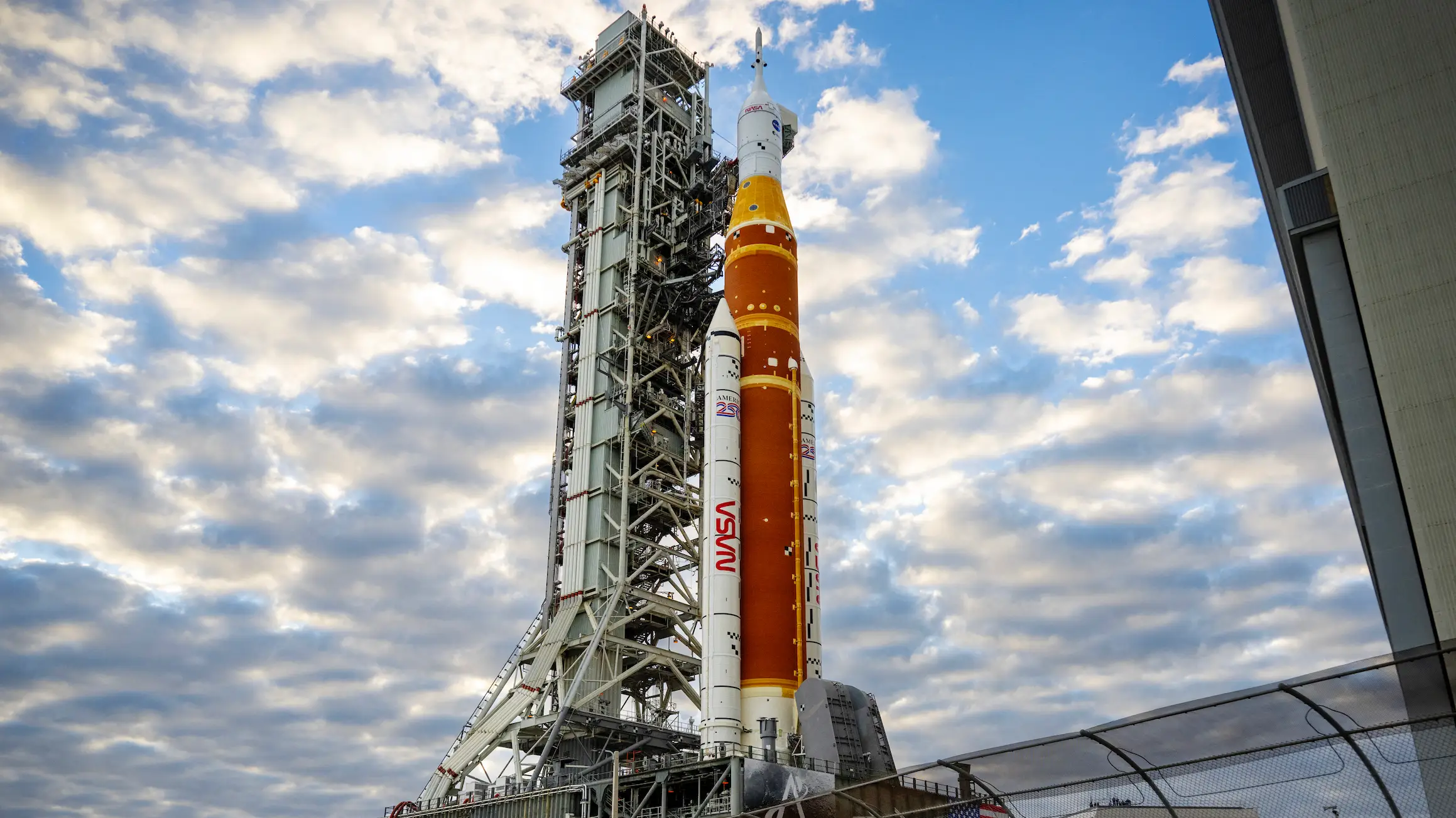
NASA forced to delay return to the Moon after major problem during 'wet dress rehearsal'

A NASA mission to boldly go where no one has gone before is having to be put on hold after a 'wet dress rehearsal' encountered a major problem.
The Artemis II mission could have launched as early as 8 February, but a problem with testing means a delay for the launch date and NASA says it's now looking at launching in March at the earliest opportunity.
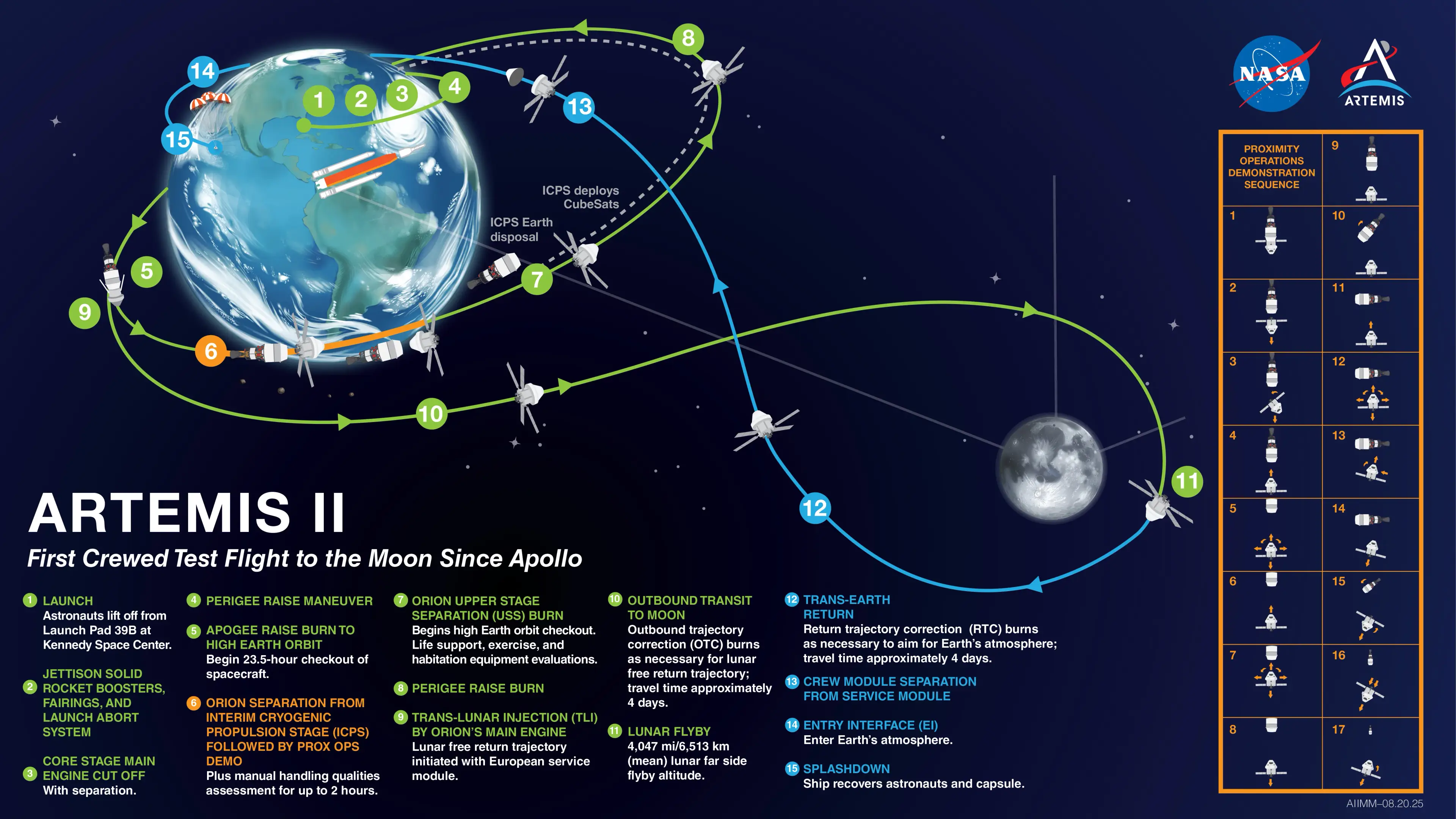
Artemis II is planned to take four astronauts beyond the dark side of the Moon as they test how their Orion spacecraft functions in deep space and take humans further away from Earth than they've ever been before.
The ultimate goal of the mission is to establish a lunar base before the end of 2028, an ambitious plan, but their main concern at the moment is a 'liquid hydrogen leak at the interface of the tail service mast umbilical'.
Advert
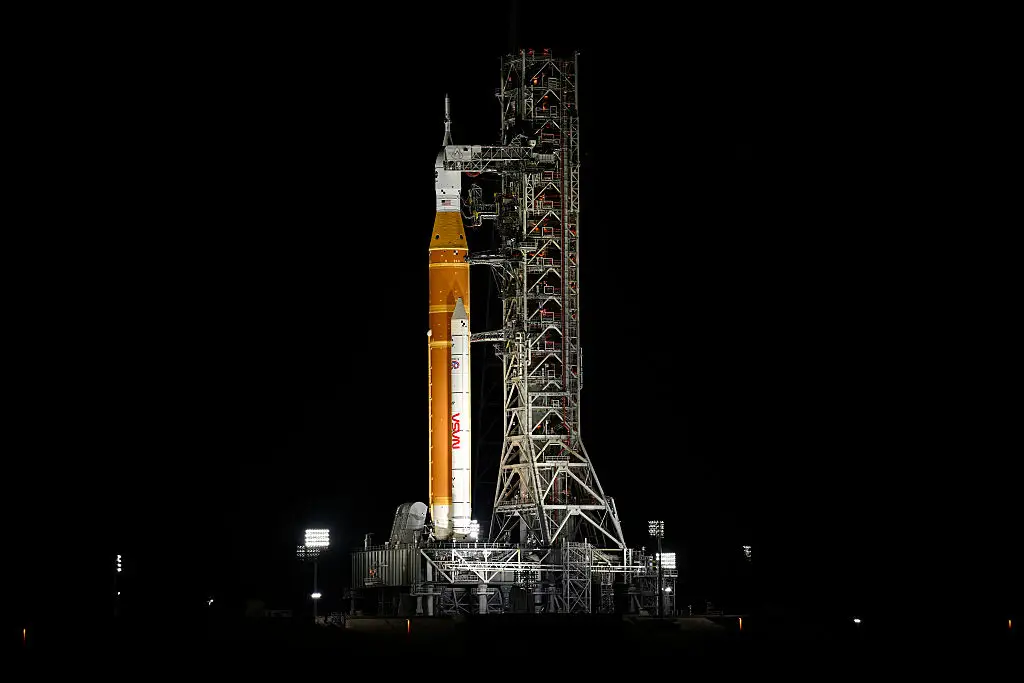
That leak resulted in the Artemis II 'wet dress rehearsal' being automatically stopped at T-5:15 minutes, with crews afterwards working on draining the rocket of fuel.
In the run-up to that moment, engineers had been examining how cold weather would affect the rocket and had 'spent several hours troubleshooting a liquid hydrogen leak', which ended up being a major problem that halted the test.
As the launch date has been put back the astronauts have been brought out of quarantine, though NASA has said they'll have to return to it a couple of weeks before the next opportunity for launch.
In a statement, the space agency said: "NASA completed a wet dress rehearsal for the Artemis II mission in the early morning hours on Feb. 3.
"To allow teams to review data and conduct a second wet dress rehearsal, NASA will now target March as the the earliest possible launch opportunity for the Artemis II mission.
"Engineers conducted a first run at terminal countdown operations during the test, however, the countdown stopped at 5 minutes left due to a spike in the liquid hydrogen leak rate. Crew safety remains the highest priority."
It's a delay in plans but NASA remains committed to sending four people around the dark side of the Moon in the near future.
The four crew members who will get to stretch their legs outside of quarantine for a bit are NASA astronauts Reid Wiseman, Victor Glover, and Christina Koch, along with Canadian Space Agency astronaut Jeremy Hansen.
In theory, they'll blast off from planet Earth, orbit our world twice to make sure everything is working as expected, then fly beyond the range of GPS satellites to test their deep space communication technology.
Afterwards, the Orion spacecraft will fly around the far side of the Moon and make it around 4,600 miles beyond that point, the furthest humanity has ever journeyed into deep space, where there will be more tests of how everything works.
If all goes well, they ought to splash back down in the Pacific Ocean and be fished out of there by the US Navy.
Topics: NASA, Science, Technology, Space
 Joe Harker