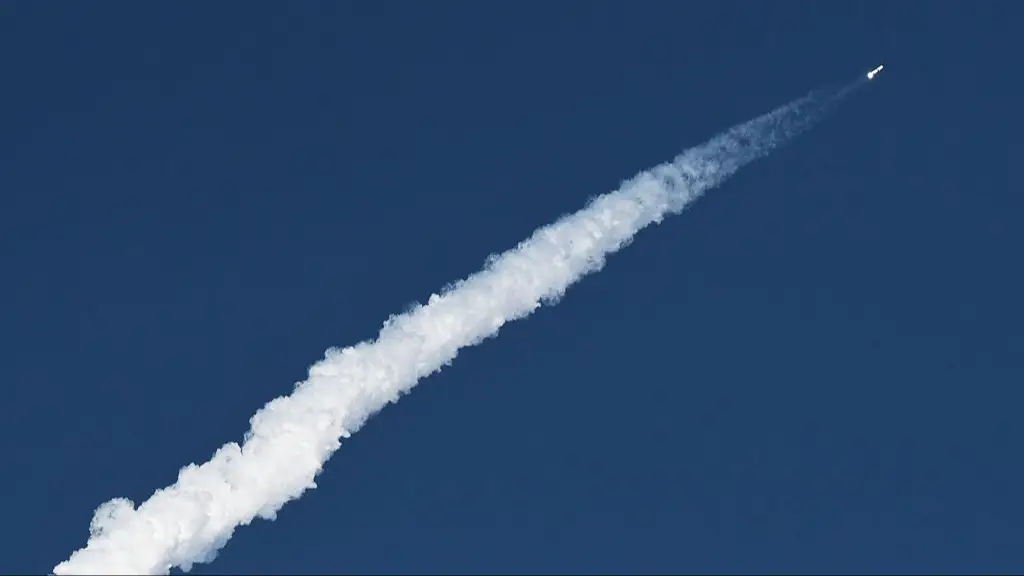
Insane NASA mission will launch rocket to stop huge telescope from crashing into Earth

NASA has announced a jaw-dropping mission planned for 2026, which aims to prevent a huge telescope from plummeting towards Earth.
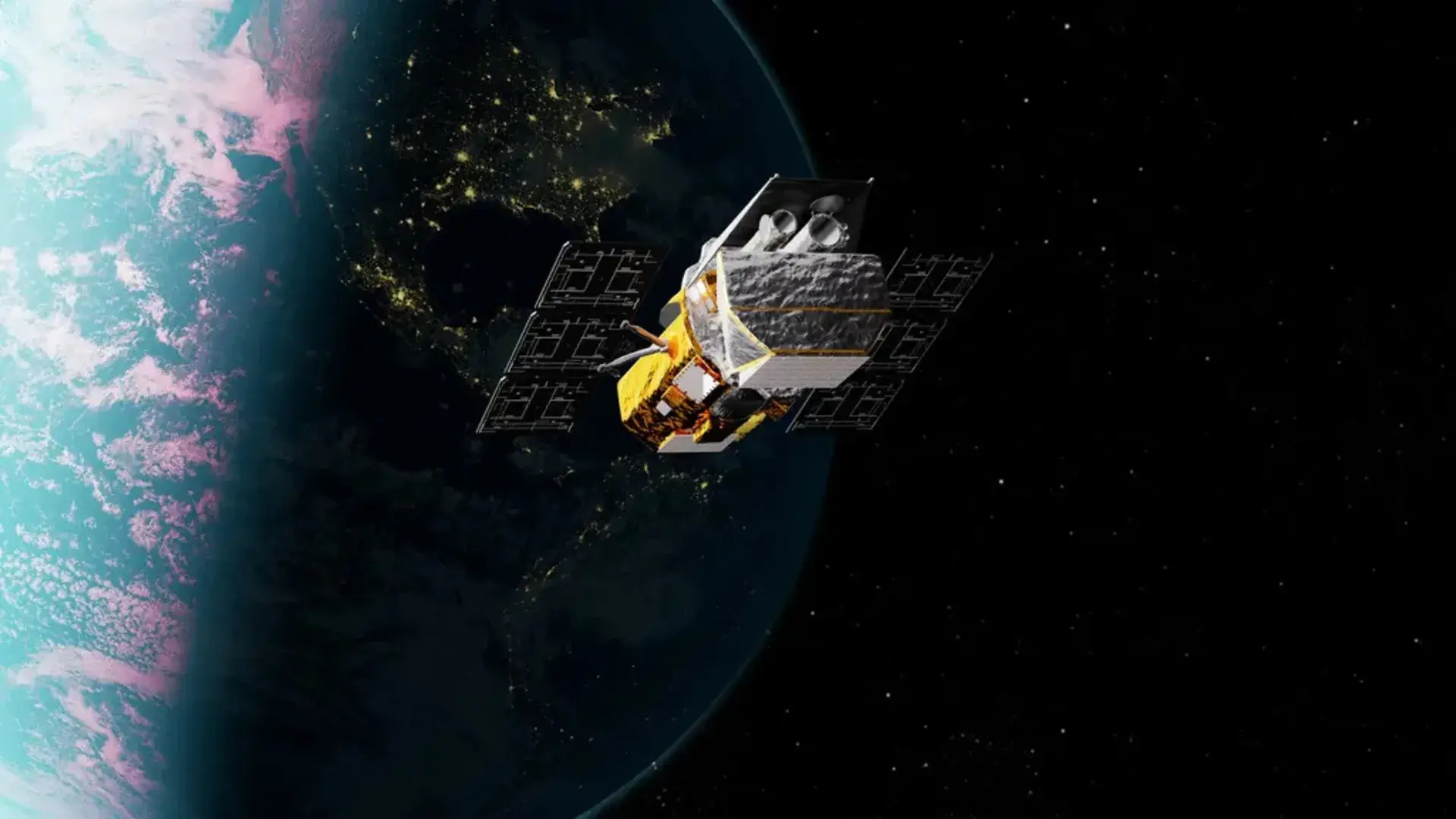
It comes after the space agency confirmed that one of its most important telescopes, the Neil Gehrels Swift Observatory, was slowly falling back towards Earth, raising alarms that it could crash into our planet by the end of 2026 if nothing is done to intercept it.
The station has been in space, studying gamma rays from the comfort of low Earth orbit, for nearly two decades; however, it risks burning up in the atmosphere.
Rather than risk the Swift telescope colliding with Earth, NASA has devised a controversial plan to derail it, and its method is interesting, to say the least.
Advert
The US agency has enlisted Katalyst Space Technologies to carry out the mission, which will involve launching a rocket from a plane and releasing a robotic spacecraft to hopefully divert the telescope.
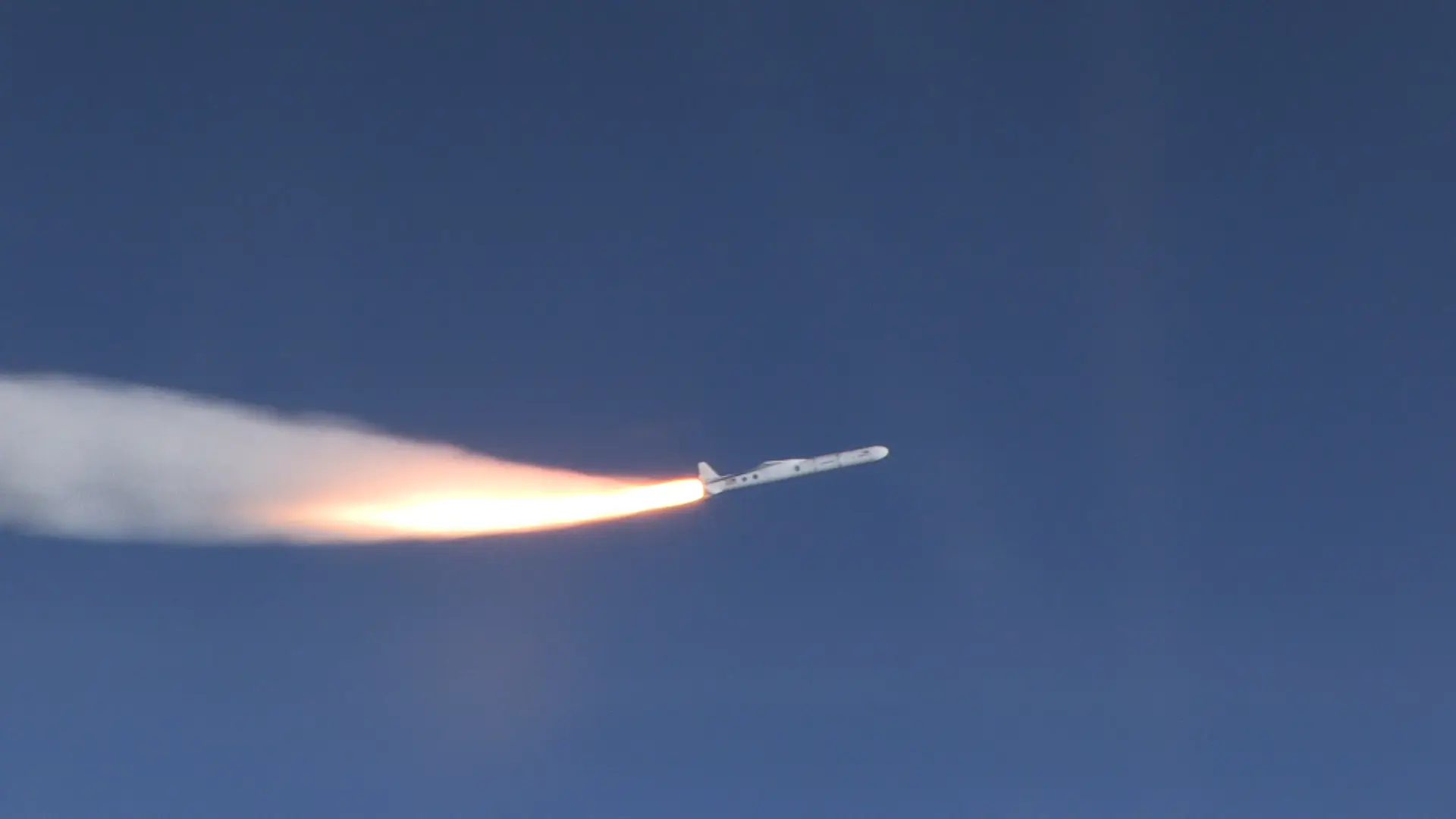
Arizona-based Katalyst will use a converted passenger aircraft, the L-1011 Stargazer, owned by Northrop Grumman, to carry a Pegasus XL rocket to 39,000 feet before releasing it while still in flight.
If all goes to plan, the rocket should fire on its engines, shooting it into space before releasing the Katalyst robotic spacecraft near the Swift telescope.
Once the robot reaches the telescope, it should be able to grasp the device and boost it back into a 'more stable orbit', according to the company.
Acting director of the Astrophysics Division at NASA, Shawn Domagal-Goldman, said: "Given how quickly Swift’s orbit is decaying, we are in a race against the clock, but by leveraging commercial technologies that are already in development, we are meeting this challenge head-on."
Speaking about the decision to use a Pegasus XL rocket, Katalyst CEO Ghonhee Lee said it was 'the only launch vehicle that can meet the orbit, the schedule and the cost to achieve something unprecedented with emerging technology'.
Fortunately, Northrop Grumman already had the hardware ready to go, according to the company's director of space launch, Kurt Eberly.
"We have to do some final integration and test, and we have to develop the trajectory and the guidance for the RAAN [right ascension of the ascending node] steering and software, but that's really it," he told Space.com.
It's certainly no easy feat, and the team are planning to launch as early as June next year to complete the mission before Swift gets too close to our atmosphere and de-orbits.
This is the first time a private commercial spacecraft has been enlisted to rescue an unmanned government satellite. However, NASA missions of this scale would usually be planned over a significantly longer time period.
“We are treating this launch date as a firm commitment,” Katalyst's vice president of technology, Kieran Wilson, said. “We’ll kind of continuously evaluate where Swift stands in its orbital decay and figure out what sort of adaptations we might need to pursue, whether it’s launching to a different altitude, whether it’s targeting slightly different insertions.”
Topics: Space, Science, Technology, NASA, US News
 Emma Rosemurgey