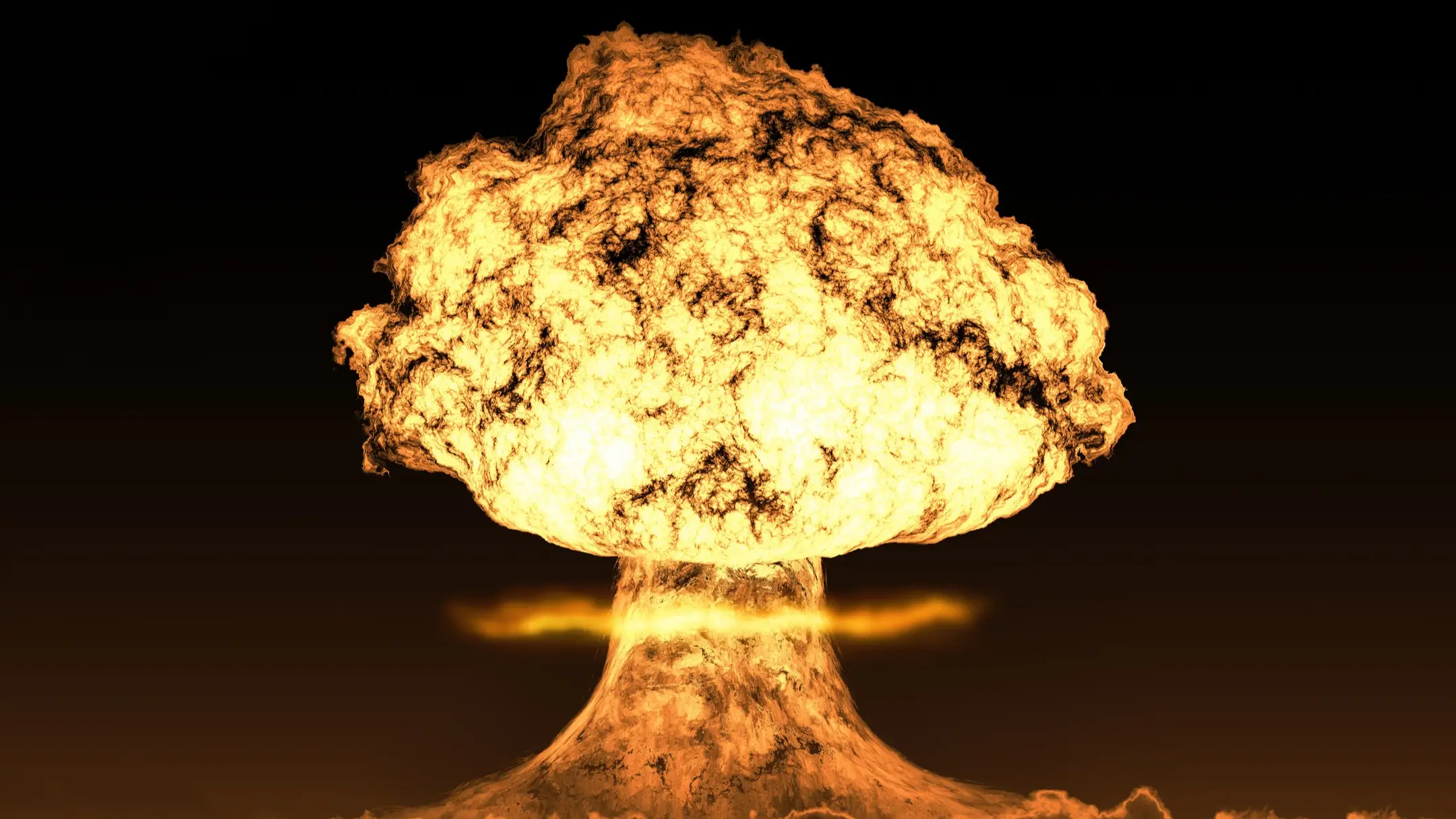
Scientists reveal haunting global impact of if nuclear war broke out

Should the catastrophe of nuclear war ever be brought upon the world scientists have got some rather grim predictions for how well humanity would fare.
There is a reason why global nuclear war is often seen as the 'game over' scenario for humanity and those responsible for the research have laid out exactly why this is a game where the only winning move is not to play.
Experts in the predicted consequences of nuclear war have estimated that around 60 percent of the Earth's population would be killed within the first 72 hours of the catastrophe.
Even if you did survive you would either not last long or likely end up wishing you had been caught in the initial blasts as everything would go all Threads where those still living would have to eke out some kind of existence finding food, water and shelter to sustain them.
Advert
Plenty of scientists have warned that the aftermath of a global nuclear war would be dreadful, as studies indicate medical problems the modern world is well equipped to deal with would become major issues once more.
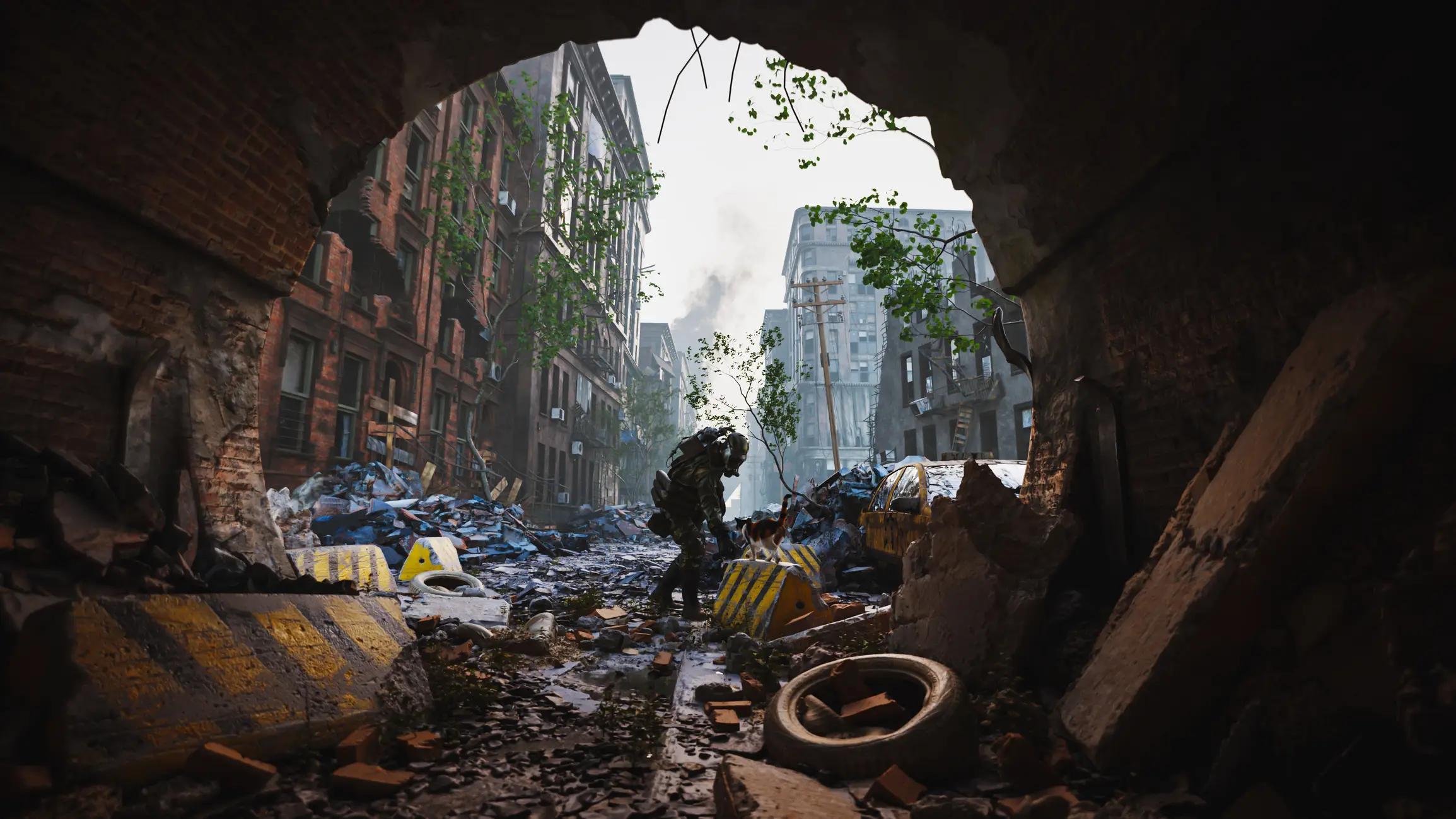
Those diseases you get vaccinated against and have strong protections from? Say goodbye to all of that.
Nobody will be making or distributing all those shots you got as a young child to stop the spread of serious health issues, let alone the treatment for the various illnesses that affect people throughout the rest of their lives.
Researchers have painted an unfathomably grim picture of what living in such a world would be like as disease immunity falls and hygiene standards drop leading to a much greater spread of sickness among the survivors.
So if you're not horribly killed to death by the bombs or the injuries sustained afterwards then disease might get you, since the hospitals will be too destroyed and irradiated to admit you to A&E.
On top of that is the prospect of something called a nuclear winter.
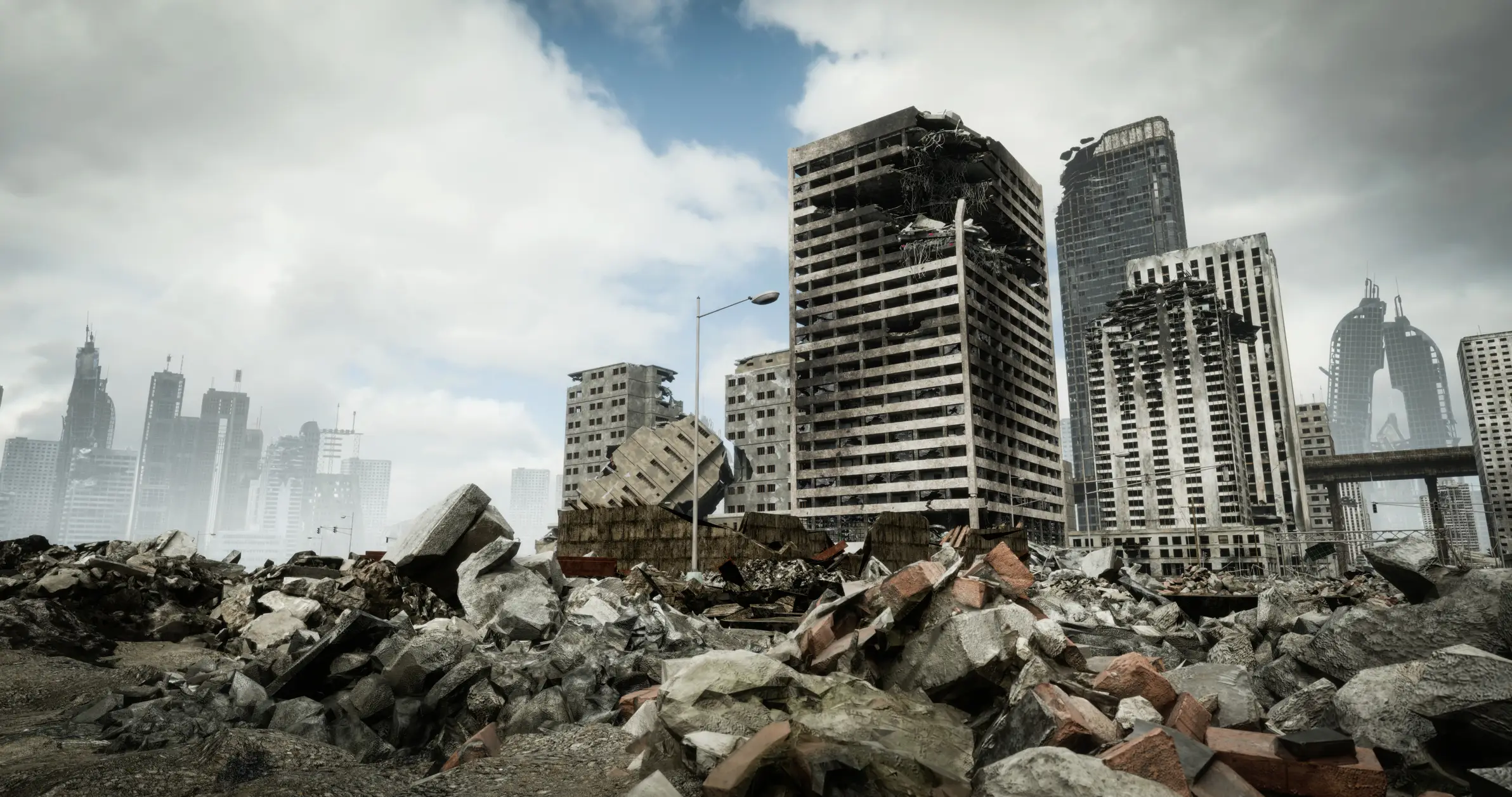
Experts reckon one of the consequences of global destruction would be a 'mini-ice age' that would cause many places to get significantly colder and make the ground, if not already scorched and irradiated beyond use, utterly unsuitable for growing food.
Humans need to eat to live, so the collapse in farmable land would render large parts of the planet relatively uninhabitable.
Scientists have warned that pretty much the only parts of the world that might avoid this are Australia and New Zealand, making them prime real estate for anyone who should wish to survive both the bombs and the aftermath.
Ultimately it seems as though the idea of nuclear war would be very bad for the world and our species, so we're best off not doing it.
Topics: Science, World News
 Joe Harker