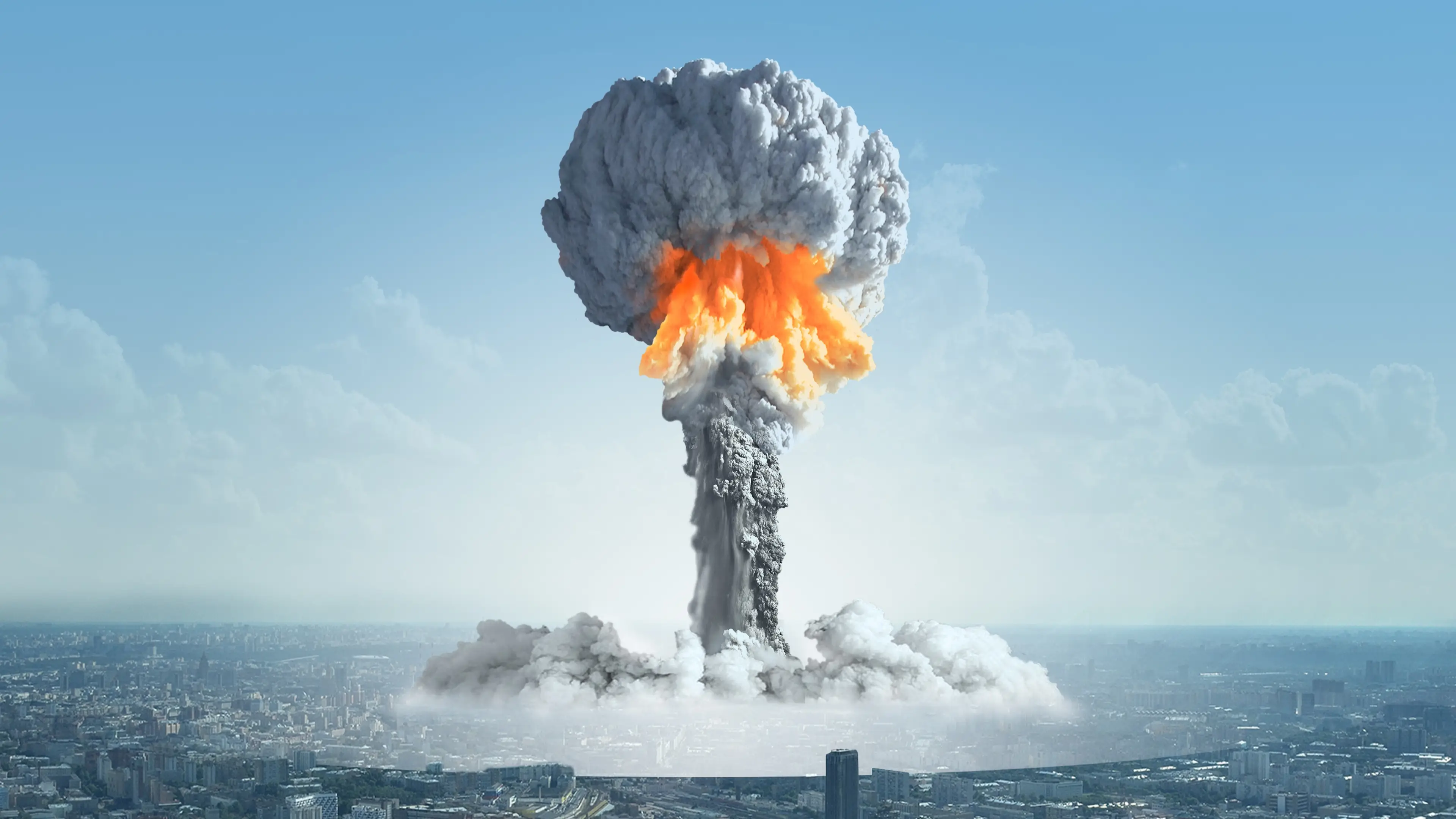
‘Two countries’ would survive if nuclear war that could kill ‘five billion in days’ began

As Russia continues to make thinly-veiled warnings about its military capabilities and targets, and as the US-Israel strikes on Iran continue, knowing where to flee is probably a good thing.
There isn't a massive chance that nukes will start falling from the sky thanks to the assured mutual destruction of all nations involved in the bomb-slinging, but if it happened, there are only two places that would apparently get out of it alive.
This year has been one for the risk factor, thanks to the US-Israeli strikes on Iran on 28 February, which killed Supreme Leader Ayatollah Ali Khamenei, Iran's own retaliatory strikes on US military facilities in the region, and Russia and Ukraine's ongoing conflict.
So, if nuclear weapons began to be introduced in any of the numerous wars going on right now, then it wouldn't be wholly surprising. Naff, but unsurprising.
Advert
Anyway, despite being on a tiny island, the UK does have a great nuke deterrent in the form of our constant nuclear submarines circling the UK, but that doesn't mean it'd save us - or anyone else.
Meanwhile, Iran's proxy militias - Hezbollah in Lebanon, the Houthi movement in Yemen, and Shia militias across Iraq and Syria - could also be drawn into the conflict.
We don't know what will happen next, only that more people are going to die and the possibility of further escalation is on the table, and the final, most catastrophic option looms over all.
Nuclear war that wipes out the planet is unlikely to happen soon, as nuclear-armed powers aren't at war with each other, but just in case that changes, bestselling author Annie Jacobsen, who penned the cheery-sounding book Nuclear War: A Scenario, has said only two countries would survive, New Zealand and Australia.
Speaking on The Diary Of A CEO podcast, Jacobsen painted a grim picture of what a global nuclear war would do, as she said around five billion people would be dead within the first 72 minutes.
What would actually happen to the Earth if nuclear war broke out?
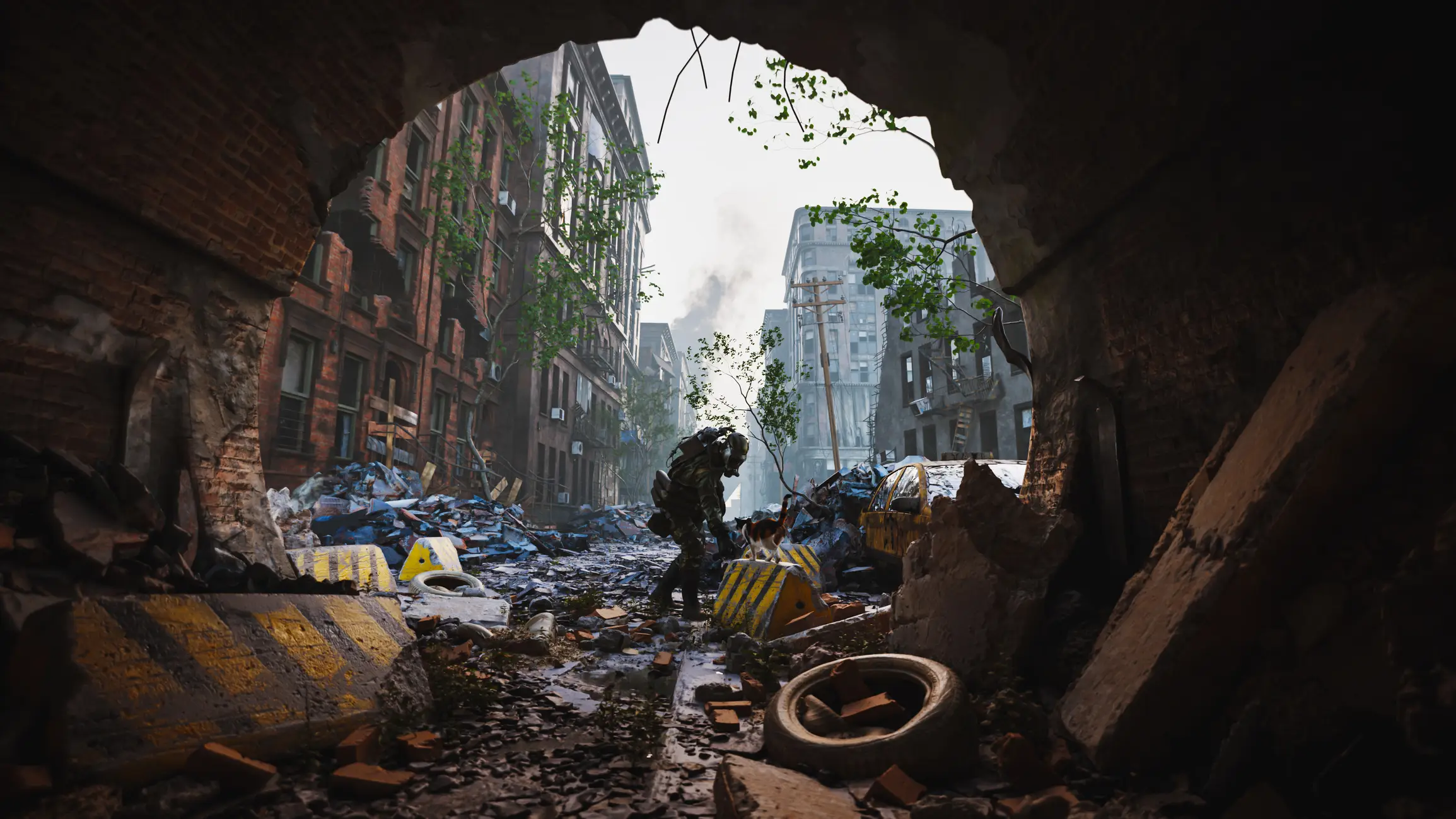
With most of the Earth's population dead and the land scorched in nuclear fire, Jacobsen said one of the consequences would actually be a mini-ice age.
"Most of the world, certainly the mid-latitudes, would be covered in sheets of ice... places like Iowa and Ukraine would be just snow for 10 years.
"Agriculture would fail, and when agriculture fails, people just die.
"On top of that, you have the radiation poisoning because the ozone layer will be so damaged and destroyed that you couldn't be outside in the sunlight – people will be forced to live underground."
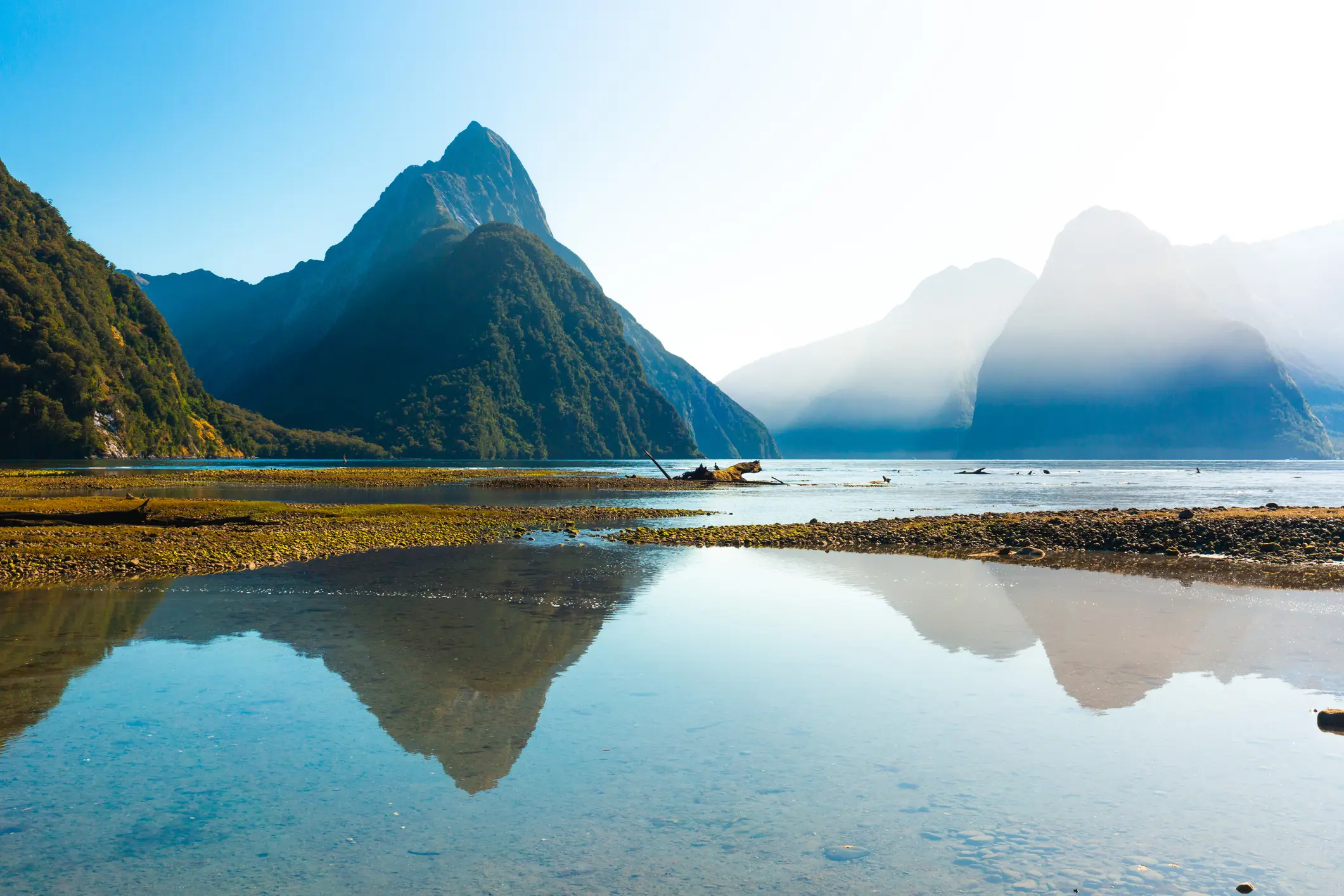
She worked with climate expert Professor Brian Toon, who told her only two countries in the world would be able to 'sustain agriculture', so if you wanted to head to Australia or New Zealand, that'd be the place to go.
Which countries would be safe in the event of a world war?
Everyone thinks about where not to be for the bombs, but there's all the living afterwards to come, assuming you want to make it through that.
That's also assuming nobody lobs a nuke or 10 in their direction; they are geographically out of the way and might be able to avoid an exchange of nuclear weapons.
They're also without nuclear weapons themselves, so you'd hope nobody's going to be firing on them to try and stop them from launching.
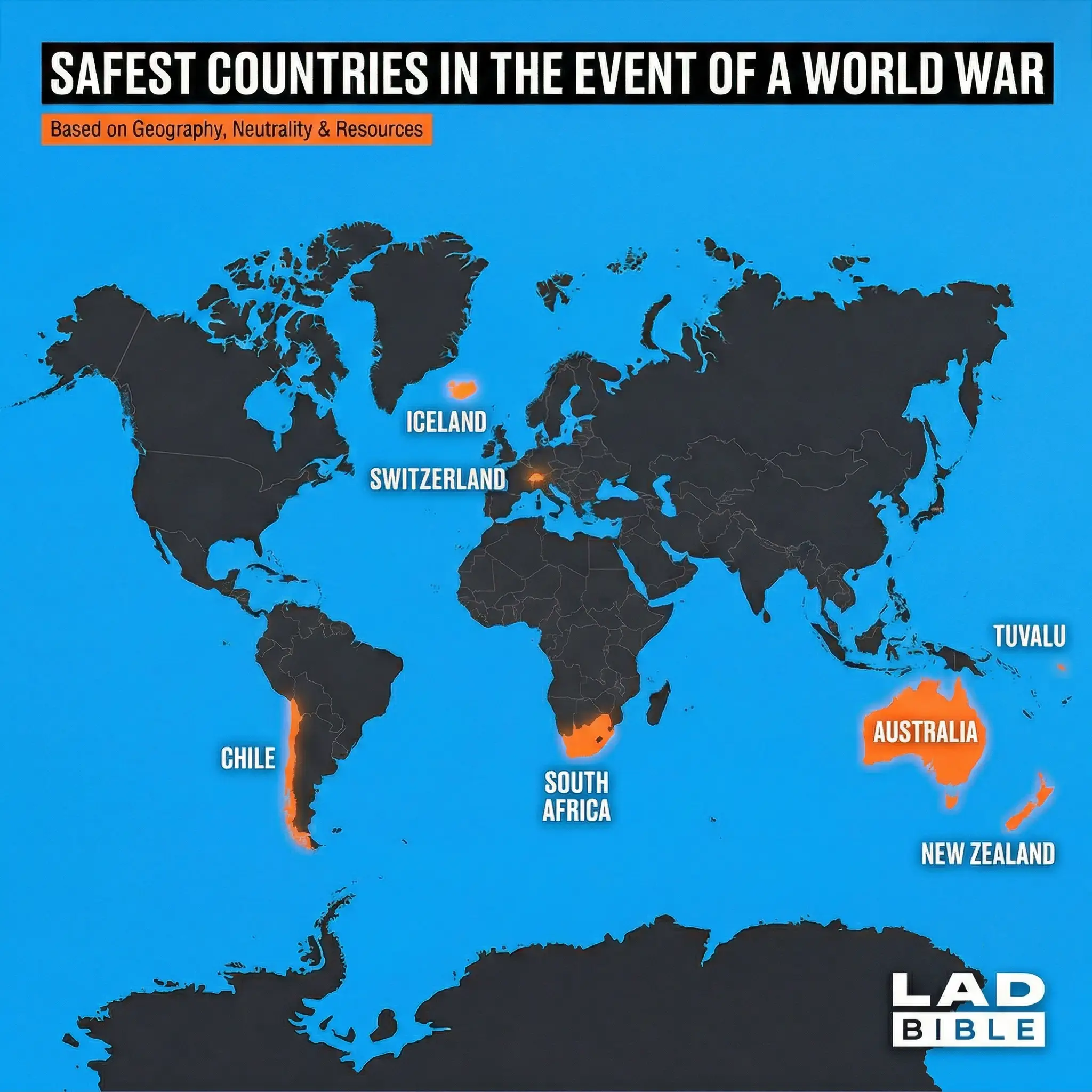
Other countries considered safer in the event of a catastrophic global conflict include the likes of:
- Iceland
- Switzerland
- Tuvalu
- South Africa
- Chile
Basically, you want somewhere out of the way of the countries that do have nuclear weapons, but it comes back to the point that you'll need somewhere that can still sustain agriculture for afterwards, otherwise all the survivors will starve.
Topics: World News, Australia
 Joe Harker