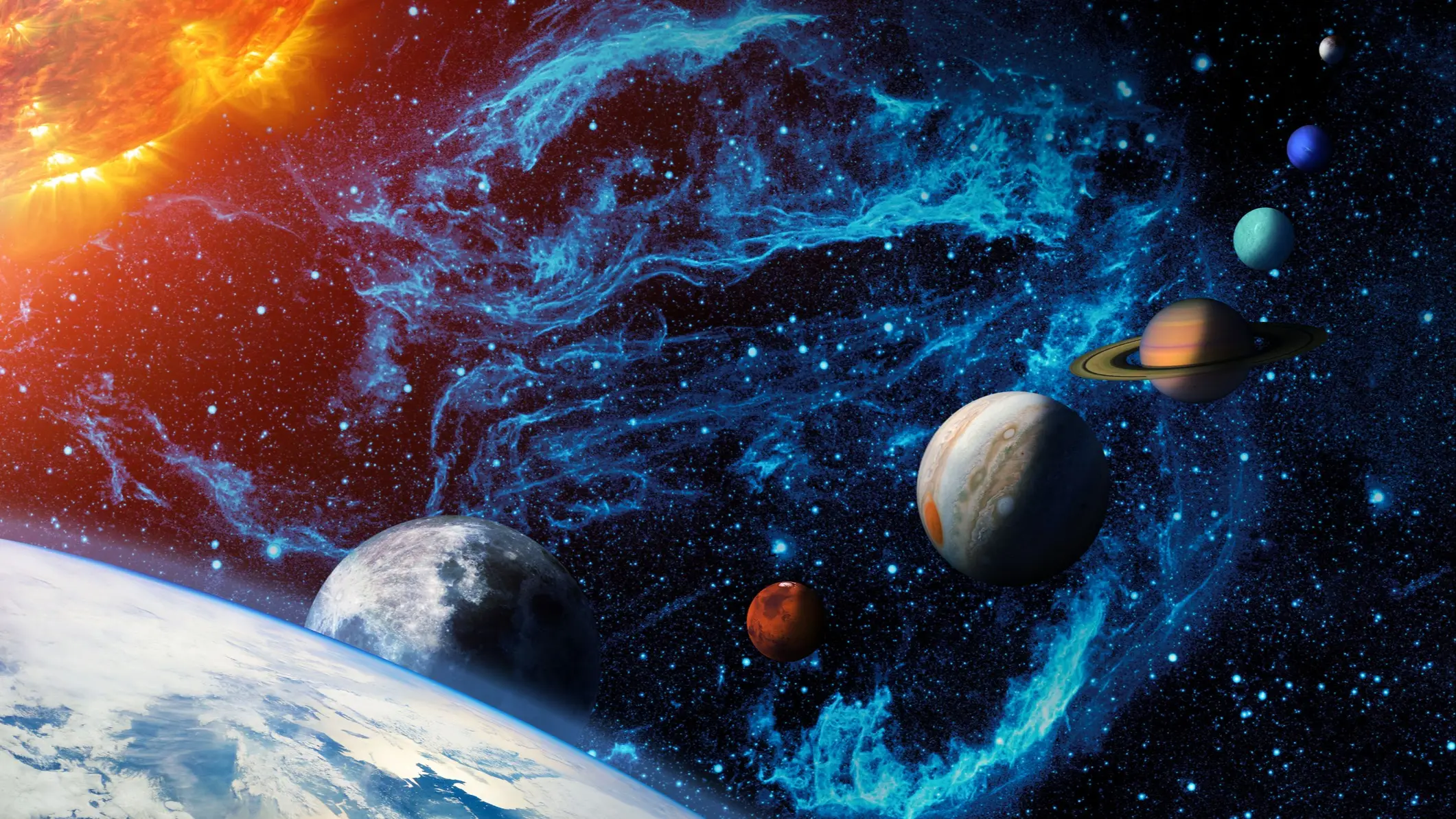
Incredible planetary parade will be seen soon with six planets visible

Having had that incredible supermoon to kick off the year, it seems like 2026 isn’t disappointing in terms of things to have a gander at in the sky.
We closed out last year with the impressive Geminid meteor shower and this year we’ll have more showers, a ‘blue moon’ and one of the best solar eclipses in the UK in decades.
But first up, we’ve got a planetary parade to look forward to soon, with six planets set to be visible.
You’ll have to put in a bit of work in order to actually be able to see all of them, but they will be appearing across the sky.
Advert
A planet parade is basically the nickname given when the planets in our solar system appear to line up in a roughly straight line from the Earth’s perspective.
Just after sunset on 28 February, six of the planets will be lined up like this.
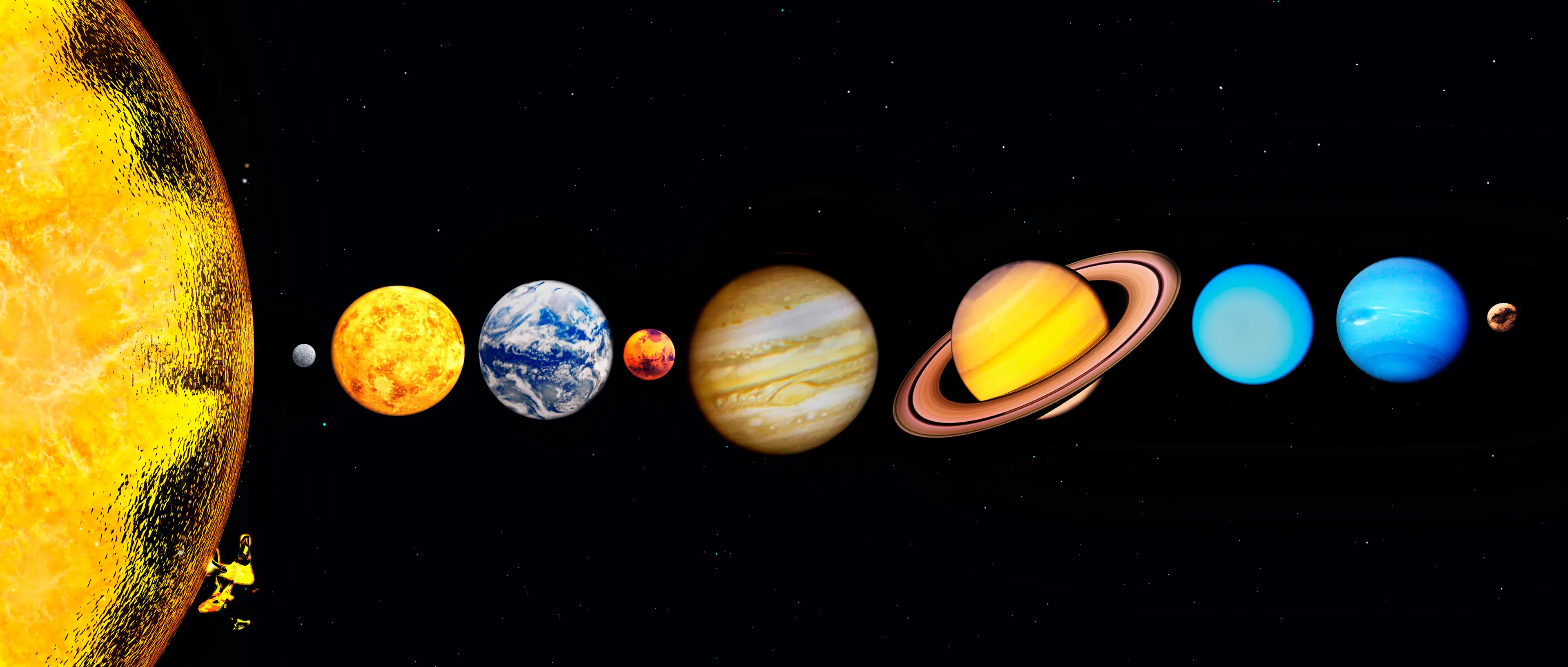
Royal Museums Greenwich (the real pros on this kind of thing) explain: “On this occasion, Mercury, Venus, Saturn, Jupiter, Uranus and Neptune will all technically be visible, but it’s definitely a challenge to see all six.”
And emphasis on the challenge – you won’t just be able to poke your head out the window and instantly get a glimpse of the planets.
Mercury, Venus, Saturn and Neptune will apparently be visible in the west pretty close to the horizon not long after the Sun sets so sunlight and anything else in your skyline will be obstacles. Plus, Neptune always requires a telescope to be able to see.
Plus, the experts add: “Uranus is higher in the sky in the constellation of Taurus and will set around midnight, so you’ve got a better chance of finding the planet if you have a telescope.
Jupiter however will be the easiest of the six planets to pick out.
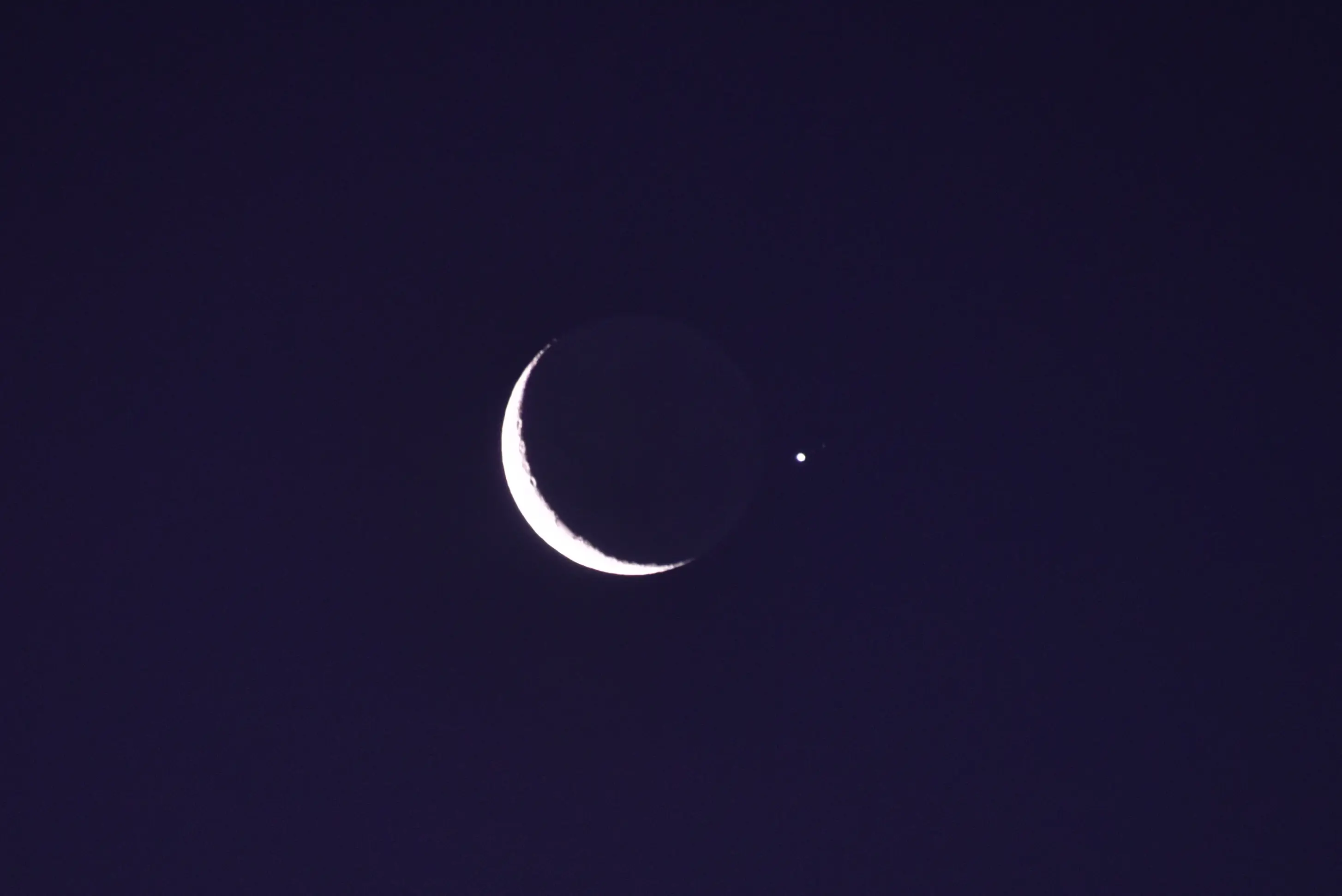
The planet is set to be high in the sky for the majority of the night in the constellation of Gemini.
It should even be visible to the naked eye from a light-polluted area and will basically be a very bright point of light.
Probably more exciting than this planet parade, is the almost total solar eclipse the UK is set for on 12 August this year.
Billed to be the best solar eclipse seen here since 1999, we should see the Moon touch the edge of the disc of the Sun in the early evening, with 90 percent of the Sun set to be covered at the maximum.
 Jess Battison