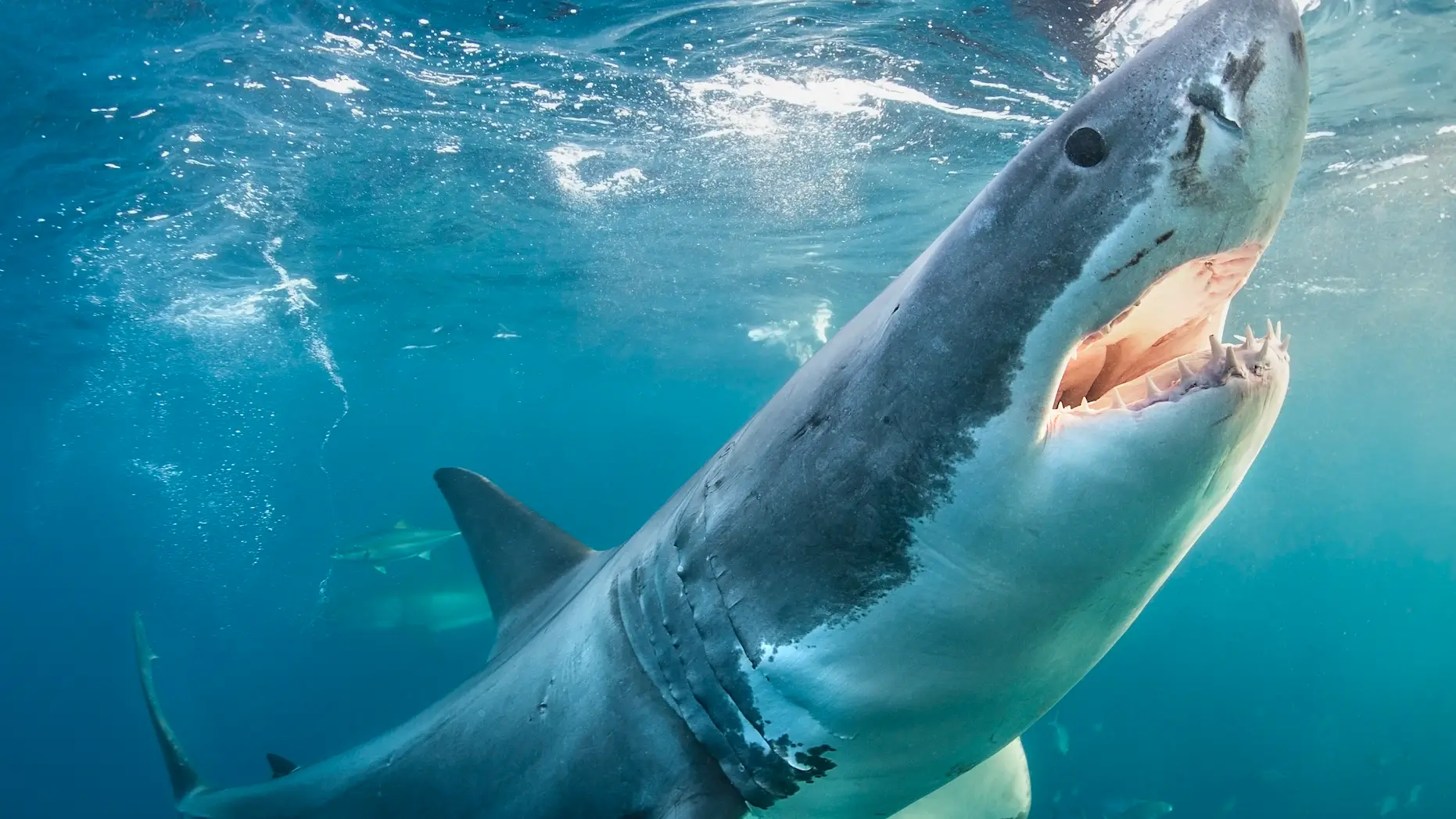
Scientists issue grave warning as quantities of cocaine found in Great White Sharks

Experts have delved into the growing worries of illicit drugs contaminating marine life, with a new study into drugs being found in the sea by the Bahamas.
The likes of Pharmaceuticals and illicit drugs are starting to be largely recognised as contaminants of emerging concern (CECs) in marine environments, according to a new 2026 study which will be published in the Environmental Pollution journal.
Scientists note that specifically in areas which are experiencing rapid urbanisation and tourism-driven development, such as parts of the Caribbean.
They note in the abstract: "Potential exposure to such contaminants, however, remains largely unexplored in The Bahamas."
Advert
It was noted that 'pharmaceuticals and personal care products (PPCPs)' have been discovered more in aquatic environments, entering these ecosystems 'through wastewater effluents, agricultural runoff, and urban discharges'.
These compounts are considered bioactive and could affect non-target organisms, which could be detrimental to the environment in the long run.
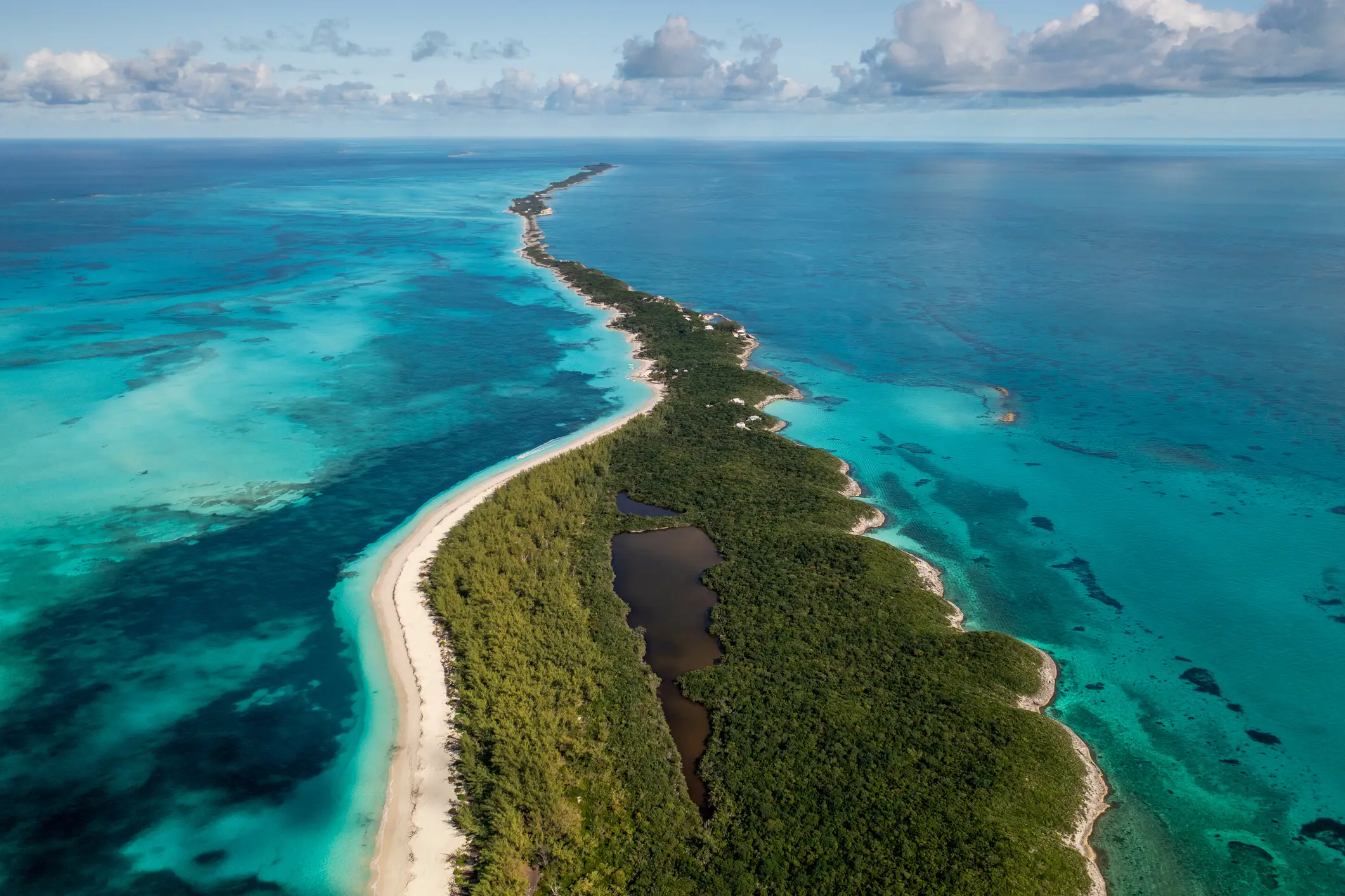
Great White Sharks have been found to contain traces of cocaine by the Bahamas, among four other species which were captured 'using longlines in coastal areas of Eleuthera Island'.
This included Atlantic Nurse sharks (Ginglymostoma cirratum), Blacktip sharks (Carcharhinus limbatus), Caribbean Reef sharks (Carcharhinus perezi), and Tiger sharks (Galeocerdo cuvier).
In addition, Juvenile Lemon sharks and Atlantic Nurse sharks were captured using seine nets.
Of the 85 analysed sharks, it was found that 28 of them had 'exhibited detectable levels of four CECs: acetaminophen, diclofenac, cocaine, and caffeine'.
Other compounds found were below the Limit of Detection (LOD), which is the lwoest quantity a substance can be reliably distinguished from a blank sample.
In mathematical terms, this is often known as 3.3 times the standard deviation of the blank or noise.
The detections were found in three species, Atlantic Nurse sharks (Ginglymostoma cirratum), Caribbean Reef sharks (Carcharhinus perezi) and juvenile Lemon sharks (Negaprion brevirostris).
In Caribbean Reef sharks, diclofenac was detected in seven individuals, acetaminophen in two, and cocaine in one.
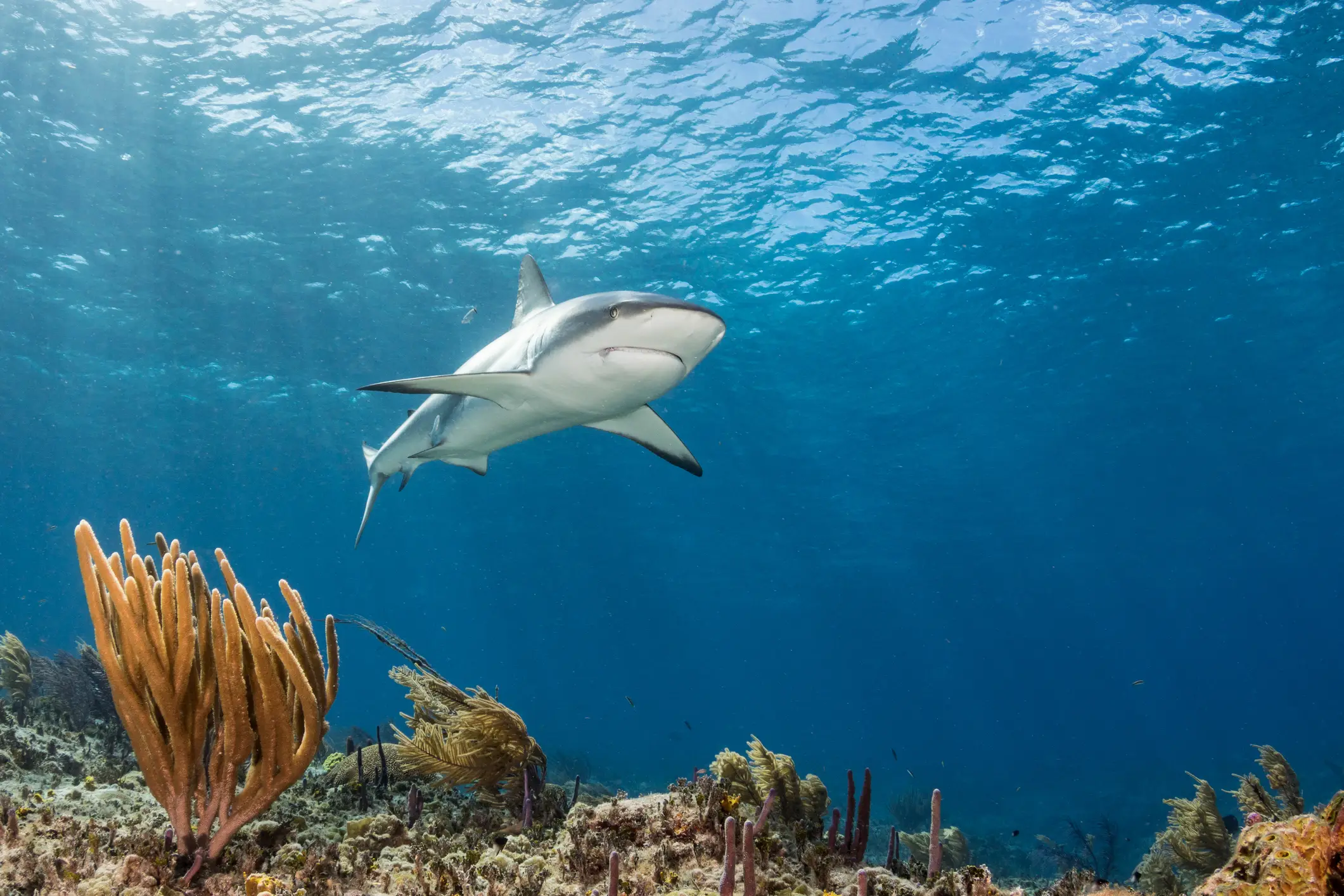
The authors explained: "To the best of our knowledge, this is the first report of caffeine and acetaminophen detected in any shark species worldwide, and the first report of diclofenac and cocaine in sharks from The Bahamas, an environment commonly described as pristine."
They noted that several shark species inhabit the 'same shallow, coastal zones, potentially increasing their exposure to these compounds'.
"Understanding how these contaminants affect shark physiology and long-term population health becomes paramount, not only to safeguard a key ecological component of coastal ecosystems, but also to preserve the social and economic benefits they provide," they explained.
It is added that exotoxicological research about CECs did not really exist prior to the study.
The authors went om: "In The Bahamas, the presence of these animals also carries significant cultural and economic importance, particularly through the tourism sector."
Topics: Drugs, Environment, Animals, Sharks
 Joshua Nair